


Exploring the efficacy, chemistry, conservation and formulation of plant medicine, herbal research worldwide is advancing evidence-based phytochemical therapeutics for global health challenges.
Pharmacognosy, ethnopharmacology, phytochemistry and phytotherapeutics are all research fields that focus on the use of plants as medicines or to produce medicines. This is a category that generates interest from a wide range of researchers, due to the unique position of herbs on the boundary of food and medicine, as well as their complex chemistry.
Types of herbal research
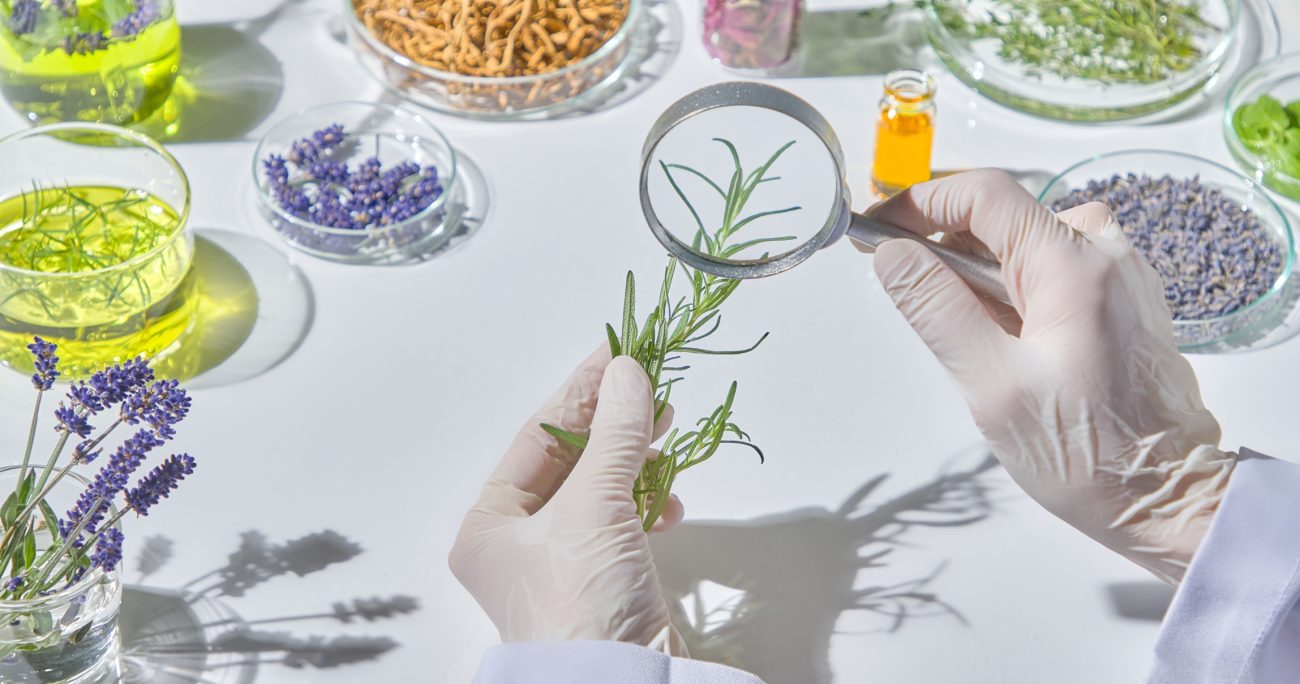
Research into medicinal plants can be broadly split into two approaches. The first focuses on traditional and ethnobotanical uses of plants, which includes studies looking at plant use in specific geographical areas. The second covers use of plants in drug discovery, mechanistic in vivo and in vitro studies, and clinical studies assessing the effectiveness of herbal medicines (1).
Common themes for herbal research over the last ten years include:
- The benefits of herbs to treat obesity, cancer, cardiovascular disease and infectious diseases
- Conservation and sustainability
- The interplay between the gut microbiome and phytochemicals
- Polyphenols and cardiovascular or cognitive health
- The use of formulations such as nanotechnology to improve bioavailability and efficacy
Where is herbal research being carried out?
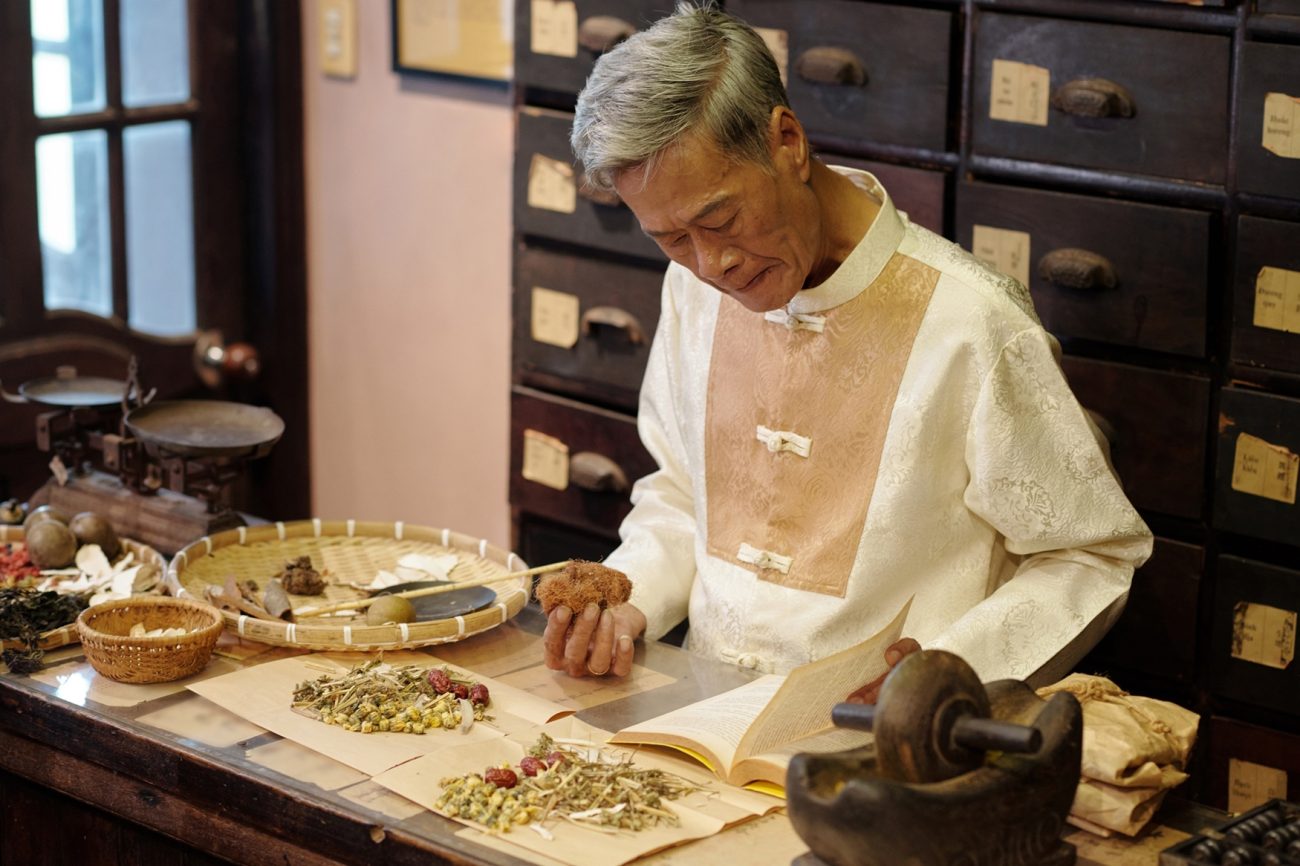
While the use of plants for health is truly global, the majority of research into medicinal plants is carried out in China and India, followed by Iran, Brazil, USA, South Korea, and Pakistan (1,2).
Government funding, as well as the acceptance of Traditional Chinese Medicine (TCM) within the Chinese healthcare system has contributed to the large amount of herbal research produced there. India has also emerged as a global leader, since the launch of The World Health Organization (WHO) Global Traditional Medicine Centre there in 2022. Supported by the Government of India, this has the aim of advancing herbal research and enabling the ability of member states to conduct research that can address evidence gaps in the safety and efficacy of traditional medicine.
The WHO’s 10-year global traditional medicine strategy was published at the end of October 2025. One of its key aims is to “integrate safe and evidence-based traditional and complementary medicine services within national and local health systems as appropriate, particularly at the level of primary health care” (3). Its first strategic objective is to strengthen the evidence base for traditional, complementary and integrative medicine (TCIM) through innovative research and digital tools, while encouraging collaboration between scientists and traditional practitioners. The location of the research centre in India is likely to consolidate India as one of the main countries contributing to herbal research globally.
What disease areas are popularly researched?

Non-communicable diseases, such as obesity, diabetes, cancer, chronic respiratory disease and cardiovascular disease are responsible for the vast majority of deaths globally and are due to a combination of genetic, environmental and behavioural factors (4). Due to the magnitude of the problem, they are a big focus for research in all areas, and this is no different for herbal research. In cardiovascular research, China is again a key contributor (5).
TCM has been found to effectively reduce hypertension and blood lipid levels, improve outcomes in patients with type 2 diabetes, and relieve angina or reduce cardiovascular events (6).
The COVID-19 pandemic was a stimulus for research into the antiviral properties of herbs, as people focused on improving their immunity and looked into the possibility of herbal remedies for a viral disease with no known treatment. There is no treatment or vaccine for most viruses, and this need has provided an opening for herbal remedies.
A review of trends in global antiviral herbal research identified some key TCM herbs to treat COVID-19. These included liquorice (Glycyrrhiza glabra), Japanese honeysuckle (Lonicera japonica), baikal skullcap (Scutellaria baicalensis), ma huang (Ephedra sinica), weeping forsythia (Forsythia suspensa), Korean mint (Agastache rugosa), astragalus (Astragalus membranaceus), and poria (Poria cocos) (7).
Other areas of interest identified in this review include herbs for hepatitis B and C, respiratory syncytial virus, HIV, herpes simplex virus and influenza, those that support the immune system and the mechanisms of action of specific phytochemicals such as quercetin, andrographolide, luteolin, artemisinin and kaempferol. Nanoparticle formulations and essential oils also show promise, as well as technologies such as network pharmacology and molecular docking studies to virtually screen active ingredients (7).
Research techniques
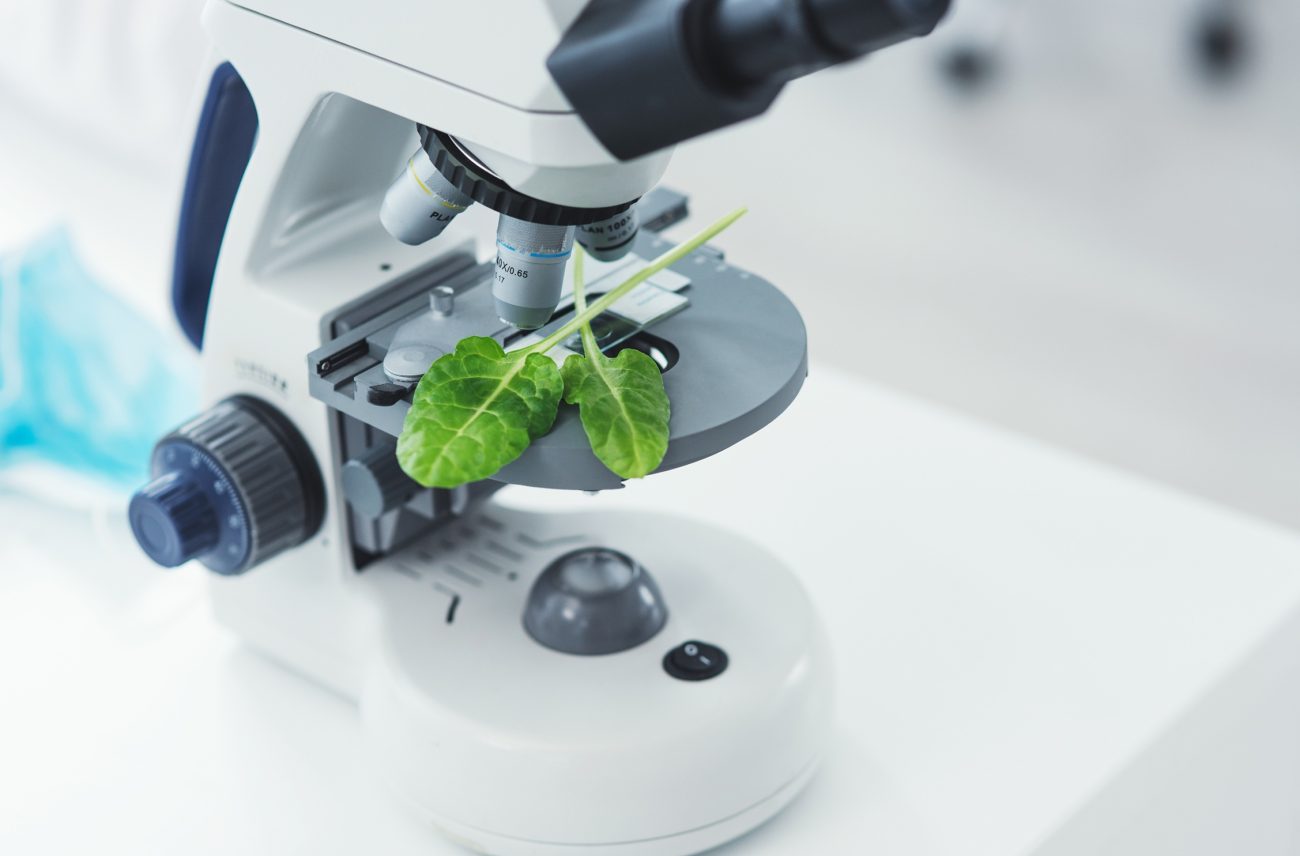
Metabolomics is a branch of research that analyses the complete range of metabolites in a biological system. The chemical complexity of plants means that this type of research is useful when analysing both plants and their impact on the body. Chemical analytical techniques are used to produce a unique “fingerprint” of all the metabolites in a sample. Raman and infrared spectroscopy, and liquid chromatography-mass spectrometry have been used for years, but newer technologies, such as mass spectrometry imaging and ambient ionisation techniques are rapidly increasing the ways to analyse samples.
The newer techniques allow measurement and determination of the chemicals present in dried herbs or herbal capsules containing multiple different plants without the need to extract the chemicals first (8). This means that samples can be tested for adulteration and likely effectiveness rapidly and throughout the supply chain. Metabolomics can be used to assess adulteration and contamination in quality control, as well as investigating the mechanism of action and to identify biomarkers of efficacy.
Screening herbal samples, extracts and mixtures of herbs enables the identification of all the compounds present. This can then be combined with computational analysis to match the chemical structures of compounds in a herb with proteins that they are likely to bind to. The biological processes that mix of compounds is likely to impact on can be determined and the pharmacology of a herb can be predicted. This field of research is known as network pharmacology and is increasingly being used to identify or justify specific uses of herbs or herbal formulations.
Network pharmacology integrates large datasets of information from phytochemistry analysis and biological assays to predict how a herb or mixture of herbs might work in the body by connecting up the network of active constituents from the herb with potential targets in the body (9,10). The field of research developed in the early 2000s from a desire to explain how complex formulae in Chinese medicine could be having an effect in the body (9). This approach reflects a paradigm shift from viewing drugs as single-target molecules to recognising the synergistic complexity of herbal formulations.
Another innovation has been the use of nanoparticle formulations to improve bioavailability and stability, while reducing toxicity (11). Nanoparticles were first discovered as a natural occurrence during the preparation of herbal products, such as decoctions. The natural formation of vesicles and particles when plants are traditionally prepared is thought to contribute to the synergy effect seen when a whole plant extract is more effective than the main bioactive phytochemical extracted from a plant (12). Artificial nanoparticle technology is now being used to improve the efficacy of single phytochemicals that are known to have targeted efficacy in vitro, but which aren’t very bioavailable — for example, curcuminoids from turmeric root.
Climate change and sustainability
The dual pressures of climate change and increasing popularity of certain herbal medicines, has led to difficulties in sourcing some herbs, with increasing numbers being added to at-risk lists (13). A changing climate, and subsequent environmental conditions, alters the levels of active compounds in the plants (14). In response, organisations such as the American Botanical Council (ABC) have launched initiatives to share information about sustainability challenges and promote responsible sourcing.
Funding and research priorities

A key barrier to herbal research, as with many types of research, is money. Who funds research and why helps to define the field. This is why most clinical trials are carried out on standardised and trademarked extracts of herbal preparations produced by supplement companies and manufacturers. This has been particularly true for turmeric (Curcuma longa) and ashwagandha (Withania somnifera).
An interesting development this year has been the launch of a trademarked extract of shatavari (Asparagus racemosus) by Ixoreal, the company behind the ashwagandha extract KSM-66. Despite centuries of use in Ayurvedic medicine for women’s health, shatavari has been relatively under-researched to date. The BioActivEx research group at University of Exeter has addressed this gap with a series of clinical studies funded initially by Pukka Herbs, showing benefits for muscle strength in older women (15,16,17). Additional studies have been published on the use of shatavari for perimenpausal symptoms, alone (18,19) and in combination with ashwagandha (20), as well as for the traditional use to support breastfeeding (21).
The gut microbiome
In line with the general increasing awareness of the importance of the gut microbiome, there has also been a flurry of new herbal research into the interplay between the gut microbiota and phytochemicals. How herbs affect the microbiome and how the microbiome affects the metabolism and bioavailability of herbs are both topics that have received attention.
While 60% of the variation in drug metabolism between individuals is due to genetics, there is a significant contribution from the gut microbes. Bacteria in the gut play a part in how plant chemicals are broken down and absorbed into the body. This will consequently have an impact on the efficacy and the toxicity of a herb (22). The presence or absence of specific microbes in the gut is likely to contribute to why herbs are more effective for some people than others.
Plant chemicals such as polyphenols are well documented to impact the gut microbiome. Some phytochemicals have a prebiotic effect, promoting the growth and survival of beneficial microbes, while others may have an antibacterial effect on less desirable species (23).
Conclusion
Herbal medicines have the potential to contribute to some of the key challenges to improving health. It will take more coordinated efforts globally to ensure that the herbal research is meaningful and can impact as many people as possible.
References
- Salmerón-Manzano E, Garrido-Cardenas JA, Manzano-Agugliaro F. Worldwide Research Trends on Medicinal Plants. Int J Environ Res Public Health. 2020;17(10):3376. Published 2020 May 12. https://doi.org/10.3390/ijerph17103376
- El Allaoui H, El Ahmadi K, El Abdouni A, Dira I, El Bastrioui M, Bouhrim M, Eto B, Shahat AA, Herqash RN, Haboubi K. Trends and Insights in Medicinal Plant Extract Research: A Ten-Year Bibliometric and Visualization Study. Horticulturae. 2024; 10(11):1163. https://doi.org/10.3390/horticulturae10111163
- WHO. Global Traditional Medicine Strategy 2025-2034. 2025. https://iris.who.int/server/api/core/bitstreams/cf37a4ad-4d27-4244-a7ee-001de39841ee/content
- WHO. Noncommunicable diseases. Fact sheet. 2025b. https://www.who.int/news-room/fact-sheets/detail/noncommunicable-diseases
- Chen Y, Li WW, Bi SL, et al. Visualizing research trends and identifying hotspots of herbal components for treating cardiovascular diseases: A bibliometric analysis from 2000 to 2023. Medicine (Baltimore). 2024;103(6):e35047. https://doi.org/10.1097/MD.0000000000035047
- Hao P, Jiang F, Cheng J, Ma L, Zhang Y, Zhao Y. Traditional Chinese Medicine for Cardiovascular Disease: Evidence and Potential Mechanisms. J Am Coll Cardiol. 2017;69(24):2952-2966. https://doi.org/10.1016/j.jacc.2017.04.041
- Hu L, Wang C, Zhang Y. Hotspots and trends in global antiviral herbal basic research: A visualization analysis. Eur J Integrative Med 2024. 102419.
- Alum EU, Manjula VS, Uti DE, et al. Metabolomics-Driven Standardization of Herbal Medicine: Advances, Applications, and Sustainability Considerations. Natural Product Communications. 2025;20(8). https://doi.org/10.1177/1934578X251367650
- Yuan Z, Pan Y, Leng T, et al. Progress and Prospects of Research Ideas and Methods in the Network Pharmacology of Traditional Chinese Medicine. J Pharm Pharm Sci. 2022;25:218-226. doi:10.18433/jpps32911
- Zhao L, Zhang H, Li N, et al. Network pharmacology, a promising approach to reveal the pharmacology mechanism of Chinese medicine formula. J Ethnopharmacol. 2023;309:116306. doi:10.1016/j.jep.2023.116306
- Ai S, Li Y, Zheng H, et al. Collision of herbal medicine and nanotechnology: a bibliometric analysis of herbal nanoparticles from 2004 to 2023. J Nanobiotechnol 2024 22:140. https://doi.org/10.1186/s12951-024-02426-
- Li J, Zhang YL, Jin T, et al. Advanced Pharmaceutical Nanotechnologies Applied for Chinese Herbal Medicines. Adv Sci (Weinh). 2025;12(31):e00167. doi:10.1002/advs.202500167
- Mykhailenko O, Jalil B, McGaw LJ, Echeverría J, Takubessi M, Heinrich M. Climate change and the sustainable use of medicinal plants: a call for “new” research strategies. Front Pharmacol. 2025;15:1496792. Published 2025 Feb 3. doi:10.3389/fphar.2024.1496792
- Alum EU. Climate change and its impact on the bioactive compound profile of medicinal plants: implications for global health. Plant Signal Behav. 2024;19(1):2419683. doi:10.1080/15592324.2024.2419683
- Greed E, Pritchard J, Struszczak L, et al. Shatavari supplementation during eight weeks of resistance training increases training load, enhances skeletal muscle contractility and alters the skeletal muscle proteome in older women. Front Nutr. 2025;11:1498674. Published 2025 Jan 6. doi:10.3389/fnut.2024.1498674
- O’Leary MF, Jackman SR, Sabou VR, et al. Shatavari Supplementation in Postmenopausal Women Improves Handgrip Strength and Increases Vastus lateralis Myosin Regulatory Light Chain Phosphorylation but Does Not Alter Markers of Bone Turnover. Nutrients. 2021;13(12):4282. Published 2021 Nov 27. doi:10.3390/nu13124282
- O’Leary MF, Jackman SR, Bowtell JL. Shatavari supplementation in postmenopausal women alters the skeletal muscle proteome and pathways involved in training adaptation. Eur J Nutr. 2024;63(3):869-879. doi:10.1007/s00394-023-03310-w
- Gudise VS, Dasari MP, Kuricheti SSK. Efficacy and Safety of Shatavari Root Extract for the Management of Menopausal Symptoms: A Double-Blind, Multicenter, Randomized Controlled Trial. Cureus. 2024;16(4):e57879. Published 2024 Apr 8. doi:10.7759/cureus.57879
- Yadav P, Yadav S, Vedururu SS, Kumari G. A Standardized Asparagus Racemosus Root Extract Improves Hormonal Balance and Menstrual Health and Reduces Vasomotor Symptoms in Perimenopausal Women: A Randomized, Double-Blind, Placebo-Controlled Study. J Am Nutr Assoc. 2025;44(8):754-764. doi:10.1080/27697061.2025.2510474
- Pingali U, Nutalapati C, Wang Y. Ashwagandha and Shatavari Extracts Dose-Dependently Reduce Menopause Symptoms, Vascular Dysfunction, and Bone Resorption in Postmenopausal Women: A Randomized, Double-Blind, Placebo-Controlled Study. J Menopausal Med. 2025;31(1):21-34. doi:10.6118/jmm.24025
- Ajgaonkar A, Debnath T, Bhatnagar S, Debnath K, Langade J. Shatavari (Asparagus racemosus Willd) root extract for postpartum lactation: A randomised, double-blind, placebo-controlled study. J Obstet Gynaecol. 2025;45(1):2564168. doi:10.1080/01443615.2025.2564168
- Lim DW, Wang JH. Gut Microbiome: The Interplay of an “Invisible Organ” with Herbal Medicine and Its Derived Compounds in Chronic Metabolic Disorders. Int J Environ Res Public Health. 2022;19(20):13076. Published 2022 Oct 11. doi:10.3390/ijerph192013076
- Guan Y, Tang G, Li L, et al. Herbal medicine and gut microbiota: exploring untapped therapeutic potential in neurodegenerative disease management. Arch Pharm Res. 2024;47(2):146-164. doi:10.1007/s12272-023-01484-9