


Last reviewed 10/03/2025
Sustainability status
Not currently on risk lists but complete data may be missing on the status of the species. Read more in our sustainability guide.

Contraindications
A contraindication refers to a situation in which a herb should be avoided as it may exacerbate a medical condition or pose undue risk. Contraindications may arise through pharmacodynamic mechanisms (e.g., liquorice in uncontrolled hypertension or uterine stimulants during pregnancy) or pharmacokinetic effects that alter metabolism, absorption or elimination (e.g., tannin-rich herbs in iron-deficient anaemia).
In some cases, herbal actions may aggravate underlying pathologies (e.g., the use of bitter herbs in GERD). Recognition of contraindications requires thorough assessment of patient history, co-morbidities and medications. Consultation with a qualified medical herbalist will provide guidance to ensure safe and appropriate prescribing.
Please read the Contraindications section in this monograph.

-
Herb overview
Safety
P. biflorum and P. multiflorum are safe, though berries may be emetic. P. odoratum and P. sibericum may interact with diabetes medications.
Sustainability
Use cultivated rhizome, or collect responsibly only where abundant.
Key constituents
Mucilage
Steroidal saponins
AllantoinQuality
Primarily grown in China
Now largely cultivated to protect wild populations
Risk of misidentification or substitutionKey actions
Demulcent
Anti-inflammatory
Nutritive
PrebioticKey indications
Dryness with inflammation
Atrophied connective tissue or mucosaKey energetics
Moist
Slightly coolPreperation and dosage
Rhizome
Tincture: 10–40 drops t.i.d.
Dried rhizome: 6 g or so a day
Infused oil, tincture, or fresh or dried rhizome
Topical and internal
-
How does it feel?
Sweet, chewy and substantive, it is unsurprising that it has long straddled the boundaries between medicine and food. Soloman’s seal is reminiscent of other nourishing roots like codonopsis (Codonopsis pilosula) and astragalus (Astragalus membranaceus). This is a juicy plant! The bright, slightly-earthy flavour can be calming, especially if for those with a constitution that tends towards a dry and atrophied state. Moistening and reduced inflammation in the GI and respiratory tracts are felt almost immediately as the roots soften in the mouth.

-
Into the heart of solomon’s seal

Solomon’s seal (Polygonatum spp.) The moistening, nourishing, and toning qualities of soloman’s seal are its essence. It’s the ideal herb for those who are systemically afflicted by dryness and deficiency, including those who run hot and have burned off their body’s protective layers; those who are constitutionally dry and windy; and those who are listing towards a dry state from menopause, COVID or chronic dehydration. Anytime you see pain in combination with dryness, consider Solomon’s seal as a first remedy.
Most contemporary accounts of the species of Solomon’s seal, which grow across wetter parts of Europe and North America, focus on its application in toning and repairing connective tissue, particularly joints, tendons and ligaments. Stories are told about its efficacy in supporting recovery from traumatic injuries, as well as relief from chronic alignment issues (such as herniated discs) or repetitive stress injuries.
It seems Solomon’s seal has a nourishing effect on tendons and ligaments, moistening dry and atrophied fibres and allowing them to hold proper tension, which is helpful whether they’re too tight or too lax, and the moistening effects extend to the joints, benefiting those with arthritic conditions which have depleted the synovial fluids. Solomon’s seal has also been long attested for bruising of all kinds.
Beyond joints, connective tissue and bones, the moistening, tonifying, anti-inflammatory actions of Solomon’s seal can be applied to other systems of the body, including the respiratory tract and lungs; the GI tract; uterus and testes; and the venous system. Solomon’s seal has long been used for inflammation in the intestines, and it can be of benefit in any GI condition where dryness and atrophy are part of the picture.
Like other moistening herbs, it is beneficial for dryness and sticky mucus anywhere in the respiratory tract (though it’s not much of an expectorant on its own). It is also specifically indicated for uterine or anal prolapse. As a tonic, Soloman’s seal is also helpful for infertility where debility factors into the equation.
-
What practitioners say
 Musculoskeletal system
Contemporary Western herbalists laud P. biflorum and P. multiflorum as an unparalleled support for repairing damaged connective tissue, bones and joints. The root is recommended for both acute injuries and slow, chronic wear, including osteoarthritis and repetitive stress injuries. Solomon’s seal is considered highly moistening, and this action is hypothesised to stimulate production of synovial fluid in joints(5) and increase pliability of tendons and ligaments (5,6). A specific indication is inflammation associated with dryness, and especially if there’s ever a sense of friction in the joint, such as a grinding sensation or an audible crunch when moving (7,8).
Practitioners have observed is that Solomon seal’s penchant for supporting tendons and ligaments regardless of whether they are too tight or too loose. This may be helpful for hypermobility conditions, as well as for those who suffer from pain related to lack of flexibility.
For injuries, herbalist Jim McDonald puts it well: “Topical and internal use delivers ‘marked and even drastic recoveries’ from injuries… the most useful remedy I know of for treating injuries to the musculoskeletal system… broken bones, sprains, injured tendons and ligaments, tendonitis, arthritis, dryness in joints and “slipped”/herniated discs.”(7)
Solomon’s seal combines well with gotu kola (Centella asiatica), which offers complementary support for connective tissue, as well as prickly ash bark (Zanthoxylum spp.), and cayenne (Capsicum spp.) to increase bioavailability; with St John’s wort (Hypericum perforatum) when there’s pain related to nerve impingement, as with sciatica or carpel tunnel syndrome; with horsetail (Equisetum arvensis) when bones or cartilage are healing; with mullein root (Verbascum spp.) for low back issues; or generally with anti-inflammatory herbs like arnica (Arnica montana), willow (Salix alba) or black birch (Betula lenta) for a variety of injuries (7,9).
As a support for joint function, any type of arthritis may call for use of Solomon’s seal. Jill Stansbury specifically recommends it for pain relief for joints that get stiff after sitting (10).
P. odoratum (yu zhu) is recommended for “pain and spasms in the sinews due to lack of Fluids”, as well as back pain. P. sibericum (huang jing) is indicated for kidney qi deficiency with back pain, lower body weakness and fatigue (11).
Urinary system
Solomon’s seal has numerous, disparate uses in supporting generative health, all related to addressing dryness and atrophy and supporting connective tissue. A common application is in cases of uterine, bladder or rectal prolapse, where Solomon’s seal can help restore tension in the ligaments that support these organs (12). Solomon’s seal is used in instances of testicular infertility, when atrophied tissues are a contributing factor (7).
Historical herbal texts recommend Solomon’s seal for leukorrhea or menorrhagia (3). It may be beneficial for ovarian support, and may strengthen the estrogenic side of the menstrual cycle (4). Generally, Solomon’s seal is moistening to mucus membranes, and thereby supportive in a range of conditions affecting both the urinary tract and vaginal mucosa (13).
Digestive system
There’s a rich history and contemporary use of Solomon’s seal in supporting digestive function. Fyfe recommends it for “irritable conditions of the intestines, especially when attended with burning sensations; congestion of the liver, spleen or intestines; inactive portal circulation; hemorrhoids” (3).
It is highly demulcent and rich in soluble fibre, a combination which is potentially helpful for various inflammatory bowel diseases, such as Crohn’s and ulcerative colitis (13). Polysaccharides in Solomon’s seal can be supportive of the gut microbiome (14). Solomon’s seal stimulates gallbladder contractions, helping increase bile secretion and digestion and absorption of fats (15). General moistening benefits may help with constipation and dry stools (12).
Yu zhu is used deficient yin patterns which present with constipation.(11)
 Respiratory system
As with many mucilaginous and saponin-containing plants, Solomon’s seal is helpful for dry, congested respiratory conditions, helping to soften and expectorate dry and sticky mucus (15,16).
Huang jing and yu zhu are used similarly for dry cough and dryness in the lungs and throat (11).
Cardiovascular system
As members of the Lily family, Solomon’s seal species contain some quantity of convallarin, a cardiac glycoside which affects heart muscle regulation. The amounts present in P. biflorum and P. multiflorum are insufficient to have a dangerous effect on heart rate or interact with cardiac medications. Some feel that Solomon’s seal may have a “balancing” effect on heart rhythm by promoting calm (12).
Jim McDonald suggests benefits for those taking statin drugs to manage cholesterol, who are experiencing sore and achy symptoms (8).
Immune system
Many conditions of immune system reactivity cause considerable pain from joint inflammation, most particularly rheumatoid arthritis and lupus. Solomon’s seal may be useful in alleviating pain and slowing long term damage from these conditions (8). It may also be helpful in addressing structural inflammation and pain caused by infectious diseases such as Lyme disease (17).
Integumentary system
Solomon’s seal is beneficial as an emollient connective-tissue tonic for a range of skin issues where moistening, softening and repair are required. These can include dry conditions with rash — such as eczema and psoriasis. Soloman’s seal may also be used to soften scar tissue (12,18).
Endocrine system
Huang jing is recommended for various wasting conditions including tuberculosis, AIDS, and diabetes, particularly marked by loss of appetite, extreme thirst and fatigue. It can help in management of blood sugar (11).
-
Solomon’s seal research

Solomon’s seal (Polygonatum spp.) Very little research exists on the medicinal properties or phytochemistry of P. biflorum or P. multiflorum, especially contrasted with species used in TCM.
Isolation and structural characterization of a novel β-fructan with potent α-amylase inhibitory activity from Polygonatum multiflorum
This study isolates and evaluates potential medicinal properties of PMP2, a polysaccharide extracted from P. multiflorum. Based on in vitro testing, researchers hypothesise this constituent may exhibit hypoglycemic and antioxidant properties, which could indicate or highlight uses of this species of Solomon’s seal for blood sugar management (19).
New furostanol glycosides from Polygonatum multiflorum (L.) All.
A chemical study identifying five types of diosgenin molecules in P. multiflorum (20). Diosgenin is a steroidal saponin present in wild yam (Dioscorea villosa) and fenugreek (Trigonella foenum-graecum), which appears to have benefits in menopause, diabetes, and various ailments of aging, including osteoporosis, cancer and cardiovascular diseases (21).
Tetrahydroxystilbene glucoside extends mouse life span via upregulating neural klotho and downregulating neural insulin or insulin-like growth factor 1
An animal study demonstrating effects of TSG (Tetrahydroxystilbene glucoside, a constituent of P. multiflorum) on a test group of mice. In the study, mice demonstrated increased lifespan, improved memory, and reduced changes in brain chemistry associated with aging (22).
Ameliorating effect of emodin, a constitute of Polygonatum multiflorum, on cycloheximide-induced impairment of memory consolidation in rats
Another animal study showing beneficial effects of emodin, a constituent in P. multiflorum, for counteracting induced memory impairment in a test group of rats (23). Emodin is an anthraquinone with hepatoprotective, anti-inflammatory, antibacterial and anticancer as well as likely antiviral effects (24).
Comparative analysis of biochemical attributes of genus polygonatum in Western Himalaya
An in vitro analysis of flavonoids, tannins, and other polyphenols in P. multiflorum alongside two other species. Researchers conclude that P. multiflorum is high in constituents demonstrating antioxidant potential (25).
C-galactosylflavones from Polygonatum multiflorum
Researchers isolate apigenin-like flavonoids from P. multiflorum.(26)
A review of Polygonatum Mill. Genus: Its taxonomy, chemical constituents, and pharmacological effect due to processing changes
A helpful metareview of chemical constituents identified in a range of Polygonatum species (27).
Review on the genus Polygonatum polysaccharides: Extraction, purification, structural characteristics and bioactivities
Another metareview focusing specifically on polysaccharide content of commonly used species of Polygonatum, which the authors consider to be one of the primary functional components of Solomon’s seal (28).
-
Historical use of Solomon’s seal
In Europe, use of Solomon’s seal is documented going back to at least 70 AD. Dioscorides writes it is “good when it is laid on for wounds, & it takes away
also ye spots which are in the face”(1). Later European texts describe Solomon’s seal poultice, plaster or infused wine in common use for broken bones, dislocated joints, bruising and inflammation, both for humans and livestock (2). Late 19th and early 20th century homeopathic and eclectic texts focus on more internal applications, as a mucus membrane tonic, for leukorrhoea and menorrhagia, as a GI anti-inflammatory and a venous tonic (3,4).
-
Solomon’s seal’s herbal actions
Herbal actions describe therapeutic changes that occur in the body in response to taking a herb. These actions are used to express how a herb physiologically influences cells, tissues, organs or systems. Clinical observations are traditionally what have defined these actions: an increase in urine output, diuretic; improved wound healing, vulnerary; or a reduction in fever, antipyretic. These descriptors too have become a means to group herbs by their effects on the body — herbs with a nervine action have become the nervines, herbs with a bitter action are the bitters. Recognising herbs as members of these groups provides a preliminary familiarity with their mechanisms from which to then develop an understanding of their affinities and nuance and discern their clinical significance.
-
Solomon’s seal’s energetic qualities
Herbal energetics are the descriptions Herbalists have given to plants, mushrooms, lichens, foods, and some minerals based on the direct experience of how they taste, feel, and work in the body. All traditional health systems use these principles to explain how the environment we live in and absorb, impacts our health. Find out more about traditional energetic actions in our article “An introduction to herbal energetics“.
Western energetics
Ayurvedic energetics
Chinese energetics
-
What can I use solomon’s seal for?
Solomon’s seal stands out as one of the best herbal tonics and anti-inflammatories for connective tissue, including joints, tendons, ligaments and bones. It has the potential to help in recovery from nearly any kind of injury, and particularly applicable for any kind of dry condition, such as creaking, worn out joints.
The moistening properties of Solomon’s seal make it a highly useful support for mucus membranes throughout the body, including as a GI tonic for dry, inflamed digestive conditions; a moistening respiratory expectorant and tonic; and a therapeutic for urinary and pelvic inflammation stemming from dryness and atrophy.
-
Did you know?
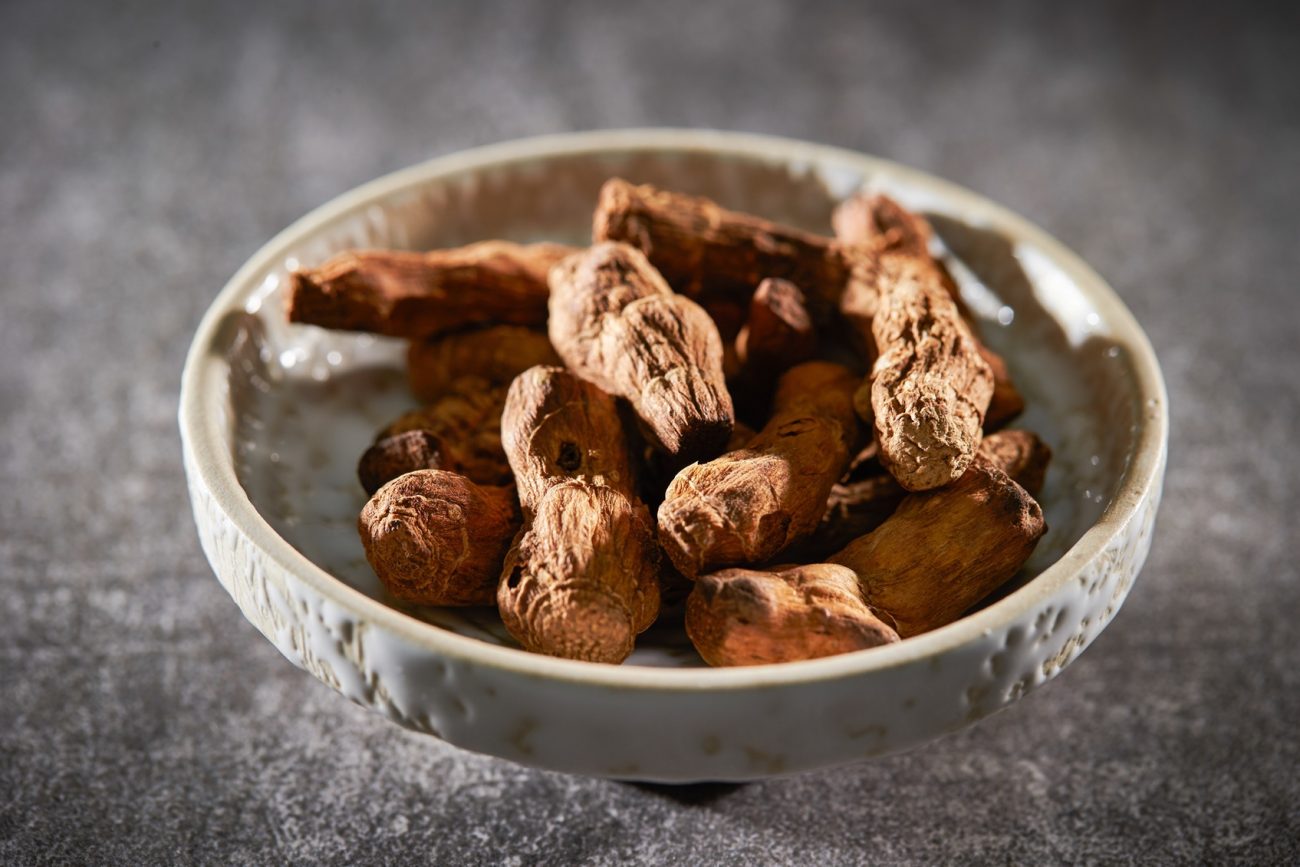
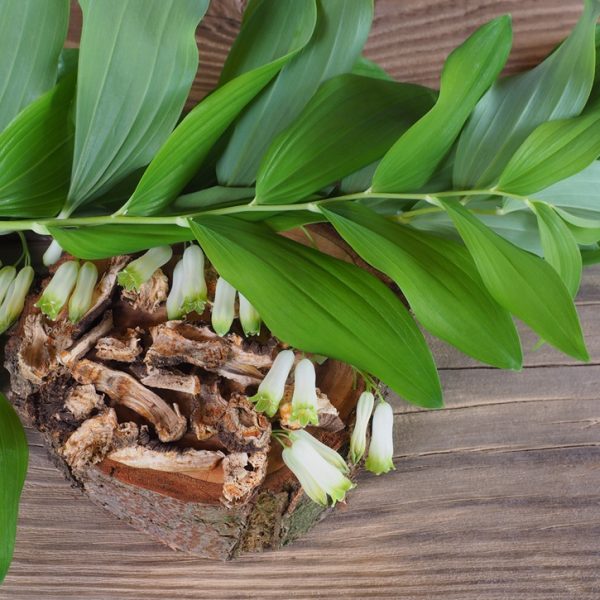
Solomon’s seal is named for the distinctive depressions in the rhizome’s knuckles, which are described as resembling a royal seal, or perhaps Hebrew lettering. The fabled King Solomon is said to have studied witchcraft and herbal medicine and “who knew the diversities of plants and the virtues of roots”; the appearance of a seal associated with his name may be indicative of the reverence with which Solomon’s seal is held for its health benefits (29). It has been suggested, though, that this etymology may be apocryphal, and that the name refers not to the “seals” on the rhizome, but the plant’s virtue in “sealing” wounds (2).
The taxonomical generic Polygonatum comes from Greek and means “many knees” (30).
When unearthing a Solomon’s seal rhizome, the age of the plant can be determined by counting the seals — the annual stem scars that appear along its length (31).






-
Botanical description
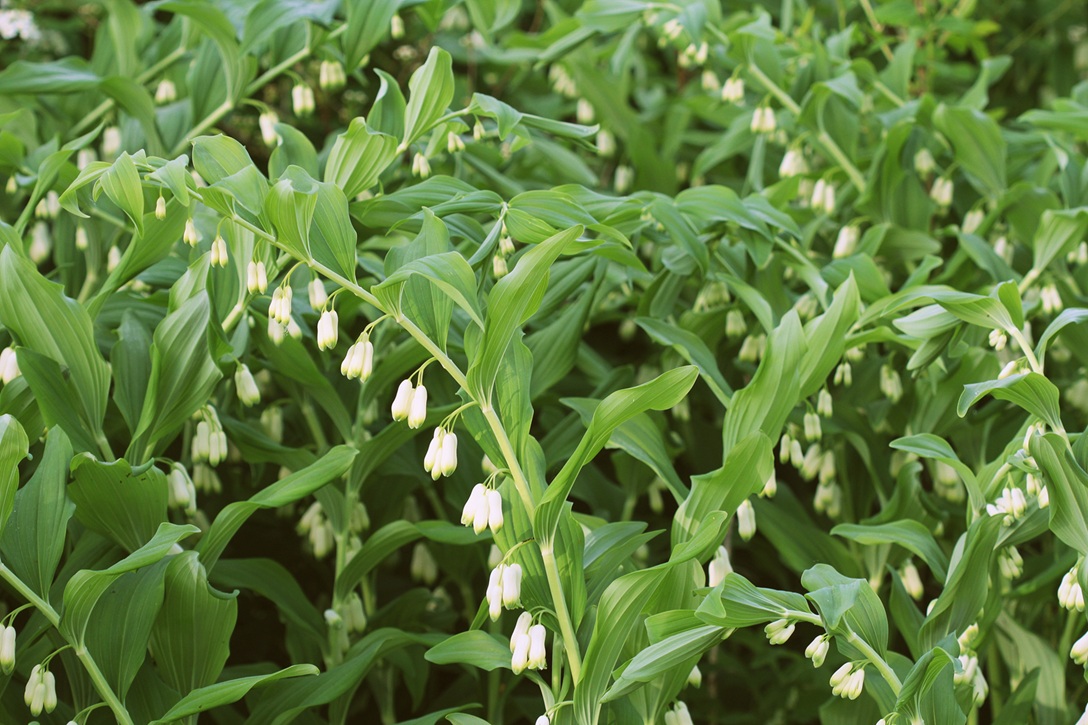
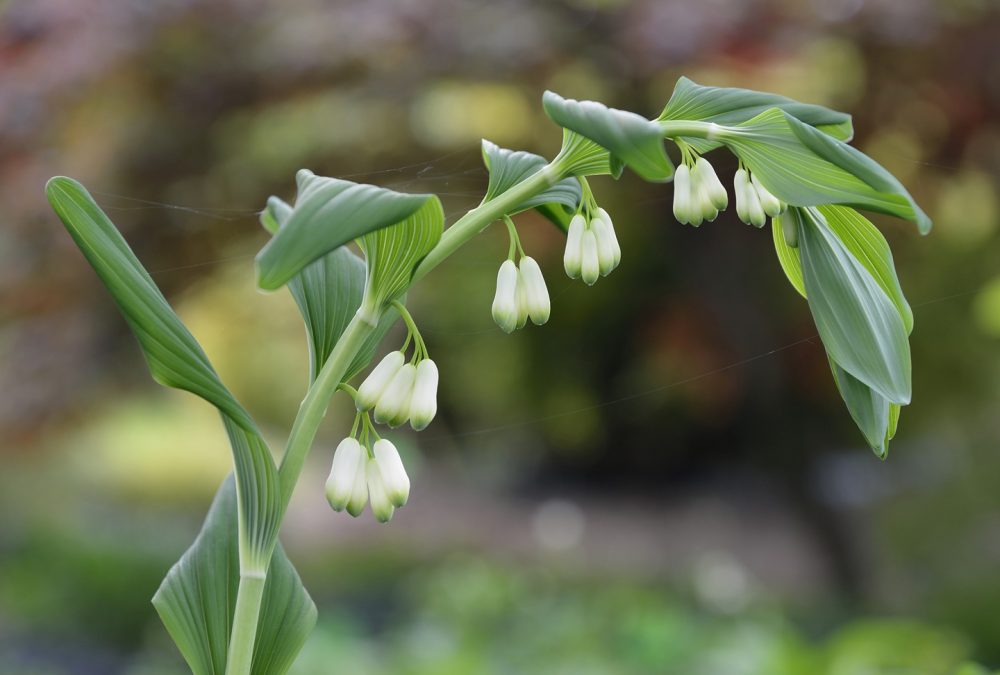
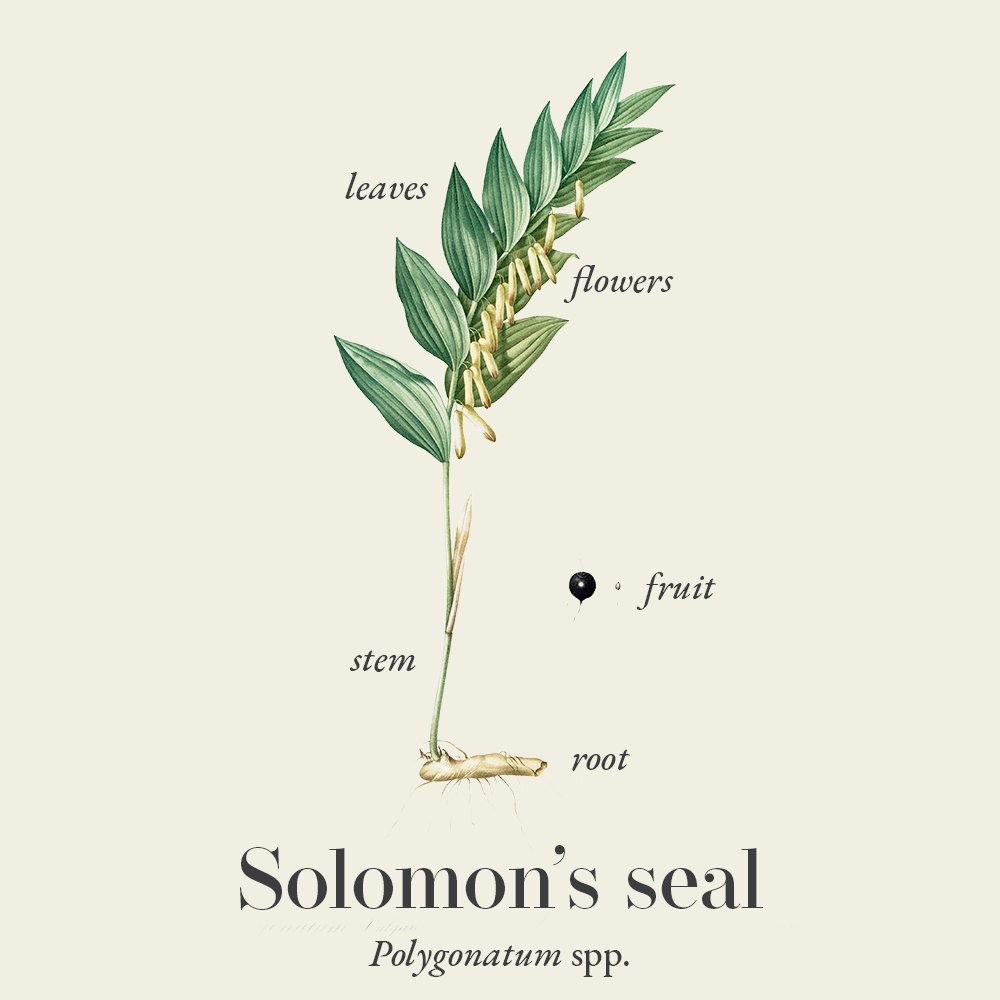
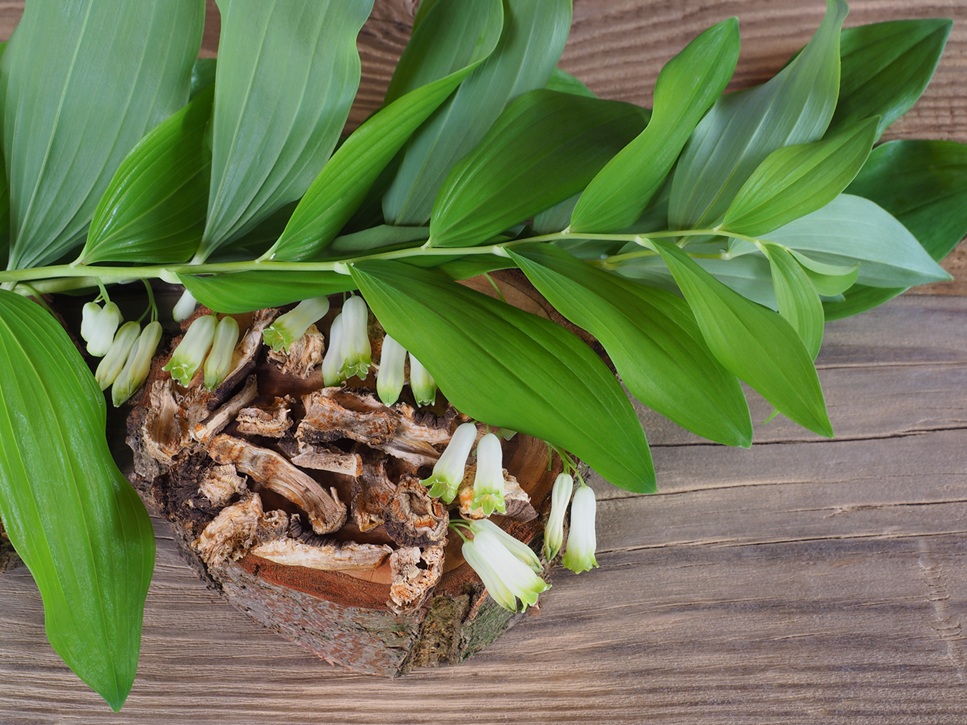
Rhizome grows horizontally beneath the ground, roughly the width of a stout finger. Each year, the active growth end of the rhizome puts up a flower stalk, while underground preparing the following year’s bud. The above-ground parts consist of a single sturdy, unbranched, bowing stalk, as tall as 1m or more, clasped by many often sizable simple, acuminate leaves. Leaves nearly clasp the stem, and grow to 3–4” in length with strongly visible parallel venation typical of the lily family.
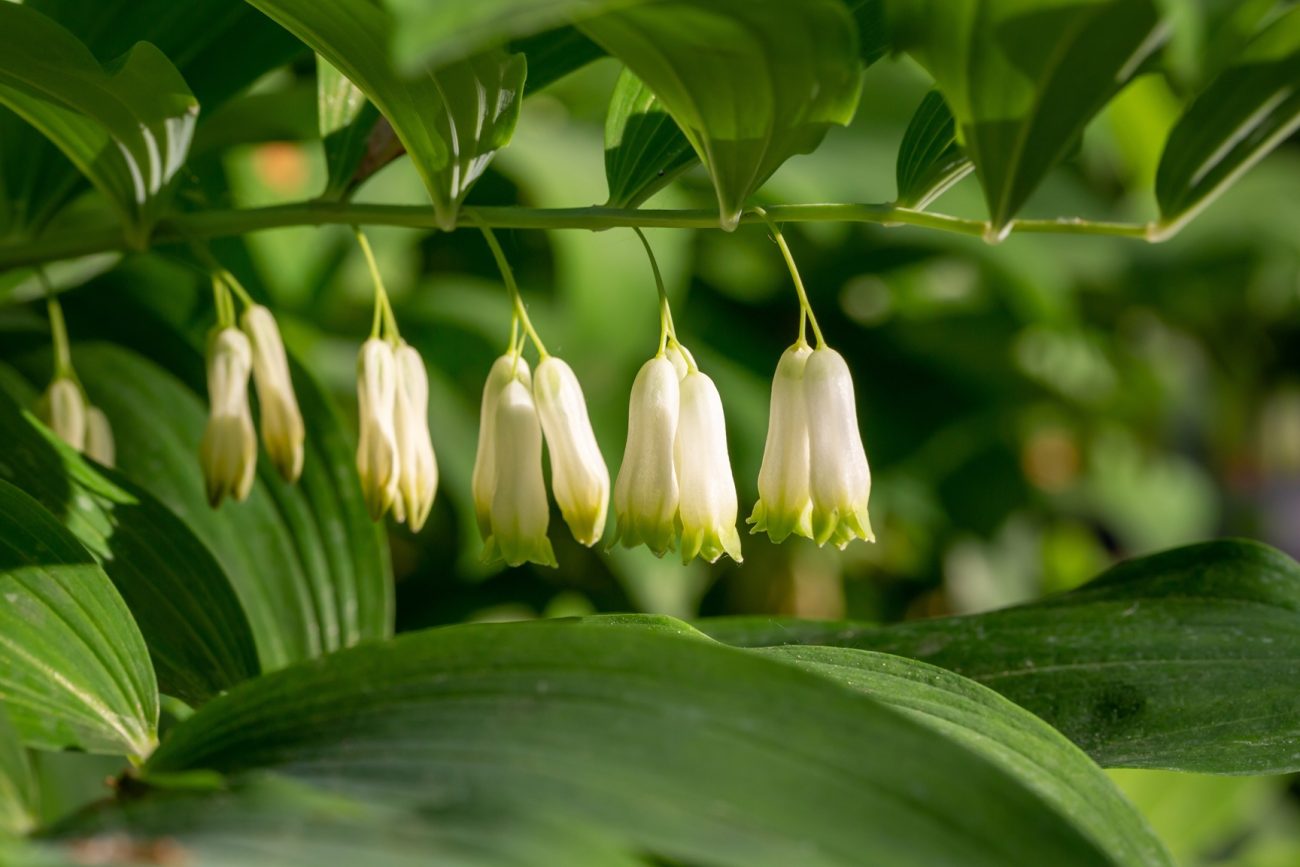
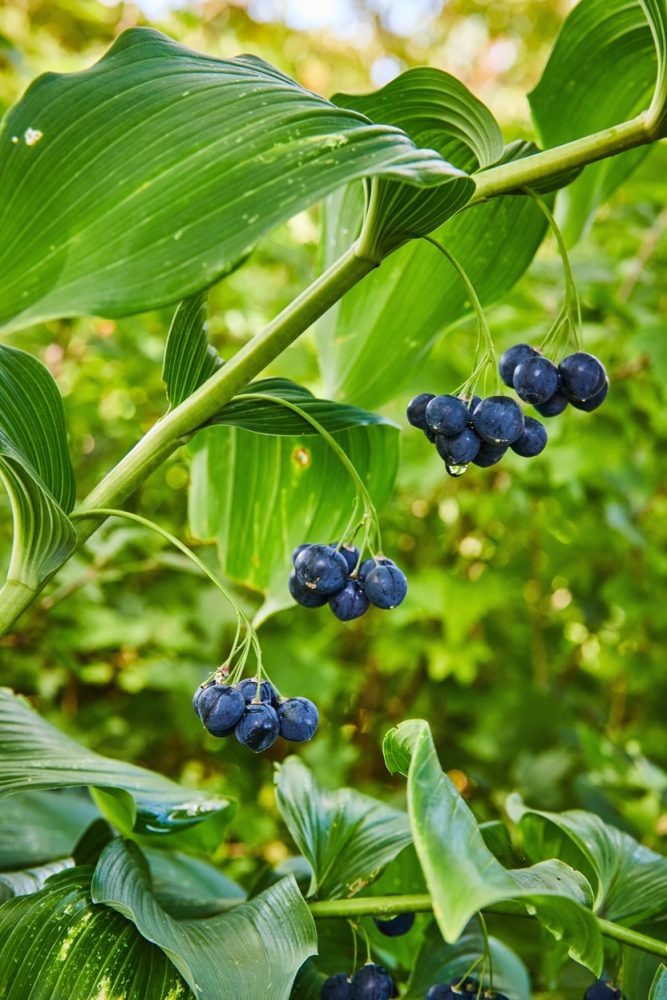
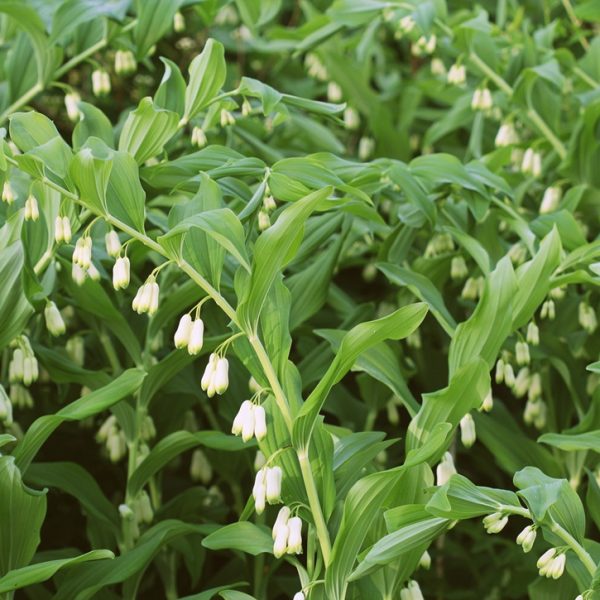
Beneath the stalk and hidden by the leaves grow slightly-belled tubular white flowers, with hints of green at the ends. On P. biflorum the flowers grow in pairs, more numerous in P. multiflorum. Solomon’s seal is a spring ephemeral, blooming in the later half of the spring. Flowers mature into attractive blue-black berries with an otherworldly purple haze, but berries are popular with smaller mammals and birds and sometimes hard to catch before they’re gone.
The overall plant can range in hue from yellowish-green to a lush granny-smith to almost blueish. Woodland Solomon’s seal plants tend to be smaller and more tender, while the varieties commonly grown in shade gardens and landscaping are hardy, bushy and grow in large, dense communities.
Solomon’s seal enjoys the same habit as Maianthemum racemosum, sometimes called Solomon’s plume or false Solomon’s seal. M. racemosum distinguishes itself by producing a fluffy panicle of many small off-white flowers, which mature to small, orange-ish berries; some also describe the foliage as coarser and more likely to tend to yellow. The rhizome of Solomon’s plume tends to be thinner and more yellow, as contrasted with the white colour of Solomon’s seal’s.
-
Common names
- Solomon’s seal
- Lady’s seals
- St Mary’s seal (29)
- Sealwort
- Drop-berry
- Conquer-john(31,32)
- Meda
- Mahmeda (33)
- P. sibericum, when processed traditionally with steaming and drying, is called huang jing. P. odoratum is called yu zhu (11).
-
Habitat
Seventy-nine recorded species of Polygonatum grow widely across the northern hemisphere. Europe, Northern and eastern North America, Russia, China, India and numerous other countries throughout Asia (27). P. biflorum is native to North America and grows widely in wet forest ecosystems throughout the eastern half of the United States and Canada. P. multiflorum is native to most parts of Europe, and has been introduced into Northeastern North America. P. odoratum grows throughout Europe and Northern parts of Asia. P. sibiricum is native to temperate parts of Northern and Eastern Asia (34).
-
How to grow solomon’s seal
Solomon’s seal may be propagated from seed or by transplanting a section of the rhizome, from which it may readily sprout. Seeds are best sown in autumn at time of production and overwintered, or else sown as early as possible in the year (35). It prefers open woodlands or shaded areas, and enjoys the presence of rocks or confined soil space (36). Many growers prefer the giant variety, Polygonatum biflorum var. commutatum, as it grows much faster and produces larger rhizomes which are of comparable medicinal value. A grower reports that giant Solomon’s seal can produce roots that are “over two feet long and weigh half a pound” (37).
-
Herbal preparation of solomon’s seal
- Quick oil extraction for use as oil or salve
- Tincture
- Poultice of pounded root
- Strong decoction
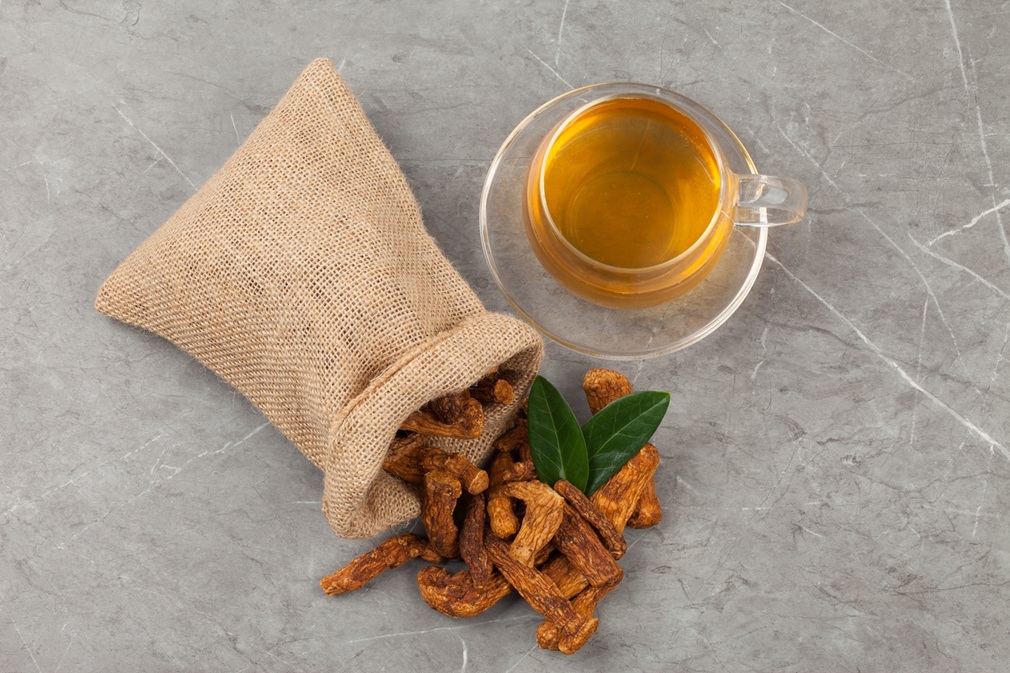
- Dried root section, chewed
P. odoratum and P. sibericum are steamed and dried nine times to neutralise irritating crystalline structures on the surface of the root (27).
-
Plant parts used
Rhizome
-
Dosage
- Tincture (1.5 | >75%): Between 10–20 drops 3–5 times a day, taken for a few days up to a few months (6,7,38).
- Strong decoction: 1 oz:32 oz, simmered for ten minutes (39)
- Regular decoction: 1.5 teaspoon:12 oz, decoct 20 minutes, then steep 40 minutes; drink 4 oz/day (16).
- Milk decoction (33)
- Topical: Apply oil, tincture, salve or fresh poultice, twice daily.
- Powder: 6–20 g/day (11)
-
Constituents
- Allantoin (13)
- Asparagine
- Steroid saponins (40)
- Polysaccharides/mucilages (19)
- Tannins (12)
- Trace minerals (12)
- Emodin (23)
- Glycosides: Convallarin (13)
- Flavonoids (41)
- Vitamin A (41)
P. odoratum and P. sibericum contain:
- Convallarin
- Beta-sitosterol
- Mucilage
- Saponins
- Flavonoids
- Vitamin A(41)
- Steroidal saponins: POD-II
- Flavonoids
- Triterpenoid saponins:
- Alkaloids
- Quinones
- Lignans
- Polysaccharides: Mannose, glucosamine, rhamnose, glucose, galactose, and arabinose (27)
-
Solomon’s seal recipe
Bruises, sprains and breaks salve
This topical salve helps to speed healing of any kind of connective tissue injury, including sprained ligaments, arthritic joints, broken bones, bruises or surgical healing.
Please note: Do not use on broken skin.
Ingredients
- 25 ml Solomon’s seal infused oil (or a little more)
- 25 ml black birch infused oil
- 25 ml St Johnswort infused oil
- 25 ml arnica infused oil
- 15 g beeswax (or so)
- 10–15 drops wintergreen essential oil
- 10 drops vitamin E
How to make a Solomon’s seal salve
- Mix infused oils and vitamin E together in a double-boiler.
- While oils slowly heat, use a knife or cheese grater to break beeswax into small pieces, if necessary
- Add beeswax to warm oil, stirring until melted.
- Test consistency by placing a drop on a small, cold plate.
- Add more beeswax to harden or more oil to soften.
- When desired consistency has been achieved, pour into salve tins or small jars and add essential oil.
- Apply or massage into affected areas a couple times a day.

-
Safety
Solomon’s seal rhizome has long been eaten as food, and is considered very safe (42,43). There are no known concerns about consuming Solomon’s seal while pregnant or breastfeeding (44). The berries of Solomon’s seal may be emetic (7).
-
Interactions
P. biflorum and P. multiflorum have no documented interactions with pharmaceuticals. P. odoratum may have some hypoglycemic effects, and caution should be exercised when combining with blood-sugar regulating medications such as metformin or insulin (44).
-
Contraindications
Contains small amounts of convallarin, a cardiac glycoside, but not in quantities sufficient to cause concern or drug interactions (7).
-
Sustainability status of solomon’s seal

None of the four species of Solomon’s seal covered here are considered to be at risk by conservation scientists. That said, the preferred habitat of P. biflorum and P. multiflorum is generally threatened. When possible, cultivated Solomon’s seal should be preferred.
If collecting from the wild, only collect for your own use and only harvest in areas where Solomon’s seal is growing very abundantly. Always be sure to leave the actively-growing portion of the rhizome to ensure continued growth (7).
Read our article on Herbal quality & safety: What to know before you buy and Sustainable sourcing of herbs to learn more about what to look for and questions to ask suppliers about sustainability.
-
References
- Dioscorides. The Greek Herbal of Dioscorides: Illustrated by a Byzantine A.D. 512. (Gunther R T., ed.). Hafner Publishing Company; 1968.
- Woodward M. Gerard’s Herball, The Essence thereof distilled by Marcus Woodward, from the Edition of Th. Johnson, 1636. Bracken Books
- Fyfe JW. The Essentials of Modern Materia Medica and Therapeutics. No. 6. Scudder Brothers Company; 1903.
- Wood M. The Earthwise Herbal, Volume II: A Complete Guide to New World Medicinal Plants. North Atlantic Books; 2009.
- Feldpausch L RH (AHG). The Botanical and Lifestyle Management of Hyperandrogenism. Journal of the American Herbalists Guild. 2019;(Volume 17, Number 2):64.
- Zizia Botanicals. solomon’s seal (Polygonatum biflorum) | jim mcdonald. YouTube. Published online February 2, 2018. https://www.youtube.com/watch?v=tGFfdM0t6Z8
- McDonald J. Solomon’s seal. Jim McDonald, Herbalist. Accessed February 1, 2026. https://www.herbcraft.org/plants/solomon
- SylvanBotanical. Jim McDonald discusses Solomon’s seal. YouTube. Published online October 12, 2012. https://www.youtube.com/watch?v=pv4zf8uUgJ0
- 7Song: From Out of the woods came Solomon’s seal. Instagram. Published December 12, 2022. Accessed February 2, 2026. https://www.instagram.com/p/CmFsdElujnt/
- Stansbury J. Herbal Formularies for Health Professionals, Volume 4: Neurology, Psychiatry, and Pain Management, including Cognitive and Neurologic Conditions and Emotional Conditions. Chelsea Green Publishing; 2020.
- Tierra M, Tierra L. Chinese Traditional Herbal Medicine: Materia Medica and Herbal Reference. Lotus Light Publications; 1998.
- Pursell J. The Herbal Apothecary: 100 Medicinal Herbs and How to Use Them. Timber Press; 2015.
- Bunce L MS. VCIH Lecture: Solomon’s Seal. Presented at: March 4, 2014; Montpelier, Vermont.
- Gong H, Gan X, Li Y, et al. Review on the genus Polygonatum polysaccharides: Extraction, purification, structural characteristics and bioactivities. International Journal of Biological Macromolecules. 2023;229:909-930. doi:10.1016/j.ijbiomac.2022.12.320
- Light PD. Southern Folk Medicine: Healing Traditions from the Appalachian Fields and Forests. North Atlantic Books; 2018.
- Winston D. Herbal Therapeutics: Specific Indications for Herbs & Herbal Formulas. 8th ed.; 2003.
- Wood M MSc (Herbal Medicine), RH (AHG). Treatment of Lyme Disease with Teasel and other Herbs. Journal of the American Herbalists Guild. 2013;(Volume 11, Number 2).
- Kramer S RH (AHG). 2016 AHG Symposium: Herbal Healing for Joints. Presented at: Seven Springs, PA.
- Dai S, Eyles A, Li C, Wu Q, Close DC. Isolation and structural characterization of a novel β-fructan with potent α-amylase inhibitory activity from Polygonatum multiflorum. Carbohydrate Polymers. 2025;369:124307. doi:10.1016/j.carbpol.2025.124307
- Gvazava L, Nebieridze V, Ganzera M, Skhirtladze A. New furostanol glycosides from Polygonatum multiflorum (L.) All. Natural Product Research. 2018;33(1):9-16. doi:10.1080/14786419.2018.1431628
- Semwal P, Painuli S, Abu-Izneid T, et al. Diosgenin: An Updated Pharmacological Review and Therapeutic Perspectives. Oxidative Medicine and Cellular Longevity. 2022;2022(1):1035441. doi:10.1155/2022/1035441
- Zhou X, Yang Q, Xie Y, et al. Tetrahydroxystilbene glucoside extends mouse life span via upregulating neural klotho and downregulating neural insulin or insulin-like growth factor 1. Neurobiology of Aging. 2014;36(3):1462-1470. doi:10.1016/j.neurobiolaging.2014.11.002
- Lu MC, Hsieh MT, Wu CR, et al. Ameliorating effect of emodin, a constitute of Polygonatum multiflorum, on cycloheximide-induced impairment of memory consolidation in rats. Journal of Ethnopharmacology. 2007;112(3):552-556. doi:10.1016/j.jep.2007.05.004
- Dong X, Fu J, Yin X, et al. Emodin: A Review of its Pharmacology, Toxicity and Pharmacokinetics. Phytotherapy Research. 2016;30(8):1207-1218. doi:10.1002/ptr.5631
- Suyal R, Bahukhandi A, Bhatt ID, Rawal RS. Comparative analysis of biochemical attributes of genus polygonatum in Western Himalaya. National Academy Science Letters. 2021;44(5):457-460. doi:10.1007/s40009-020-01028-5
- Chopin J, Dellamonica G, Besson E, Skrzypczakowa L, Budzianowski J, Mabry TJ. C-galactosylflavones from Polygonatum multiflorum. Phytochemistry. 1977;16(12):1999-2001. doi:10.1016/0031-9422(77)80112-x
- Luo L, Qiu Y, Gong L, Wang W, Wen R. A review of Polygonatum Mill. genus: its taxonomy, chemical constituents, and pharmacological effect due to processing changes. Molecules. 2022;27(15):4821. doi:10.3390/molecules27154821
- Gong H, Gan X, Li Y, et al. Review on the genus Polygonatum polysaccharides: Extraction, purification, structural characteristics and bioactivities. International Journal of Biological Macromolecules. 2023;229:909-930. doi:10.1016/j.ijbiomac.2022.12.320
- Grieve M. A modern herbal: The Medicinal, Culinary, Cosmetic and Economic Properties, Cultivation and Folk-lore of Herbs, Grasses, Fungi, Shrubs, & Trees with All Their Modern Scientific Uses. Courier Corporation; 1971.
- Coombes AJ. The A to Z of plant names: A Quick Reference Guide to 4000 Garden Plants. Timber Press; 2012.
- Elliott D. Wild roots: A Forager’s Guide to the Edible and Medicinal Roots, Tubers, Corms, and Rhizomes of North America. Inner Traditions / Bear & Co; 1995.
- Solomon’s Seal, Giant. Solomon’s Seal, Giant. https://www.uaex.uada.edu/yard-garden/resource-library/plant-week/giant-solomons-seal-4-13-12.aspx
- Frawley D, Lad V. The Yoga of Herbs: An Ayurvedic guide to herbal medicine.; 1986. https://ci.nii.ac.jp/ncid/BA25112358
- Plants of the World Online | Kew Science. Plants of the World Online. https://powo.science.kew.org/
- Polygonatum biflorum Small Solomon’s Seal PFAF Plant Database. Accessed February 4, 2026. https://pfaf.org/user/Plant.aspx?LatinName=Polygonatum+biflorum
- Solomon’s Seal, Giant (Polygonatum biflorum var. commutatum), Live Root, organic | Strictly Medicinal Seeds. Published September 15, 2024. https://strictlymedicinalseeds.com/product/solomons-seal-giant-polygonatum-biflorum-root-organic/
- Quesinberry L, United Plant Savers. Solomon’s Seal. Compendium Journal of Medicinal Plant Conservation. 2019;Volume 2.
- Solomon’s Seal Fresh – Galensway. Galensway. Published September 5, 2025. https://www.galensway.com/product/solomons-seal-fresh/
- Moore M. Materia Medica Factsheet: Herbs best used as a Strong Decoction. Southwest School of Botanical Medicine.
- PDR for Herbal Medicines. PDR Network; 2007.
- Li TSC. Chinese and related North American herbs: Phytopharmacology and Therapeutic Values. CRC Press; 2016.
- Elpel TJ. Botany in a day: The Patterns Method of Plant Identification.; 2004.
- Duke JA. Handbook of medicinal herbs. CRC Press; 2002.
- Gardner Z, McGuffin M. American Herbal Products Association’s Botanical Safety Handbook, Second edition. CRC Press; 2013.