


Last reviewed 02/03/2026
Sustainability status
At risk from overharvesting and habitat loss. Read more in our sustainability guide.

Drug interactions
Herbs may interact with pharmaceutical medications through both pharmacokinetic and pharmacodynamic mechanisms. Pharmacokinetic interactions involve alterations in the absorption, metabolism, distribution, or excretion of a drug. Many herb–drug interactions occur through liver enzyme modulation: by inducing CYP enzymes — increasing drug concentration and toxicity risk; or by inducing CYP enzymes — decreasing drug concentration and therapeutic efficacy.
Pharmacodynamic interactions occur when herbs and drugs influence the same physiological systems. These interactions can cause synergistic, additive or antagonistic effects at the receptor or tissue level, enhancing or opposing the intended pharmacological action. The clinical consequences of herb-drug interactions can be complex and nuanced. Consultation with a medical professional is, therefore, recommended to ensure safe use and appropriate dosing.
Please read the Interactions section in this monograph.
Contraindications
A contraindication refers to a situation in which a herb should be avoided as it may exacerbate a medical condition or pose undue risk. Contraindications may arise through pharmacodynamic mechanisms (e.g., liquorice in uncontrolled hypertension or uterine stimulants during pregnancy) or pharmacokinetic effects that alter metabolism, absorption or elimination (e.g., tannin-rich herbs in iron-deficient anaemia).
In some cases, herbal actions may aggravate underlying pathologies (e.g., the use of bitter herbs in GERD). Recognition of contraindications requires thorough assessment of patient history, co-morbidities and medications. Consultation with a qualified medical herbalist will provide guidance to ensure safe and appropriate prescribing.
Please read the Contraindications section in this monograph.
-
Herb overview
Safety
Marshmallow can affect absorption of drugs.
Sustainability
Low risk/Green
FairWild certified sources availableKey constituents
Mucilage
Quality
Native across Europe, western Asia and northern Africa
Wild harvested and cultivated — the latter increasinglyKey actions
Demulcent
Antitussive
Antiinflammatory
VulneraryKey indications
Dry cough
Heartburn and acid stomach
Mild gastritis
Minor cuts and woundsKey energetics
Cooling
MoisteningPreperation and dosage
Root and leaf
6–15g daily of dried root or leaf
Tincture (1:5| 25%): Take between 2–15 ml three times a day
-
How does it feel?
Upon ingesting marshmallow root or powder, the distinctive earthy sweetness comes through. There is a faint floral aroma, slightly sweet taste, and following that, the slimy mucilaginous properties dominate.


-
Into the heart of marshmallow

Marshmallow (Althaea officinalis) Marshmallow is an incredibly supportive herb. Its deeply nourishing, soothing and nurturing effects can be felt in both the physical and emotional sense. It gives an instant feeling of softness. It is energetically cooling and moist and is most specific for hot, dry tissue states.
Marshmallow is indicated for the fiery choleric type. Those who push themselves into exhaustion through over-striving or by other intense fast paced lifestyles. Energetically, marshmallow ‘grounds’ and roots one into themselves with its solid, yet softening and cooling qualities that bring balance to the choleric temperament (4).
Mucilage such as that found in marshmallow moistens the tissues by drawing water to them. It also has a drawing action on the tissues which makes it useful for drawing out toxins.
In traditional western herbalism, marshmallow is understood to be one of the primary herbs for dry, atrophic tissue states. In this tissue state there may be weakness or poor function of the mucous membranes, withered, dry looking skin and complexion as well as dryness on the tongue. Constipation is also a common symptom. Dry or atrophic tissue states may be caused by lack of fluid or oil. So it is important to assess a patient for low dietary oils (such as essential fatty acids) as a possible cause and ensure adequate fluid intake (4).
In traditional Chinese medicine, marshmallow is understood to promote yin, seen as the feminine aspect. This view is also held in Western traditional herbalism. Marshmallow is deemed as being the ‘caregiver’. This may be a herb for someone who is in need of maternal energy or connection to the matriarch (4).
The subtle sweet taste of marshmallow tells us that it is a source of energising saccharides (sugars) and would indicate its use for depletion, where there is need for deeper support and nourishment in the body. This works by its protective actions in the digestive tract and by improving the health and function of the inner surface of the digestive tract (3).
-
What practitioners say

Marshmallow (Althaea officinalis) The primary medicinal constituent of marshmallow is mucilage, which constitutes ~11% of the herb’s composition in the root, and slightly less in the leaf (7). Mucilage will trap liquid to form gel like substances and will also swell to many times its original volume. Mucilage forms a protective layer over damaged mucosal membranes, allowing time for cellular regeneration and healing to occur. It also protects the membranes from further deterioration, for example, damage from gastric acid exposure. Longer-term use of mucilage allows time for damaged cells to heal (8).
Digestive system
Marshmallow is used in all hot, inflamed, irritated and dry conditions of the digestive mucosa, such as hyperacidity, reflux oesophagitis, hiatus hernia, and gastritis and peptic ulcers.
This type of heat and irritation in the gastrointestinal tract can cause damage to the mucosa, thereby inhibiting proper absorption of nutrients and even lead to ‘leaky gut’ and sensitivities. Marshmallow’s protective healing mucilage supports these tissues in their recovery. This makes marshmallow an important part of any protocol for systemic, hot, dry and inflamed conditions. Calendula (Calendula officinalis) is a herb that pairs well with marshmallow for the treatment of chronic inflammation in the digestive system (1,8).
In lower dosages, mucilaginous compounds restrain the peristaltic action within the gut and work well to promote an antidiarrheal action. In larger dosages, they exhibit a gentle laxative effect.
Respiratory system
Marshmallow is one of the best medicines for irritated and dry conditions of the airways. Specifically for dry, unproductive and tickly coughs. Marshmallow can help provide long-term relief in lung infections and inflammatory lung conditions by allowing time for the inflamed and infected mucosa to heal. Marshmallow works well with thyme (Thymus vulgaris) or astragalus (Astragalus membranaceus) for these types of respiratory conditions (1,2,8).
Immune system
Healthy, well-coated mucous membranes and tissues directly support our defence systems. The mucilage from marshmallow helps to enhance the protective barrier, which in turn supports a healthy immune system by preventing pathogens from entering the body. When the mucous membranes are dry, it’s harder to stimulate the immune cells and eliminate pathogens from the body. Marshmallow has an important role in supporting this first line of defence by improving the health of the body’s mucous membranes (8).
Urinary system
Marshmallow helps to relieve urinary inflammations such as cystitis, urethritis, urinary stones and nephritis due to its demulcent properties. This works in the same way as described above via its protective action on the mucous membranes. This herb may be used both during the active phase of these conditions to protect the tissues but also during the recovery phase to allow the tissues to heal.
In the treatment of urinary tract infections, however, it is important to note that marshmallow does not treat the infection itself. It may be used in combination with antimicrobial herbs, such as bearberry (Arctostaphylos uva-ursi) and cranberry (Vaccinium oxycoccos) and in some cases antibiotics may be needed. Urinary tract infections need to be addressed with care due to the potential secondary infections in the kidneys. Any lower back pain would usually indicate that the kidneys are affected — in which case there is an immediate need for medical attention (3,4).
A clinical herbalist will be able to support through active stages of an infection, as well as to improve recovery outcomes and lower the risks of recurrences. The holistic approach will usually address the root causes of recurring UTIs with an integrated approach that may include dietary changes and herbs as well as redressing the microfloral balance.
Skin health
Marshmallow may be applied as an external preparation such as a poultice or gel to inflamed, irritated and dry conditions of the skin such as wounds, burns, scar tissue, ulcers and swellings.
It provides symptomatic relief whilst also directly protecting and healing the skin cells. Used as a drawing agent marshmallow may be used to draw fluid and toxicity from wounds and infections when used externally (3).
-
Marshmallow research

Marshmallow (Althaea officinalis) Marshmallow root extract for the treatment of irritative cough: Two surveys on users’ view on effectiveness and tolerability
Two surveys were carried out which included 822 consumers who bought either lozenges or syrup of the aqueous marshmallow root extract to treat a dry cough. The participants who were recruited by pharmacies in two independently performed surveys were asked to complete a questionnaire.
The treatment duration was seven days. The reported outcome showed that both preparations were effective for the symptomatic treatment of oral or pharyngeal irritation and associated dry cough. A very rapid onset of therapeutic effects was also reported in the majority of cases within ten minutes (9).
Comparison of the effects of Althaea officinalis and eucalyptus nebulizers on the severity of cough in patients with Covid-19: Clinical trial
This randomised clinical trial aimed to compare the effects of nebulised Althaea officinalis and eucalyptus on cough severity in hospitalised COVID-19 patients. Thirty-six adults with confirmed COVID-19 (sex and age not specified) were randomly allocated to three groups: marshmallow nebuliser, eucalyptus nebuliser, or control (no intervention). Cough severity was assessed using a visual analogue scale (VAS) two hours before intervention and two hours after daily treatment.
The marshmallow group received 1 cc aqueous extract plus 5 cc normal saline, and the eucalyptus group received 4 cc aqueous extract plus 5 cc normal saline, nebulised once daily for 15 minutes, continued throughout hospitalisation. The primary outcome was a change in cough intensity.
By days two and three post-intervention, cough severity was significantly reduced across groups, with greater improvement in the marshmallow group compared to eucalyptus and control (p < 0.05). Both active treatments showed progressive improvement over time (Friedman test), with marshmallow offering the most significant results. The authors concluded that nebulised Althaea officinalis may be an effective adjunctive therapy for COVID-19-related cough (10).
Comparing the effect of body wash with marshmallow plant and lukewarm water on reducing the temperature of febrile children: A randomised clinical trial
This randomised clinical trial was carried out to examine whether body washing with Althaea officinalis (marshmallow) extract could reduce fever in children. Ninety-two children aged 6 months to 10 years with temperatures above 38.3 °C were randomly assigned to a control group (lukewarm water wash) or an intervention group (white marshmallow extract wash); both groups received standard acetaminophen. Temperature was recorded every 15 minutes during the first hour and again at four and six hours.
Primary outcomes included time to fever resolution, proportion of afebrile children, and magnitude of temperature reduction; secondary outcomes were heart rate change, need for further acetaminophen, and time to fever recurrence. The intervention group showed a significantly shorter time to fever resolution (B = 8.18, 95% CI 3.78–12.58, p < 0.001) and a higher proportion of afebrile children (p < 0.001). No significant differences were observed in secondary outcomes. The authors concluded that marshmallow body wash may be a safe complementary approach to support fever reduction in children (11).
Effect of topical marshmallow (Althaea officinalis) on atopic dermatitis in children: A pilot double‐blind active‐controlled clinical trial of an in‐silico‐analyzed phytomedicine
A pilot double-blind active-controlled clinical trial was carried out to evaluate the efficacy of marshmallow in children with mild-to-moderate atopic dermatitis. The children aged between three months and 12 years old were randomly allocated into two parallel intervention and control groups.
The intervention group used a marshmallow 1% ointment while the positive control group used hydrocortisone 1% ointment twice a day for a week and after that, three times per week for a period of three weeks. A significant decrease of the symptom score was observed in both groups. The study concluded that the improvement of the patients was significantly higher in the intervention group in comparison to the control (12).
The efficacy of complementary treatment with marshmallow (Althaea officinalis L.) on vulvovaginal candidiasis: A randomised double-blinded controlled clinical trial
A randomised, double-blinded controlled clinical trial was carried out to investigate the efficacy of marshmallow in the treatment of vulvovaginal candidiasis (VVD). One hundred women with VVC were randomly assigned into two groups, with 50 participants in each. The target group was treated with CLOT-M (marshmallow aqueous extract 4% plus clotrimazole 1%) while controls received clotrimazole 1% vaginal cream for seven consecutive nights.
Symptoms and signs, and yeast culture from vaginal discharge were evaluated as the outcome measures before the intervention, and seven and 30 days after. The target group experienced a significant decrease in itching, dyspareunia (painful intercourse) and dysuria. The study concludes that the marshmallow extract cream gave significantly improved results when compared to the control group (13).
The effect of hollyhock (Althaea officinalis L) leaf compresses combined with warm and cold compress on breast engorgement in lactating women
This randomised, controlled clinical trial aimed to evaluate whether topical Althaea officinalis leaf compress, combined with routine care, improves breast engorgement in lactating women. Forty postpartum women (1–15 days after delivery) with clinically significant breast engorgement were randomised to either the intervention (n = 20) or control (n = 20). Both groups received standard care: warm compress before breastfeeding, breast massage during feeding, and cold compress after feeding, repeated three times daily for two days (six sessions).
The intervention group additionally applied 40–50 ml of hollyhock leaf compress for 10 minutes after routine care. The primary outcome was change in breast engorgement severity score (erythema, tension, and pain; scale 0–19). Both groups improved over time, but the reduction was significantly greater in the A. officinalis group (mean difference B = 4.103, p < .001), with a significant time effect (p < .001). The authors concluded that A. officinalis compress is significant in symptom improvement and may offer a safe complementary approach for managing postpartum breast engorgement (14).
-
Historical use of Marshmallow

Marshmallow root (Althaea officinalis) Marshmallow root was one of the classic demulcent or emollient remedies in European tradition and has records of use dating back to 9th century BC. It was a key herb in ancient Greek and Roman medicine, and the name ‘altho’ derives from the Greek word ‘to heal’. Dioscorides and Pliny considered it a remedy for soothing inflammation, wound healing and ulcers (5,6). Traditionally, it was applied for both internal and external use, either as a root decoction or as a poultice for abscesses (4,5).
During the mediaeval period, marshmallow was often applied as a cooling remedy for hot swellings, as well as to soothe sore throats and coughs as well as its continued use for abscesses and swellings externally (5,6). In Galenic terms, marshmallow was considered cooling, moistening and softening and applied to conditions of excess heat and dryness (6). A confectionery consisting of marshmallow and sugar or honey was created to be used in cases of sore throats and coughs and was a common household remedy (6). In traditional European herbal medicine, it was indicated in cough, pleurisy, ulcers and dysentery, and its use as a soothing demulcent was consistent throughout the centuries.
Marshmallow was eaten as a delicacy by the Romans and Egyptians and has been used as a food at various times in history when other crops were scarce (4,6).
-
Marshmallow’s herbal actions
Herbal actions describe therapeutic changes that occur in the body in response to taking a herb. These actions are used to express how a herb physiologically influences cells, tissues, organs or systems. Clinical observations are traditionally what have defined these actions: an increase in urine output, diuretic; improved wound healing, vulnerary; or a reduction in fever, antipyretic. These descriptors too have become a means to group herbs by their effects on the body — herbs with a nervine action have become the nervines, herbs with a bitter action are the bitters. Recognising herbs as members of these groups provides a preliminary familiarity with their mechanisms from which to then develop an understanding of their affinities and nuance and discern their clinical significance.
-
Marshmallow’s energetic qualities
Herbal energetics are the descriptions Herbalists have given to plants, mushrooms, lichens, foods, and some minerals based on the direct experience of how they taste, feel, and work in the body. All traditional health systems use these principles to explain how the environment we live in and absorb, impacts our health. Find out more about traditional energetic actions in our article “An introduction to herbal energetics“.
-
What can I use marshmallow for?

Marshmallow (Althaea officinalis) Marshmallow root is a wonderfully accessible and versatile medicine for use in a number of simple conditions that can be managed with home herbalism. It is one of the best demulcent and moistening agents in the materia medica for its protective effects on mucosal linings. The most common uses are for inflammation of the respiratory and digestive systems (1,2).
The primary compound in marshmallow is mucilage, which forms a slimy substance. This mucilage forms a protective layer over the mucosa — found throughout the body’s visceral organs including in the digestive, respiratory and urinary systems. These soothing, protective and coating effects are the dominant actions of marshmallow. Mucilage is sensitive to both heat and alcohol; therefore, it is best taken as a powder or extracted in cold or warm water.
Marshmallow soothes irritation in the digestive system, such as that which is caused by gastritis or stomach upsets. This provides almost immediate relief. This is because the effect is almost entirely from the physical properties of the mucilage on the mucosal lining of the upper digestive tract. It can also be used to help with short term constipation by softening the stool. Its effects on the lower digestive tract for constipation may take several hours due to transit time of the marshmallow through the body.
Marshmallow may be used for dry, irritable coughs. It is particularly helpful in recovery from a chest infection or virus which has left irritation in the lungs. Its soothing actions may also be useful for laryngitis and other inflammations in the mouth or throat (1,2).
Powdered marshmallow acts as a drawing agent when made into a poultice. This may be used on skin eruptions, insect bites or even left over splinters or tick bites (if there is concern that parts have been left under the skin. A drawing ointment can be used to draw out any remnants or infection. See the ‘Dosage’ section below to learn how to make this simple drawing ointment (3).
-
Did you know?
In ancient Egypt, the root pulp of A. officinalis was boiled with honey to produce a sticky, sweet preparation that was both prized as a delicacy and applied to soothe sore throats and other ailments. Over the centuries, variations of these sweets appeared in Greco-Roman and medieval European contexts.
In the 19th century, French confectioners developed what are recognised today as marshmallows (pâte de guimauve) by whipping the plant’s root extract with sugar and egg white. Manufacturers later replaced the plant extract with gelatin, corn syrup and other stabilisers (15).





-
Botanical description
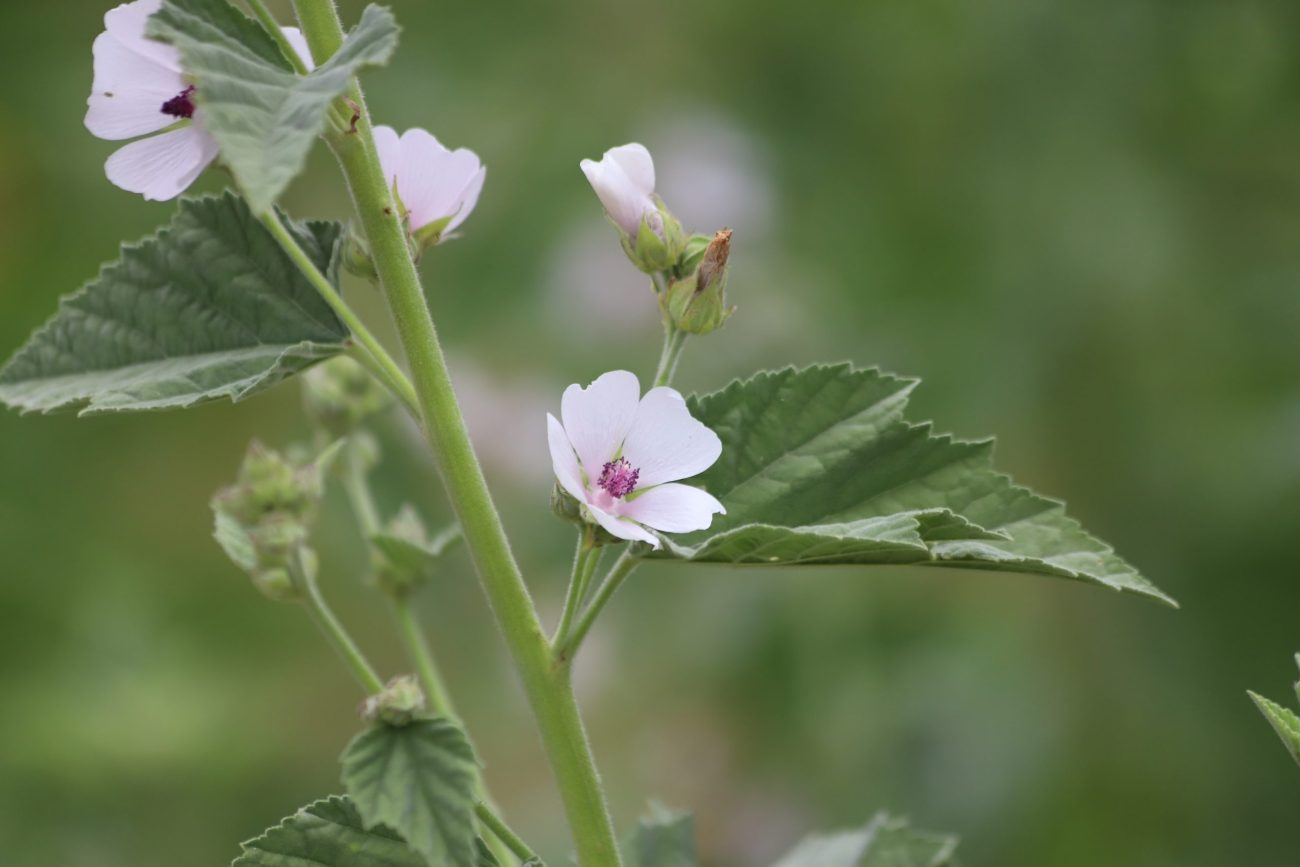
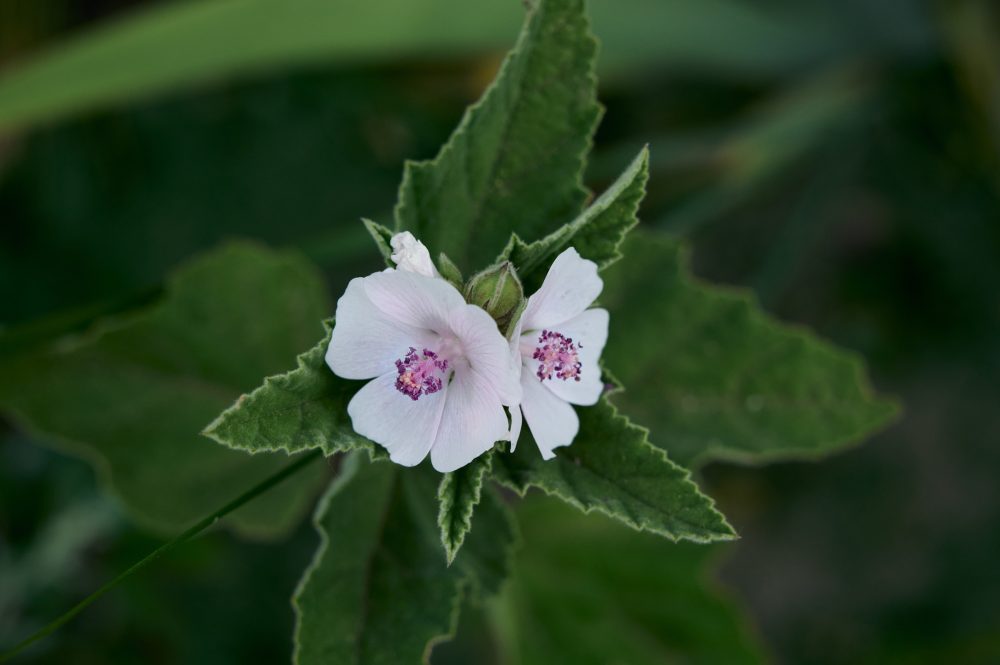
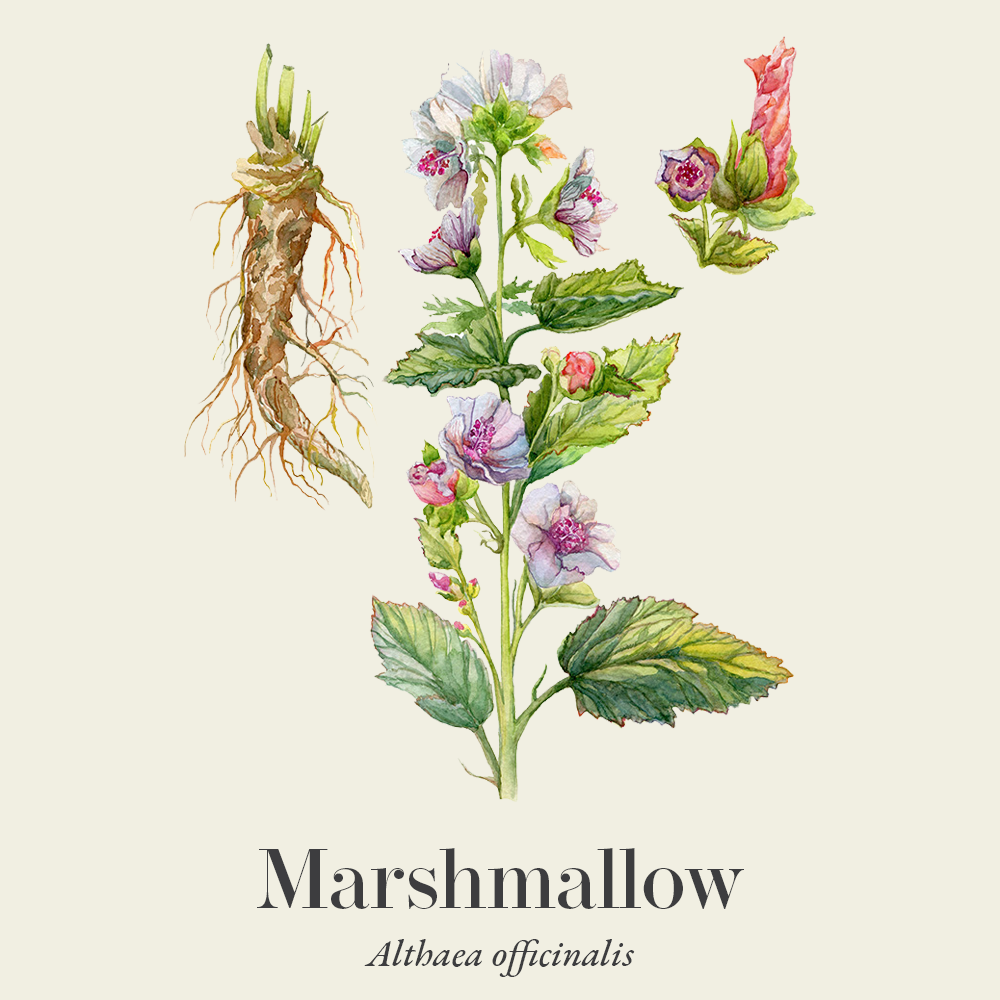
Marshmallow is native to most of Europe, where it can be found growing in salt marshes and damp meadows, river banks and coastal areas.
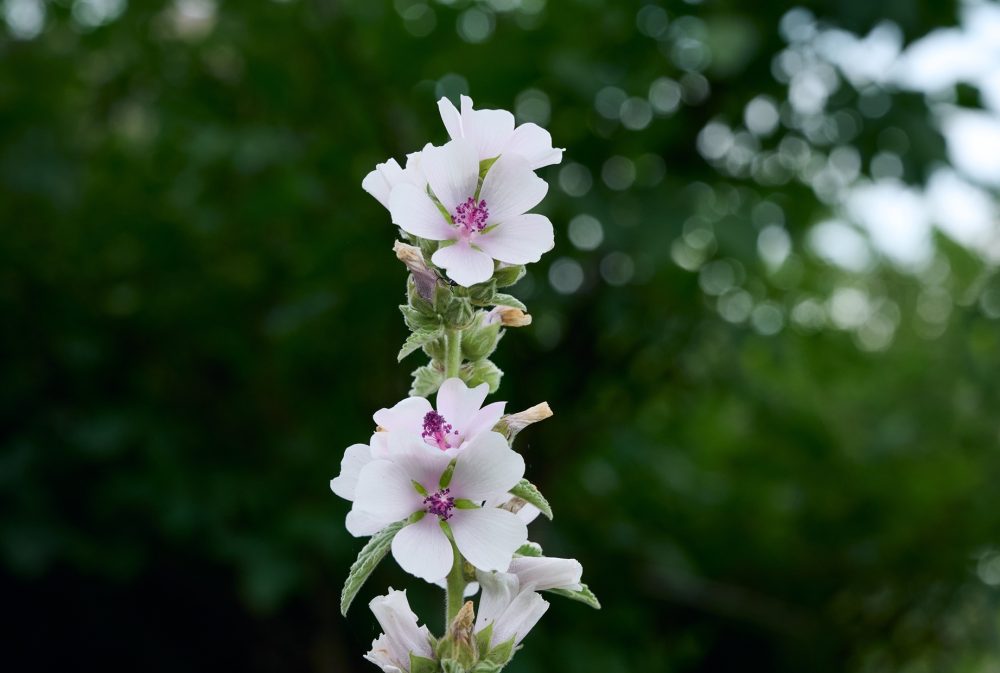
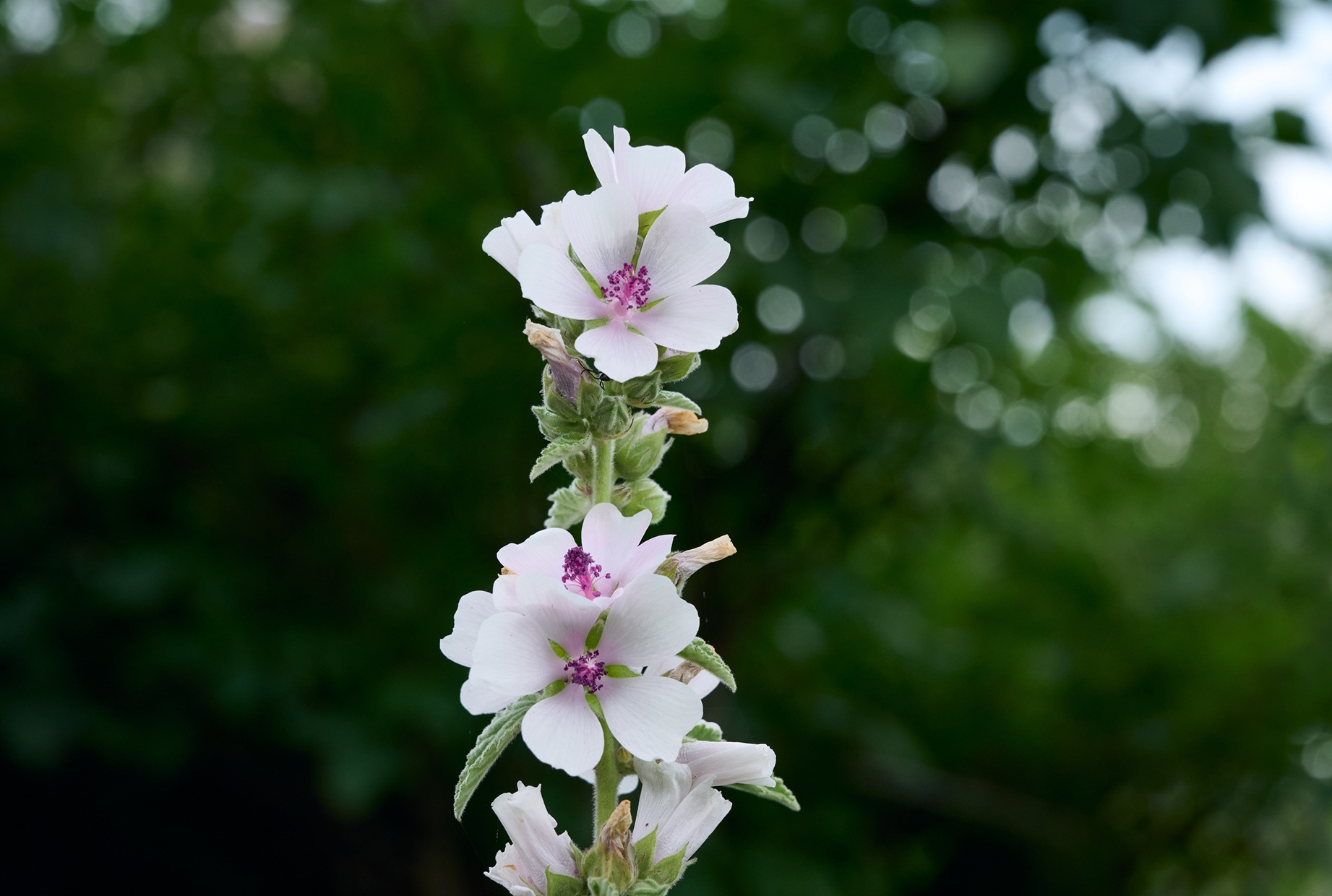
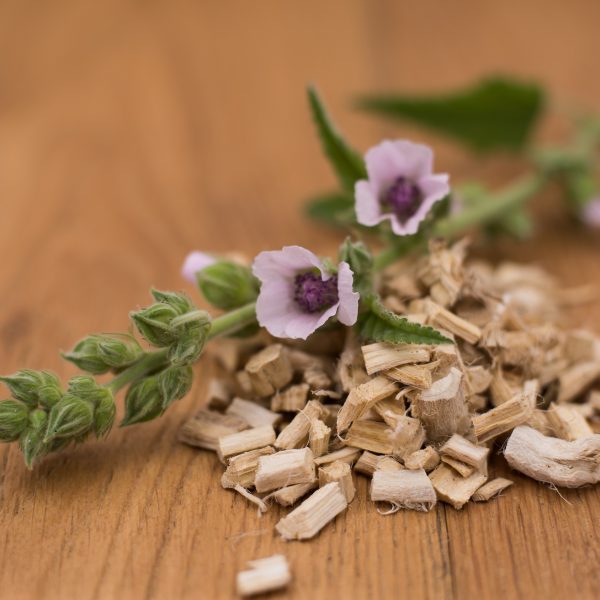
The plant grows to heights of 1–1.5 metres and has characteristically soft and velvety leaves, covered in a thick layer of fine, soft hairs.
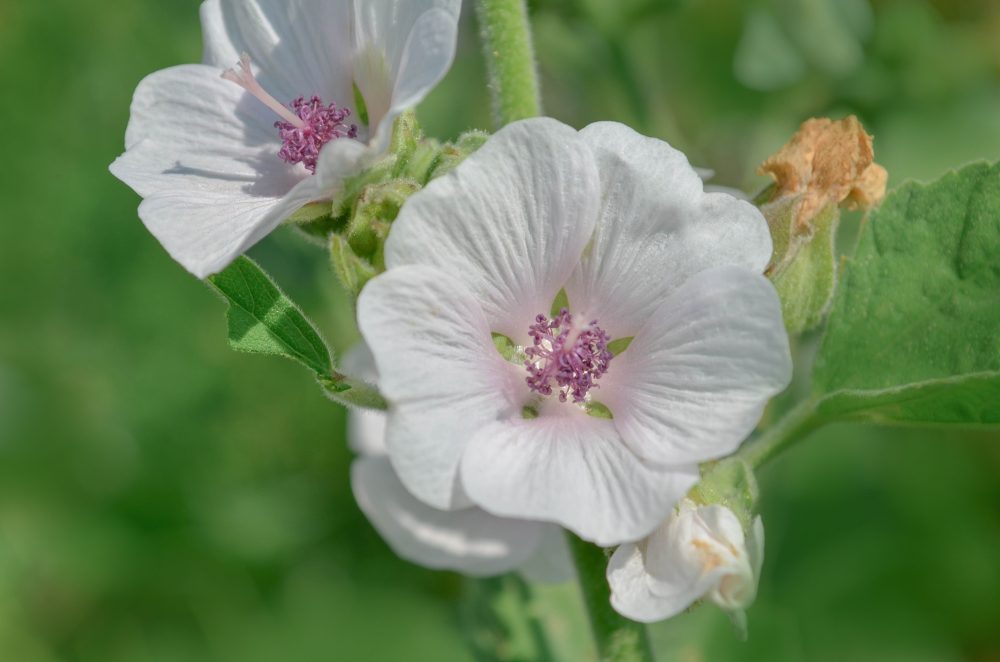
The flowers are normally a light pink or white in colour.
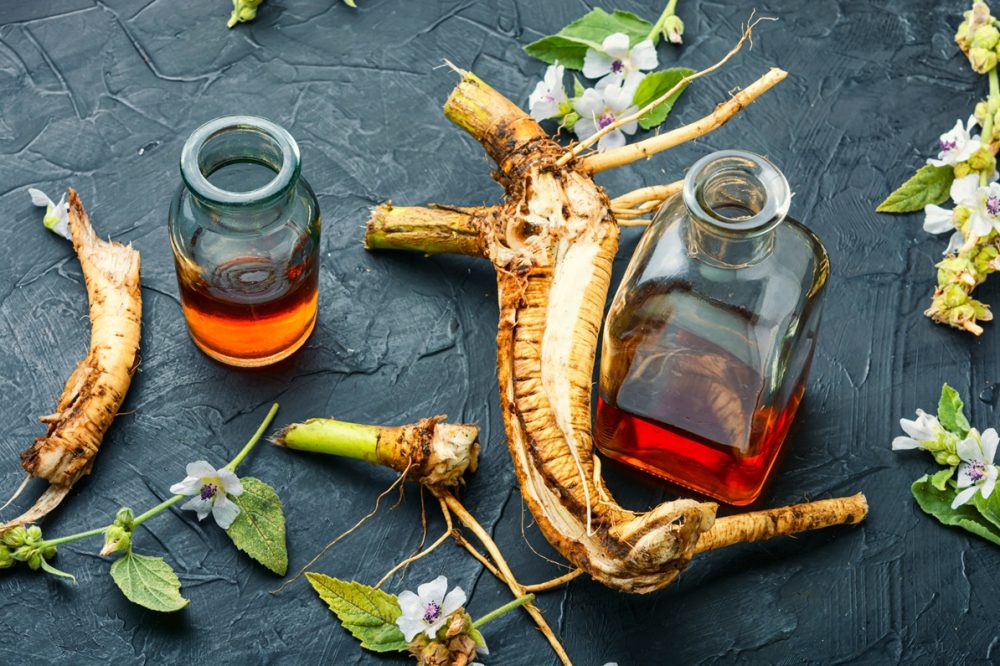
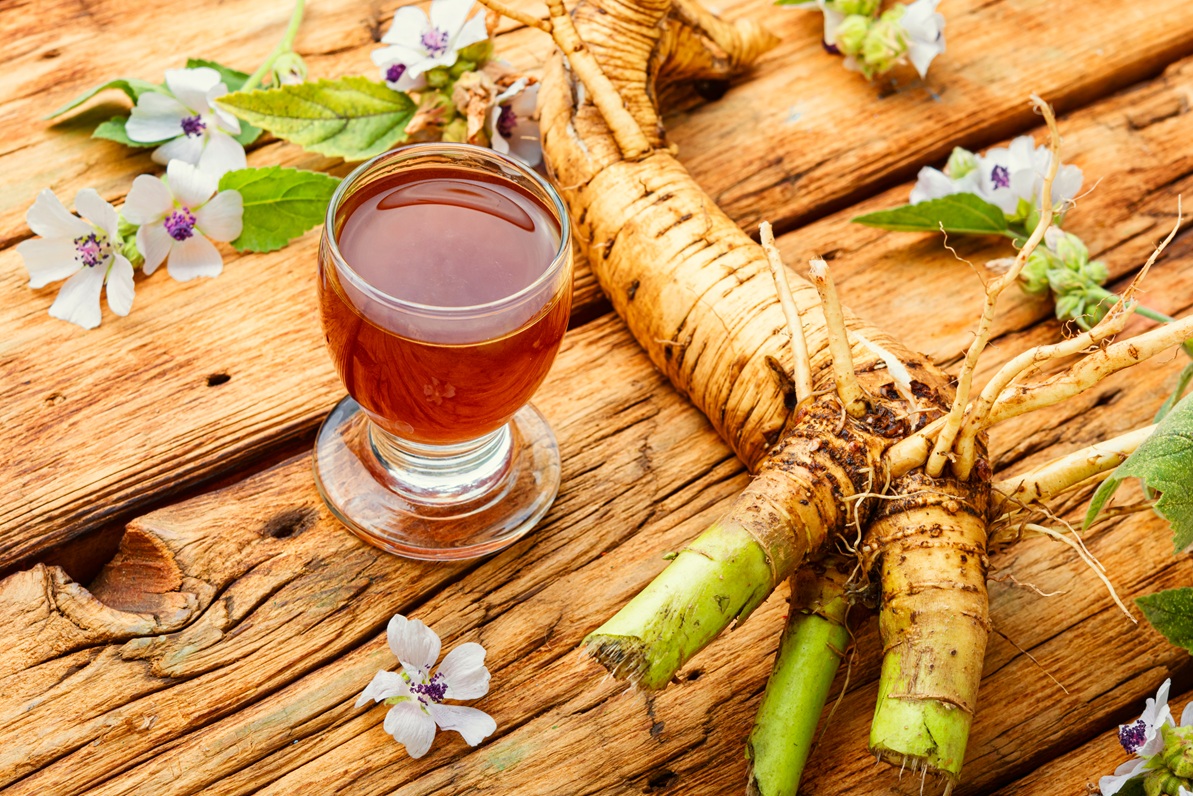
The marshmallow roots produce large volumes of mucilage when they come into contact with liquid (17).
-
Common names
- Eibisch (Ger)
- Guimauve (Fr)
- Malvavisco (Sp)
- Vartulapushpa (Sanskrit)
-
Habitat
Marshmallow is native across Europe, western Asia and northern Africa. It inhabits the upper margins of salt and brackish marshes, sides of ditches and grassy banks near the sea (18).
-
How to grow marshmallow
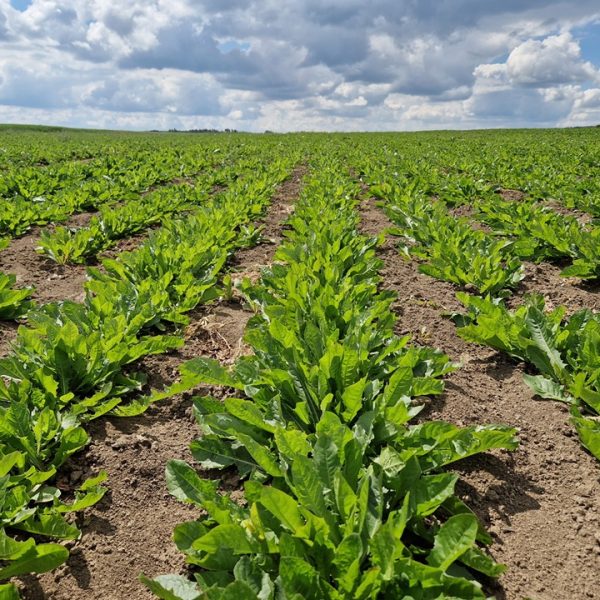
Marshmallow is a herb that benefits from some stratification to break the seed’s dormancy. This can be done in two ways; either sow the seed directly outdoors in the autumn or cold-moist stratify (mix the seed with moist sand, seal in a bag and store in the fridge) for 3–4 weeks before sowing indoors in the spring (27).
Sowing outdoors is a good method if you have a lot of seed, but if you only have a small amount, probably best to follow the second method.
If stratification sounds like too much effort, don’t worry – you should still get some germination from non-stratified seed but you may get a lower germination rate.
Pot up as soon as the seedlings have grown their true leaves, then plant out when it has grown to around 4–6 inches. Its affinity for dampness makes it a good herb to grow in heavy clay soils, although it does seem to tolerate most soil types. It can grow in full sunshine or partial shade (27).
-
Herbal preparation of marshmallow
- Dried powdered
- Capsule
- Cold/warm infusion
- Tincture
- Drawing ointment
How to make a drawing ointment with marshmallow
A paste is made using powdered marshmallow root and a little warm water. A teaspoon of powder is mixed with just enough water to make a thick paste. It is often mixed with one or two drops of a gentle essential oil, such as lavender for added disinfecting properties.
This paste can then be applied to the affected area so that it forms a small lump over the skin. Use a strip of waterproof plaster or tape to keep it in place until it is fully dried out. It can then be removed from the skin.
The suction that is created through this drying action can help to remove impurities or remnants from the skin. Repeat this up to three times a day to draw out any foreign matter such as splinters, tick bites or other insect bites (3,5).
-
Plant parts used
The roots are most often used for conditions of the digestive, respiratory and for topical use, whereas the leaf is commonly applied also for the respiratory and urinary systems. Both parts have strong mucilaginous qualities with affinities for different body systems, but, in the absence of one, the other can be used in its place.
-
Dosage
- Tincture (1:5| 25%): Take between 2–15 ml three times a day.
- Fluid extract (1:1 | 25%): Take between 2–5 ml three times a day
- Infusion/decoction: As mucilage is sensitive to heat, it is best to infuse marshmallow root in warm or cold water for between one (warm water) and 12 hours (cold water). Take between 6–15 g a day of dried leaf or root (the mucilage can withstand temperatures only up to 60oC).
- Dried capsule/ powder: Take between 6–15 g a day of dried leaf or root (5,8).
-
Constituents
- Mucilage: (20%) polysaccharides including galacturonan
- Flavonoids
- Phenols
- Coumarin (scopoletin)
- Starch
- Pectin (up to 35%)
- Tannins (up to 2%)
In addition to their physical properties, constituents of the mucilage may interact with a key mucosal enzyme, hyaluronidase (5,16).
-
Marshmallow recipe
Marshmallow drawing ointment
This is a traditional recipe which can be applied to soothe inflamed tissue, reduce redness and help to draw out infections such as abscesses, boils or splinters.
Ingredients
- 20 g dried marshmallow root
- 120 ml apricot kernel oil
- 15 g beeswax
How to make marshmallow ointment
- Combine the root and the oil in a bain-marie.
- Infuse gently on a low heat for between 3–4 hours.
- Strain through muslin.
- Pour into a 120 ml jar and allow to cool.
- Apply regularly to help draw out infection and soothe inflamed tissues.
-
Safety
Marshmallow root is generally very safe. It is advised to seek advice from a medical herbalist before using marshmallow during pregnancy and lactation (2).
-
Interactions
Marshmallow may delay the absorption of other medications taken at the same time due to its mucilage content. It is best to take marshmallow 1–2 hours before or after taking other medications (1,3,5). Theoretically, marshmallow may increase lithium levels due to its diuretic effects (7).
-
Contraindications
None known (1,2,3,5)
-
Sustainability status of marshmallow
Marshmallow is listed as ‘least concern’ on the IUCN Red List of Threatened Plants; however, populations are in decline in the UK and so we recommend buying this plant from a reputable and sustainable source (19,20). For more information see our article on the sustainability of marshmallow.
FairWild has certified wild-crafted sources of marshmallow collected in Kosovo (21).
Habitat loss and over-harvesting from the wild are two of the biggest threats faced by medicinal plant species. There are an increasing number of well-known herbal medicines at risk of extinction. We must, therefore, ensure that we source our medicines with sustainability in mind.
The herb supplement industry is growing at a rapid rate and until recent years a vast majority of medicinal plant produce in global trade was of unknown origin. There are some very real and urgent issues surrounding sustainability in the herb industry. These include environmental factors that affect the medicinal viability of herbs, the safety of the habitats that they are taken from, as well as the welfare of workers in the trade.
The botanical supply chain efforts for improved visibility (transparency and traceability) into verifiably sustainable production sites around the world is now certificated through the emergence of credible international voluntary sustainability standards (VSS).
Read our article on Herbal quality & safety: What to know before you buy and Sustainable sourcing of herbs to learn more about what to look for and questions to ask suppliers about sustainability.
-
Quality control
- Country of origin: Europe
- How sourced: Cultivated/wild-harvested
- Risks: Contamination from pollutants in the local environment
- Key marker compounds: Mucilage, flavonoids
Marshmallow (Althaea officinalis) grows throughout Europe and is mainly cultivated, although some of the herb supply will be from wild harvested sources. The root can be supplied in a peeled or unpeeled form and whole or sliced according to the British Pharmacopoeia (BP) (22).
The key constituents in the herb include mucilage, flavonoids that include kaempferol and quercetin and glycosides (22,23). National pharmacopoeias, (for example the BP) set limits in relation to the mucilage content, which is measured through the swelling index, which is not less than 10 in the root and a minimum of 12 in the leaf (24). To ensure that the herb has a high mucilage content it is important to harvest at the right time. The root should be collected from two-year-old plants in autumn and the leaves collected just before flowering, for highest mucilage content (25,26).
Herbal medicines are often very safe to take; however, their safety and efficacy can be jeopardised by quality issues. So, it is important to buy herbal medicines from a reputable supplier, from sources known to test their herbs to ensure there is no contamination, adulteration or substitution with incorrect plant matter, as well as ensuring that recognised marker compounds are at appropriate levels in the herbs.
Some important quality assurances to look for are certified organic labelling, the correct scientific/botanical name, and the availability of information from the supplier about ingredient origins. A supplier should be able to tell you where the herbs have come from, what contaminants are not in the herb, and what the primary compounds are.

-
References
- Mcintyre A. Complete Herbal Tutor : The Definitive Guide to the Principles and Practices of Herbal Medicine (Second Edition). Aeon Books Limited; 2019.
- Thomsen M. Phytotherapy Desk Reference. 6th ed. Aeon Books; 2022.
- Hoffmann D. Medical Herbalism: The Science and Practice of Herbal Medicine. Healing Arts Press; 2003.
- Wood M. The Practice of Traditional Western Herbalism : Basic Doctrine, Energetics, and Classification. North Atlantic Books, Cop; 2004.
- Fisher C. Materia Medica of Western Herbs. Aeon Books; 2018.
- Hedley C, Shaw N. Plant Medicine. (Waddell G, ed.). Aeon Books; 2023.
- Graeme Tobyn, Denham A, Whitelegg M. Althaea officinalis, marshmallow; Malva sylvestris, common mallow; Alcea rosea, hollyhock. Elsevier eBooks. Published online December 28, 2010:67-78. https://doi.org/10.1016/b978-0-443-10344-5.00013-6
- Bone K, Mills S. Principles and Practice of Phytotherapy: Modern Herbal Medicine. 2nd ed. Edinburgh Churchill Livingstone, Elsevier; 2013.
- Fink C, Schmidt M, Kraft K. Marshmallow Root Extract for the Treatment of Irritative Cough: Two Surveys on Users’ View on Effectiveness and Tolerability. Complementary Medicine Research. 2018;25(5):299-305. https://doi.org/10.1159/000489560
- Fatemeh N, Masoumeh AD, Maryam M, et al. Comparison of the effects of Althaea officinalis and eucalyptus nebulizers on the severity of cough in patients with Covid-19: Clinical trial. مرکز اطلاعات علمی جهاد دانشگاهی SID. 2024;82(1):46-53. https://www.sid.ir/paper/1518587/en
- Goodarzi H, Valizadeh F, Ghasemi F, et al. Comparing the effect of body wash with marshmallow plant and lukewarm water on reducing the temperature of febrile children: a randomized clinical trial. BMC Complementary Medicine and Therapies. 2022;22(1). https://doi.org/10.1186/s12906-022-03762-3
- Naseri V, Chavoshzadeh Z, Mizani A, et al. Effect of topical marshmallow ( Althaea officinalis ) on atopic dermatitis in children: A pilot double‐blind active‐controlled clinical trial of an in‐silico ‐analyzed phytomedicine. Phytotherapy Research. 2020;35(3):1389-1398. https://doi.org/10.1002/ptr.6899
- Amini F, Namjooyan F, Zomorodian K, et al. The efficacy of complementary treatment with marshmallow (Althaea officinalis L.) on vulvovaginal candidiasis: A randomized double-blinded controlled clinical trial. EXPLORE. Published online April 17, 2023. https://doi.org/10.1016/j.explore.2023.04.005
- Khosravan S, Mohammadzadeh-Moghadam H, Mohammadzadeh F, Fadafen SAK, Gholami M. The Effect of Hollyhock (Althaea officinalis L) Leaf Compresses Combined With Warm and Cold Compress on Breast Engorgement in Lactating Women. Journal of Evidence-Based Complementary & Alternative Medicine. 2016;22(1):25-30. https://doi.org/10.1177/2156587215617106
- McGuffin M, Hobbs C, Upton R, editors. HerbalGram: Marshmallow (Althaea officinalis): History and Uses. American Botanical Council; HerbalGram Issue 75. February 2008.
- Sendker J, Böker I, Lengers I, et al. Phytochemical Characterization of Low Molecular Weight Constituents from Marshmallow Roots (Althaea officinalis) and Inhibiting Effects of the Aqueous Extract on Human Hyaluronidase-1. Journal of Natural Products. 2017;80(2):290-297. https://doi.org/10.1021/acs.jnatprod.6b00670
- Encyclopaedia Brittanica. marsh mallow | plant | Britannica. www.britannica.com. Published 2024. https://www.britannica.com/plant/marsh-mallow
- Royal Botanical Gardens Kew. Althaea officinalis L. | Plants of the World Online | Kew Science. Plants of the World Online. Published 2019. Accessed December 25, 2024. https://powo.science.kew.org/taxon/urn:lsid:ipni.org:names:558872-1
- Khela S. IUCN Red List of Threatened Species: Althaea officinalis. IUCN Red List of Threatened Species. Published June 26, 2013. Accessed April 28, 2023. https://www.iucnredlist.org/species/202921/2758027
- Cox J, Mountford J. PlantAtlas. plantatlas2020.org. Published 2020. https://plantatlas2020.org/atlas/2cd4p9h.fz
- Marshmallow — FairWild Foundation. FairWild Foundation. FairWild Foundation. Published 2018. Accessed December 28, 2025. https://www.fairwild.org/ingredients/marsh-mallow
- Evans WC, Trease GE, Evans D. Trease and Evans’ Pharmacognosy. 16th ed. Saunders/Elsevier; 2009.
- Heinrich M, Barnes J, José M Prieto Garcia, et al. Fundamentals of Pharmacognosy and Phytotherapy. Elsevier; 2018.
- British Pharmacopoeia Commission. British Pharmacopoeia 2025. London TSO; 2025.
- British Herbal Medicine Association. Scientific Committee. British Herbal Pharmacopoeia. Conran Octopus; 1983.
- Tobyn G, Denham A. The Western Herbal Tradition. Churchill Livingstone; 2011.
- Eden Brothers. Marshmallow Seeds – Gardener’s Toolkit. Gardener’s Toolkit – Eden Brothers. Published October 21, 2024. Accessed December 25, 2024. https://grow.edenbrothers.com/planting-guides/marshmallow-seeds/