

-
How does it feel?
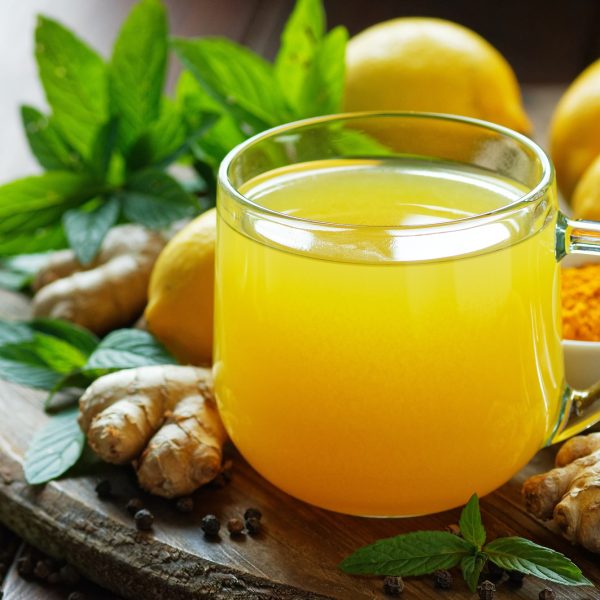
Couch grass decoction is a dark golden brown colour. It smells sweet, rich, slightly salty, sour, citrusy and tangy, with an aroma that resembles a cake being baked or pasta boiling. The taste matches the smell, as it is slightly sweet but also salty and vaguely earthy. Initially, it feels really moist and hydrating in the mouth, as a result of polysaccharides, but leaves a dry, tacky sensation on the tongue, from the volatile oils.
There is a slightly sour and acrid aftertaste in the throat, indicating the presence of some saponins. It feels heavy and nourishing as it moves down through the body, giving a sensation of grounding into the earth. It feels opening and relaxing, with a sense of slowing down. There is an opening of the lungs and a clearing of secretions, suggesting an expectorant action. Overall, couch grass is a pleasant decoction, which feels nourishing, grounding, expansive, clearing and soothing.

-
What can I use it for?

Couch grass (Elymus repens) Couch grass is “one of the most valuable of our indigenous remedies” for urinary complaints (1). It is primarily diuretic, demulcent, and antimicrobial, soothing inflammation and irritation, and treating urinary tract infections (UTI’s) such as cystitis and urethritis (2). It can also be used to both prevent and treat kidney gravel and stones, by supporting the breakdown and removal of metabolites (2). It is a useful addition to a spring tonic to help eliminate toxins via the kidneys (3). Couch grass is a valuable herb for benign prostate hyperplasia (BPH) or an enlarged prostate (2).
The mucilage content makes it soothing for the mucous membranes particularly those that it comes in contact with throughout the intestinal tract (4). This helps to clear heat and inflammation from the stomach, intestines, liver and gall bladder, soothing irritation throughout the digestive system (3).
Due to both the diuretic action, which eliminates metabolites and prevents build up in the joints; and the anti-inflammatory properties, couch grass can be used to support rheumatic conditions and gout (2,5).
Couch grass is a mild expectorant and antimicrobial herb which can be used to treat ailments of the respiratory system. The anti-inflammatory actions help to soothe irritation in the lungs and calm irritating coughs (4). The expectorant action, which can be felt shortly after drinking, can help to clear mucus congestion from the lungs and throat (3).
-
Into the heart of couch grass

Couch grass (Elymus repens) Couch grass contains triticin, mannitol, inositol, glucose, silicic acid and silicates, and volatile oils (6,7).
Triticin is a water soluble carbohydrate molecule with a similar structure to inulin (8). Triticin forms a mucilaginous layer when hydrated, which has a directly soothing effect on the gastrointestinal lining and urinary tract (2,7). Mannitol is an osmotic diuretic, decreasing the water reabsorption from the kidney tubules and increasing urine output (9). Mannitol is absorbed whole from the gut and excreted largely by the kidney tubules (10). It is freely filtered into the kidneys, and is not reabsorbed into the blood, travelling the length of the tubules (11).
Its presence in the tubules means that extra water has to be retained in order to maintain osmotic pressure, increasing the fluid for excretion as urine (10,11). The diuretic action greatly increases the flow of the water portion of the urine, without, to the same extent, increasing the solid particle renal secretion (12). This makes couch grass effective when the urine is highly concentrated, with a high specific gravity, which is causing irritation of the mucus surfaces of the kidneys or bladder (12).
The saponins and vanillin are also diuretic, further supporting the elimination of waste, excess sodium and uric acid via the kidneys (3,10).
Agropyrene is the main volatile compound present in the volatile oils of couch grass (8). It is one of the main active principles, which has been demonstrated to have broad antibiotic activity in laboratory studies (2,8). Other constituents in couch grass have antiadhesive activity against urinary pathogens, inhibiting bacterial attachment to human bladder cells by interacting with the bacterial outer membrane (13). It should be noted that this antiadhesive activity has only been demonstrated in isolated human bladder epithelial cells in vitro, and more clinical research is needed.
Energetically, couch grass is considered cooling and moistening, aligning with the mucilage content and its demulcent action, respectively (1,5). It is a remedy for heat and irritation, suited to dry and atrophic tissue states (14). It is the mild stimulation of the liver and kidneys that assists in the elimination of heat and waste products (12). From an emotional perspective, couch grass can be helpful to smooth the way to make life changes more skilfully (15).
-
Traditional uses

Couch grass (Elymus repens) In 1653, Culpeper credited Galen and Dioscorides for the information about couch grass in his Complete Herbal (16). This suggests couch grass has been used to support the urinary system, in a similar manner as it is in modern herbal medicine, since as early as 40AD. He wrote that “it gallantly provokes urine, and easeth the kidneys oppressed with gravel, griping’s of the belly, and difficulty of urine” (16). The recommended mode of administration was to take “for their morning’s drink a draught of white wine, wherein these roots (being bruised) have been boiled” (16).
Dioscorides and Galen directly referenced its use in ancient Greek medicine, particularly for bladder and kidney afflictions (1). Dioscorides asserted that the root, taken in the form of decoction, was a useful remedy for suppression of urine and stones in the bladder (1). The same statements were made by Pliny, and are found in the writings of Marcellus Empiricus in the fourth century (1). The Cherokee people used it to treat bed-wetting, incontinence and urinary stones (4).
Although couch grass was known to be an invasive, troublesome weed by farmers and gardeners, it was a highly valued herbal remedy of the time, with Culpeper concluding “although a gardener be of another opinion, yet a physician holds half an acre of them to be worth five acres of carrots twice told over” (16). Formerly known as Agropyron repens, and Triticum repens prior to that, couch grass appeared in the British Pharmaceutical Codex 1911 as a “demulcent diuretic, employed in the treatment of catarrhal diseases of the genito-urinary tract, given in the form of a decoction and a liquid extract” (17).
In the early twentieth century more detailed accounts recorded couch grass as a useful remedy for pyelitis (kidney infection), purulent cystitis, lithemia (high uric acid in the blood), dysuria (painful urination), strangury (slow, painful urination), tenesmus (urge to urinate) and haematuria (blood in urine) (12). It was also used in the treatment of both sub-acute and chronic prostatitis with enlargement, and because of its soothing properties it was valuable in gonorrhoea (12).
It was also taken to relieve obstructions of the liver and gallbladder, and considered a cure for jaundice (18,19). This action on the liver, combined with the diaphoretic action to reduce heat, accounts for the cooling energetics (1). It was due to this cooling action that is was used in the treatment of fever by keeping up free secretion from the kidneys, assisting the elimination of heat, and waste products, and the reduction of excessive temperature (12). Grieve recommended making an infusion by adding 25 g to 500 ml boiling water and consuming three cups a day (1). The decoction was made by adding 50–100 g to 1000 ml water and then simmering it down to 500 ml (1).
Topically, the bruised root of couch grass was applied to fresh “’green’ wounds to accelerate healing (16). During the food shortages and times of famine the seeds and rhizomes were used to produce a nutritious flour to replace wheat and other grains to make bread (10).
-
Traditional actions
Herbal actions describe therapeutic changes that occur in the body in response to taking a herb. These actions are used to express how a herb physiologically influences cells, tissues, organs or systems. Clinical observations are traditionally what have defined these actions: an increase in urine output, diuretic; improved wound healing, vulnerary; or a reduction in fever, antipyretic. These descriptors too have become a means to group herbs by their effects on the body — herbs with a nervine action have become the nervines, herbs with a bitter action are the bitters. Recognising herbs as members of these groups provides a preliminary familiarity with their mechanisms from which to then develop an understanding of their affinities and nuance and discern their clinical significance.
-
Traditional energetic actions
Herbal energetics are the descriptions Herbalists have given to plants, mushrooms, lichens, foods, and some minerals based on the direct experience of how they taste, feel, and work in the body. All traditional health systems use these principles to explain how the environment we live in and absorb, impacts our health. Find out more about traditional energetic actions in our article “An introduction to herbal energetics“.
-
What practitioners say
 Urinary system
Hoffmann lists couch grass as one of the all-round tonic remedies for the urinary system, along with cleavers (Galium aparine) and yarrow (Achillea millefolium) (2). Other notable kidney tonics are goldenrod (Solidago virgaurea) and horsetail (Equisetum arvense) (20). These tonic herbs nourish the tissues, have a toning effect on the smooth muscles of the bladder, and help to support the normal functioning of the organs and tissues (2,20).
Couch grass is one of the best demulcent diuretics. The demulcent action of the mucilage due to the polysaccharides soothes the mucous membranes, acting as an anti-inflammatory agent to reduce inflammation (2). The mucilage soothes the entire urinary tract and it is useful in any inflammatory condition of the urinary system (3). Dysuria (painful urination) and tenesmus (urgent need to urinate when the bladder is empty) commonly indicate inflammation in the bladder or urethra, which is often due to infection (2). The diuretic properties of couch grass increase the amount of fluid passing through the kidneys, urinary tract and bladder, supporting the elimination of waste, metabolites, inflammation, heat and infection (14). Due to the diuretic action, couch grass is best consumed as an infusion or decoction, however taking a tincture in addition may increase the antimicrobial properties (1,7).
It is effective for use in cases of cystitis, urethritis, pyelonephritis, prostatitis, benign prostatic hypertrophy and kidney stones, especially when there is irritation or inflammation of the urinary tract (8,20). The silicic acid in couch grass is healing and strengthening for the urinary tract and sphincters, which is helpful for bedwetting and urinary incontinence (3,14).
Urinary tract infections (UTIs)
Couch grass is commonly incorporated in treatments for UTIs due to its diuretic, demulcent, anti-inflammatory, antimicrobial and tonic actions. In addition to the demulcent and diuretic actions, the antimicrobial action of the volatile oils make couch grass a useful herb for UTIs including cystitis, urethritis, and even pyelonephritis (kidney infection) (12,20). Mechanical abrasion from microcrystals of calcium phosphate in the urine is one of the causative factors of the infection and inflammation in cystitis (2).The actions of couch grass promotes the excretion of urates, oxalates, calcium and phosphates (1). Couch grass is particularly valuable in the resolution of recurrent cystitis due to the toning effect on the smooth muscle of the bladder (20).
During a bladder infection, bacteria can linger in the small amount of urine that remains after each urination. Bladder tonics help minimise this residual volume, enhancing the ability to empty the bladder and supporting the natural elimination of infectious agents (20). Bladder tonics can be of particular benefit in interstitial cystitis, where there is inflammation of the bladder wall but no observable infection.
Traditional recommendations for couch grass are an infusion or decoction as the preferred method of administration to mitigate the diuretic effect, however this may limit the availability of some constituents. The constituents with antimicrobial and antiadhesive actions have low water solubility and may only be present in alcohol extracts (7). In cases of infection, couch grass may be better suited to a tincture blend, or used in both a tincture and tea prescription simultaneously. In the treatment of UTIs, couch grass combines well with marshmallow (Althaea officinalis), corn silk (Zea mays), horsetail (Equisetum arvense) and bearberry (Berberis vulgaris) leaf. You can read more about UTIs here.
Urinary stones
Excessive uric acid (lithaemia), calcium, oxalic acid, and other breakdown products of metabolism in the blood can lead to urolithiasis, the formation of urinary stones (2,14). The crystalline sediment (gravel) and stone-like particles (calculi) can form anywhere in the urinary system (kidney, ureters, urethra, or bladder) causing pain and inflammation (2). Couch grass promotes the flushing of these metabolites via its diuretic action and is therefore both preventative, as well as a remedy for, urinary gravel and stones (3,21).
The demulcent and anti-inflammatory actions ease irritation of the urinary passages and provides relief in cases of gravel and stones (1). The German Commission E supports couch grass as therapy for inflammatory diseases of the urinary tract and for the prevention of kidney gravel (22). There is some limited clinical evidence to support the use of couch grass in cases of renal and urinary stones – see Research section below. You can read more about kidney stones and herbal solutions here.
Prostate
Urinary hesitancy, straining and dribbling all indicate that some obstruction is inhibiting the free flow of urine from the bladder along the urethra, of which prostate problems are the most common cause in men (2). Benign prostatic hyperplasia (BPH) is a common, age-related, non-cancerous enlargement of the prostate gland (20). The swelling obstructs the urethra and urinary flow, creating discomfort during urination and an inability to fully empty the bladder (20). The urine remaining in the bladder leaves the patient vulnerable to infection, bladder stones and kidney damage (20).
The anti-inflammatory, diuretic, tonic and antimicrobial actions of couch grass all support use in cases of BPH. Couch grass is also beneficial in the treatment of both sub-acute and chronic prostatitis with strangury (slow and painful urination), by reducing the inflammation causing the obstruction (12).
Both BPH and prostatitis can result in a hypotonic bladder due to the chronic urinary outlet obstruction, which, over time, weakens the muscles of the bladder. Bladder tonics such as couch grass can tone the muscles of the bladder and benefit the treatment both sub-acute and chronic prostatitis and BPH (12,20).
Musculoskeletal
Couch grass is also recommended in gout and rheumatism due to the eliminative potential as a result of its diuretic action (1,20). Lithaemia is a state in which uric acid levels in the bloodstream exceed normal thresholds, potentially leading to gout, kidney stones, or other metabolic disturbances. Excessive uric acid in blood can form crystals in joints causing inflammation, joint pain, swelling and gout (2).
The diuretic action of couch grass clears toxins, metabolic waste and uric acid through the kidneys, which is both preventative and therapeutic for arthritis and gout (3). Additionally, the anti-inflammatory action is helpful in the treatment of a range of joint diseases (3).
Respiratory system
Couch grass is an expectorant, soothing demulcent, antimicrobial and anti-inflammatory herb which can be used to treat bronchitis, irritating coughs, whooping cough and laryngitis (4,15). The German Commission E has approved couch grass for the treatment of bronchitis and laryngitis (22). It will help clear mucus congestion through its soothing effect on the mucosa throughout the nose, throat and bronchi, and the silica has a healing effect on the lungs (3). It can be used for a sore throat and tonsillitis, combining well with sage (Salvia officinalis) and pennyroyal (Mentha pulegium) (14).
-
Research

Couch grass (Elymus repens) As with so many of the traditional herbal remedies which have lost favour, there is minimal clinical evidence to support the use of couch grass. The indications are largely based on traditional use, in vitro research into the plant constituents, and in vivo animal studies. Couch grass has demonstrated diuretic and sedative activities in rats and mice, and broad antibiotic activity has been documented for the constituent agropyrene in vitro (8).
Fluid extract of Agropyron repens for the treatment of urinary tract infections or irritable bladder. Results of multicentric post-marketing surveillance
This post-marketing surveillance study investigated the efficacy and tolerability of a fluid extract of Agropyron repens (Couch grass drops) in 133 patients with urinary tract infections or irritable bladder. For an average of twelve days patients were administered 50–60 drops (~3 ml), three times per day. Over the course of the therapy 69%–91% of the urological symptoms initially documented were relieved, with 32%–53% of the patients being completely symptom-free following treatment. The herbal treatment was tolerated very well, and there were no adverse reactions reported (23).
Role of Agropyron repens extract in treatment renal calculus in pediatric group
This prospective randomised controlled study investigated the efficacy of couch grass in decreasing the number and size of renal calculus in paediatric patients. The 50 children aged 5–14 years old were randomly assigned to either the treatment group (couch grass extract capsule, 5 mg/kg) or control group. The treatment was dissolved in water, and administered every other day for 60 days. In the couch grass group, 88% of the patients experienced a significant decline in the number (P=0.001) and 92% a decrease in the size of the stones (P=0.003).
In the control group only 8%, and 16% demonstrated a decrease in stone number and size, respectively. In the treatment group 78% demonstrated a reduction in renal colic, which was significantly greater than the 16% of patients in the control group (P=0.003). Haematuria and sepsis decreased in 86 % and 89% of the treatment group and only 24% and 13% of the control group (P=0.002, P=0.001). The study concluded that couch grass is an important herb for decreasing the number and size of renal calculus, and diminishes renal colic, haematuria and sepsis, without any side effects in paediatric patients (13).
Results of the effect of a food supplement containing Agropyron repens, mannitol and magnesium on upper urinary tract stone volume and surface compared to placebo: the AMMOS study
This prospective, placebo‐controlled, two‐arm, randomised clinical study investigated the commercially available product, RENALOF®, a supplement containing couch grass extract (12 mg per capsule), mannitol and magnesium stearate. Patients with renal and/or ureteral calcium oxalate stones were randomised to receive either RENALOF® (three times daily – at a total of 36 mg couch grass extract) or placebo, for three months. Stone volume and stone surface area was estimated from measurements on images obtained with 3 mm slice abdominal CT scans, at baseline and after the three month treatment period.
The treatment group had a statistically significant reduction in both stone surface and stone volume. The authors concluded that this first randomised controlled trial (RCT) on phytotherapy for upper tract stones provides solid evidence that RENALOF® is effective in reducing renal and urinary tract stone volume and stone surface area. It needs to be considered that the couch grass was not taken in isolation and the effect of the other constituents could be attributable to the findings (24).
-
Did you know?
The name, couch, derives from the Anglo-Saxon, civice (vivacious), due to its tenacity for life as the elongated, creeping underground stems proliferate rapidly (1). Even the tiniest fragment left in the soil will regenerate and spread swiftly, making the plant exceedingly difficult to eradicate once it has taken hold (1). The former name Agropyron, is from the Greek agros (field), and puros (wheat) (1).





Additional information
-
Botanical description
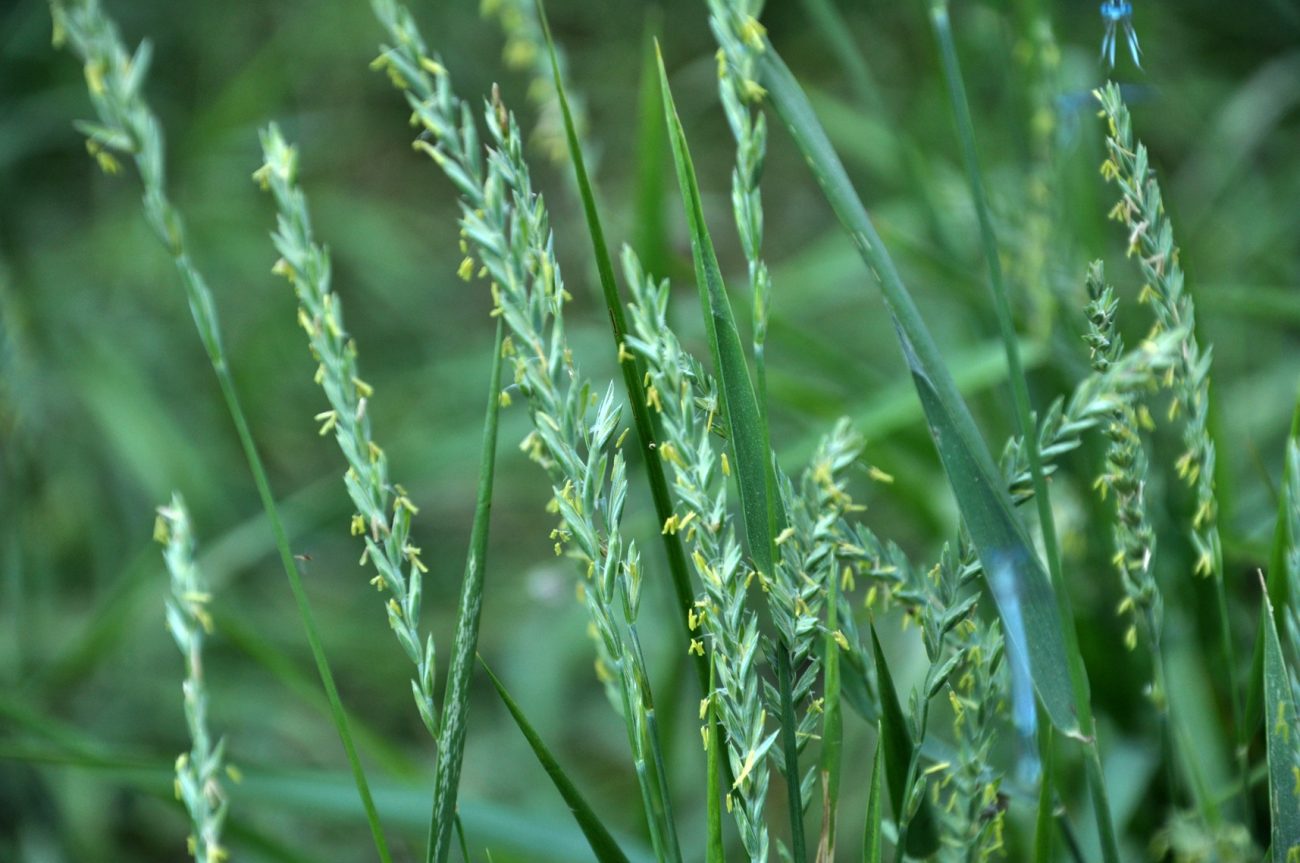
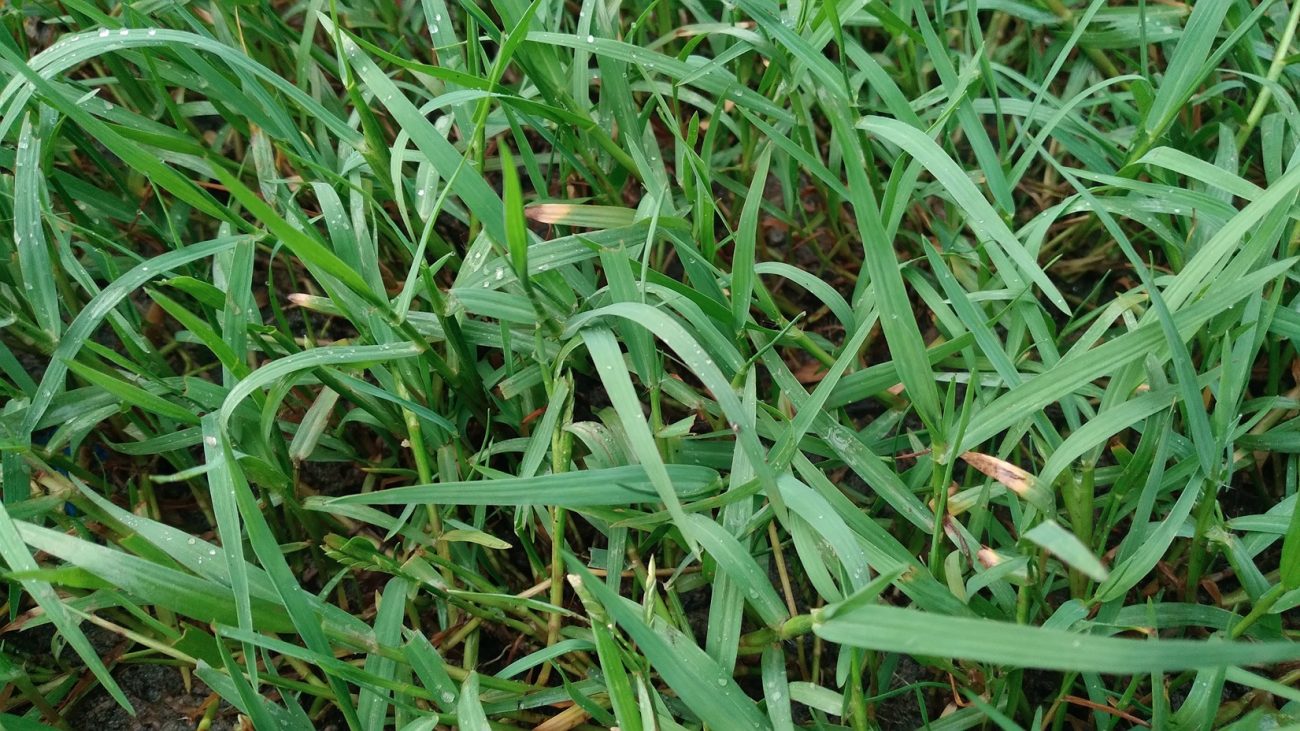
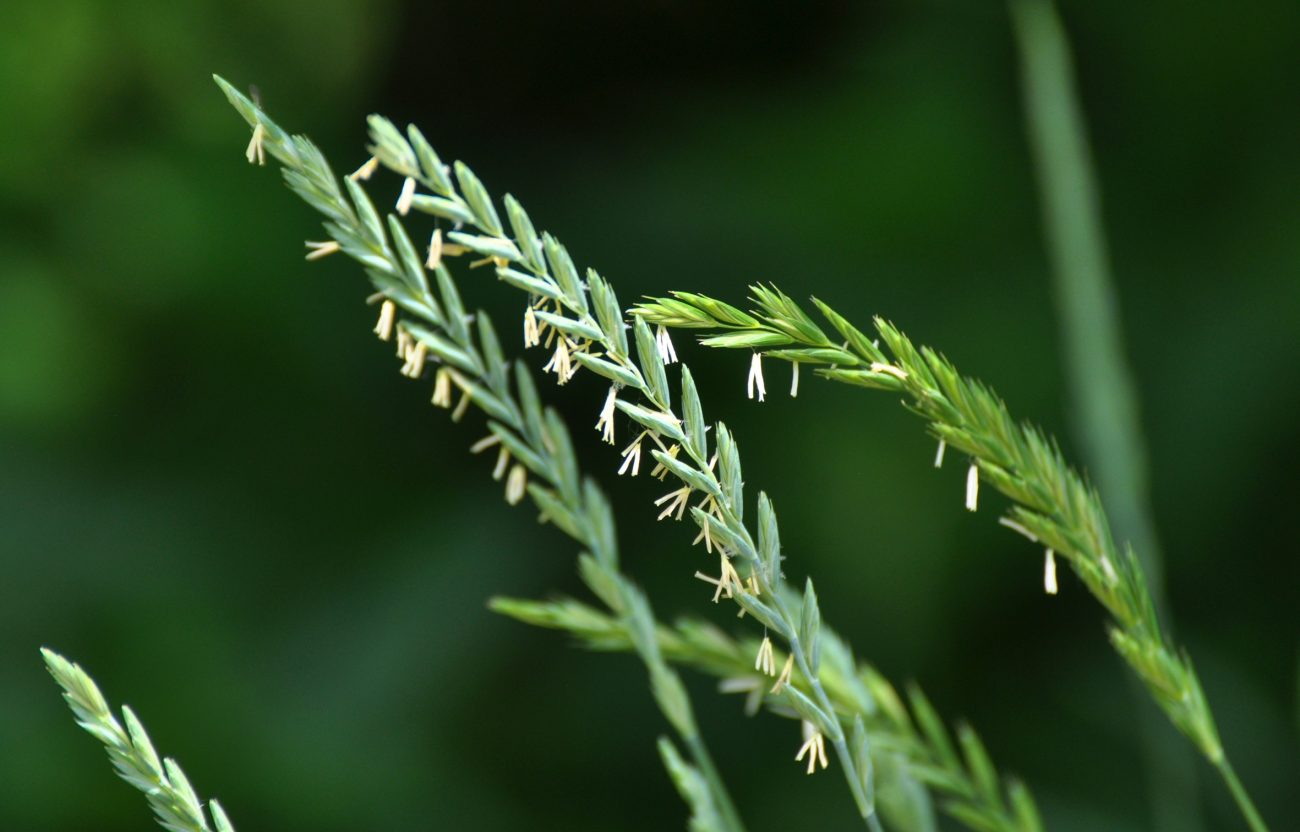
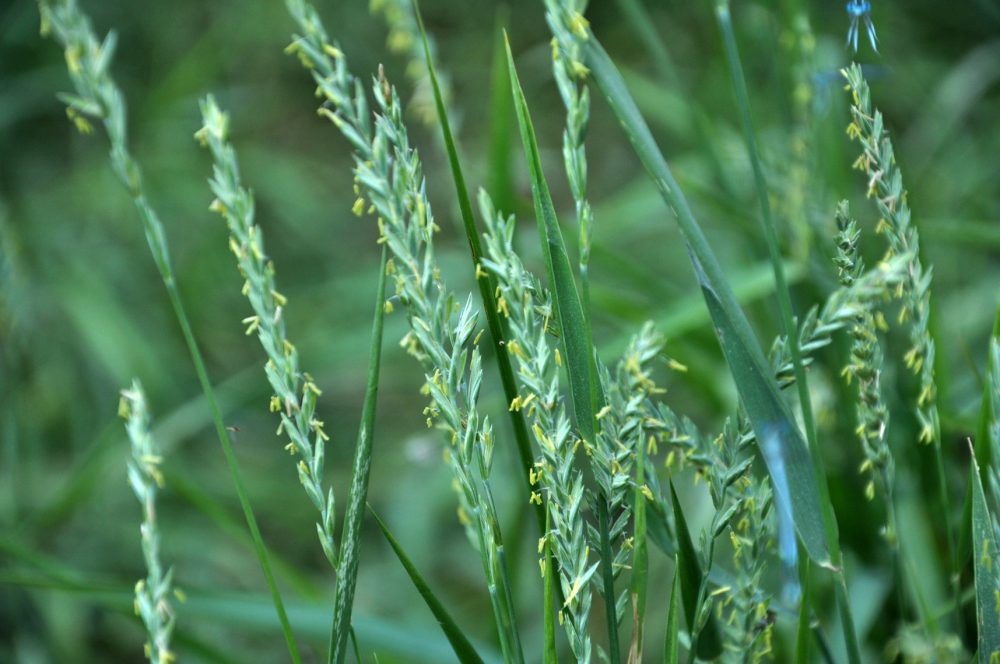
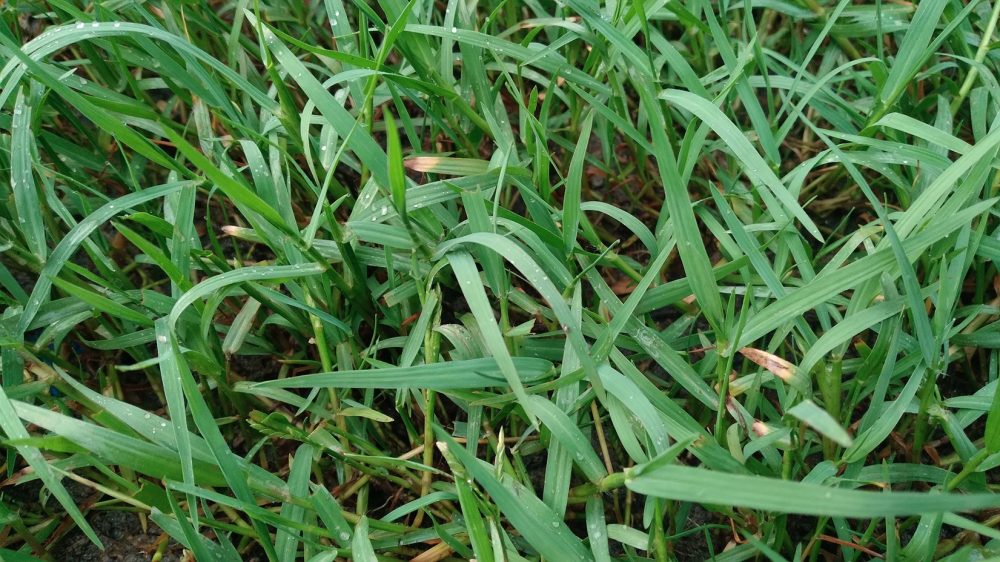
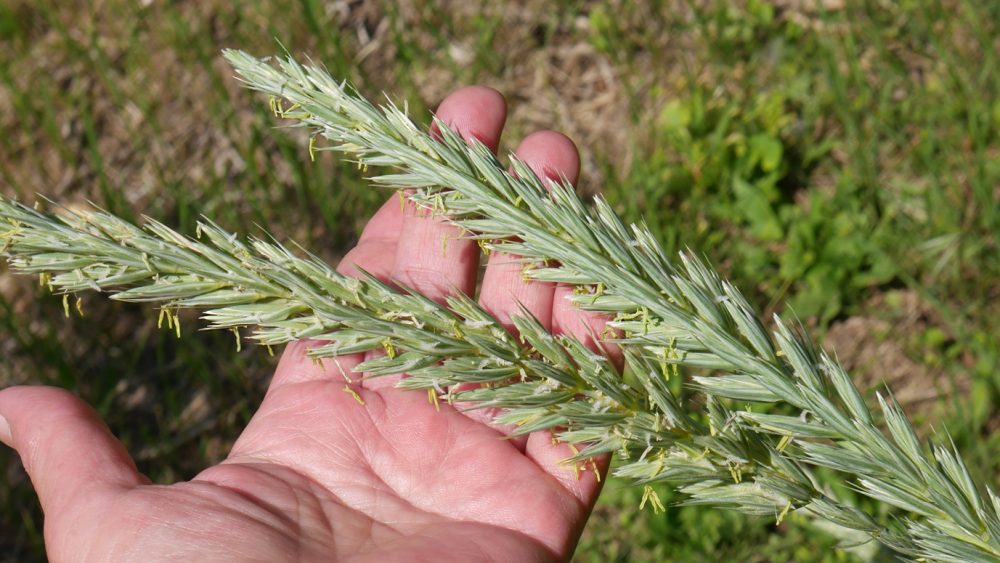
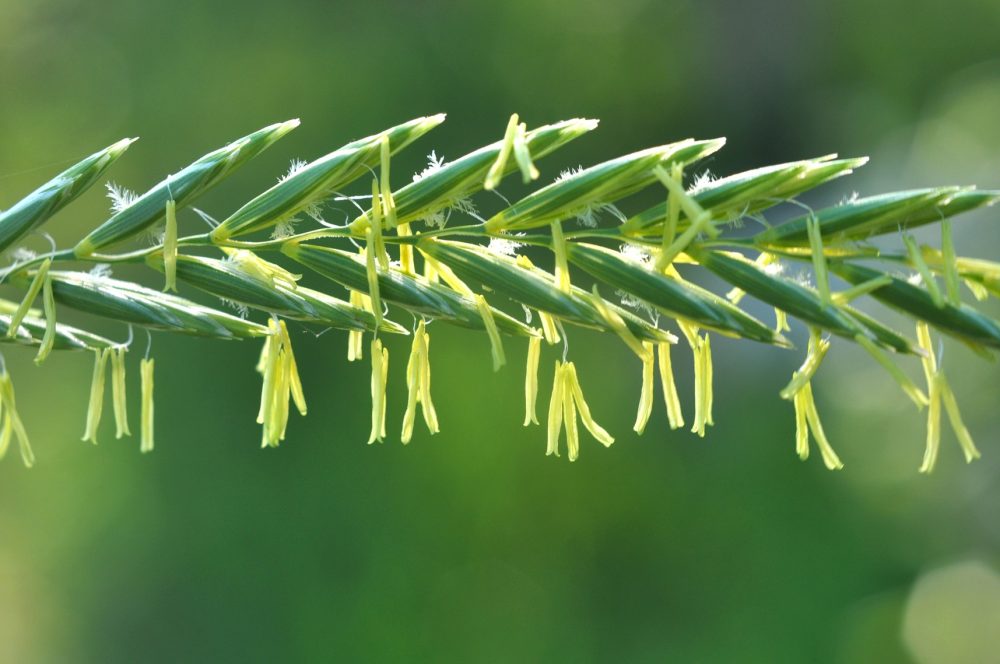
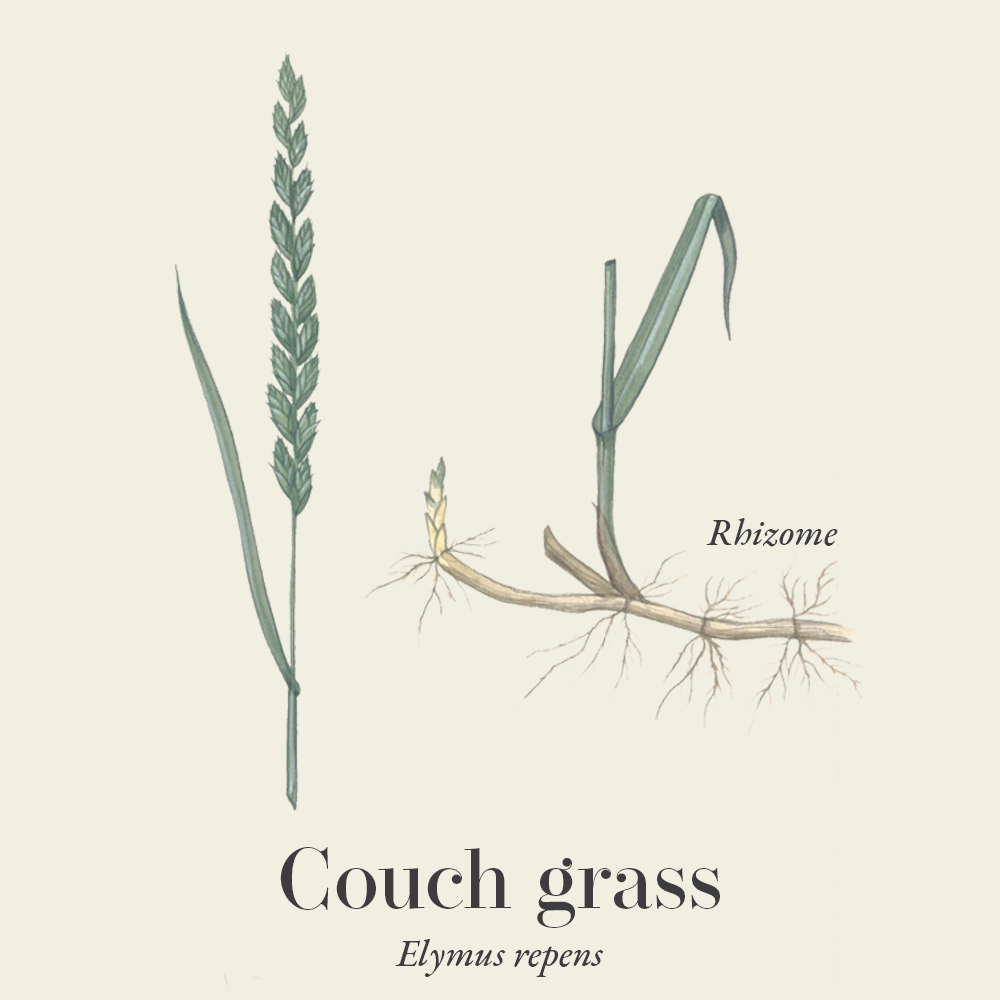
Couch grass is a fast growing, rhizomatous, perennial grass (28). The grass has pale, hairy sheaths on the lower leaves and flat green leaf blades, growing to around 40 cm long (29). It produces upright flower spikes which grow to 120 cm high in late summer (29,30). These densely flowered, two-rowed spikes of flowers, resemble those of rye or beardless wheat, composed of eight or more oval spikelets on alternate sides of the spike (1).
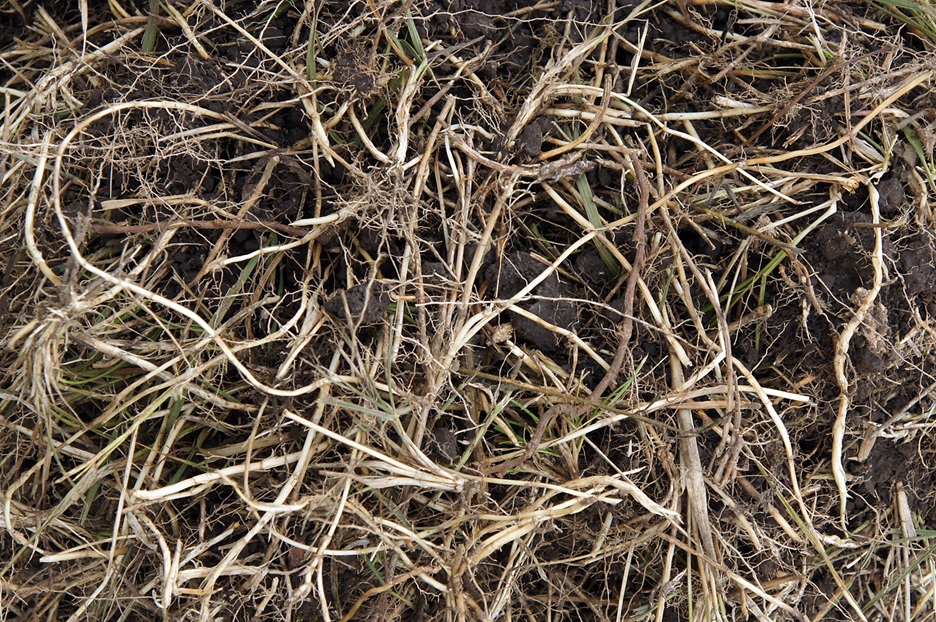
The tiny flowers are yellowish-green, and are followed by golden seeds in early autumn. Each plant forms a dense network of pale yellow or straw-coloured rhizomatous roots, which spread rapidly (29).
-
Common names
- Quack grass
- Quitch grass
- Dog grass
- Triticum
- Creeping wild rye
- Felt
- Lagoon grass
- Scutch
- Shelly grass
- Skally grass
- Squitch grass
- Twitch
- Twitch grass
- Witch grass
-
Safety
There is a lack of clinical safety and toxicity data for couch grass and excessive ingestion should be avoided due to the presence of volatile oils (8). Couch grass should be taken with plenty of fluids to flush out the urinary tract and prevent dehydration from the diuretic action (10).
-
Interactions
None documented, although there is potential for interaction with other medicines administered concurrently, particularly those with similar or opposing effects, largely with reference to diuretics (8). There is a theoretical risk of potassium depletion when used concurrently with potassium-depleting diuretics (2).
-
Contraindications
Avoid in cases of oedema due to heart failure or kidney disease, due to inadequate excretion of salt from its diuretic action (22,25). The use of diuretic herbs may be inappropriate in cases of renal failure and diabetes (20).
Use of the infusion or decoction is not recommended in children under 12 years of age due to a lack of adequate safety data (7). Use of the fluid extract and tincture in children and adolescents under 18 years of age is not recommended as safety has not been established (7).
Avoid in pregnancy due to the limited pharmacological and toxicological data, and only consume when breastfeeding under the guidance of a medical practitioner (7,8,26). Look up qualified medical herbal professionals.
-
Preparations
- Infusion or decoction
- Tincture
-
Dosage
- Tincture (1:5 | 40%): 5–15 ml, three times per day (6,7,8)
- Fluid extract (1:1 | 25%): 3–8 ml, three times per day (6,7,8). Up to 20–40 ml/week (5,27)
- Infusion/decoction: 3–9 g dried root, as an infusion or decoction in 250 ml water, three times per day (6,7,8,22)
-
Plant parts used
Rhizome
-
Constituents
- Polysaccharides: Triticin (a carbohydrate similar to inulin, 8%); inositol, mucilage (10%), mannitol, pectin (1,6,8)
- Flavonoids: Tricin, rutin, hyperoside, and baicaleins (8,26)
- Saponins (8)
- Volatile oils (0.05%)
- Agropyrene (95%)
- Monoterpenes: carvacrol, trans-anethole, carvone, thymol, menthol, menthone and p-cymene and sesquiterpenes (2, 8)
- Other constituents: Glucose, fructose, fixed oil, vanillin, vitamins A and B complex, iron, potassium, zinc, silicic acid (0.34-0.43%) and silica (3,7,8)
-
Habitat
Couch grass is native and widely distributed throughout Europe and North Africa, introduced throughout the Americas, primarily growing in the temperate biome (31). It is broadly distributed, thriving not only in fields and wastelands across Britain and continental Europe, but also extending its range into northern Asia, Australia, and both North and South America (1). It is widespread and appears on disturbed, fertile grassland habitats including waste ground, roadsides, railway banks, arable land and derelict grassland (28). It also grows in coastal areas on sand dunes, shingle, sea-walls and the margins of saltmarshes (28).
-
Sustainability

Not currently on risk lists but complete data may be missing on the status of the species. Read more in our sustainability guide. The Vascular Plant, Red Data List, for Great Britain categorises couch grass as least concern (LC) since it is widespread and abundant (33). A species is ‘least concern’ when it has been evaluated against the criteria and does not qualify for critically endangered, endangered, vulnerable or near threatened (33).
Couch grass has not be assessed by the International Union for Conservation of Nature (IUCN)
And therefore does not have a globally recognised conservation status ranking and does not appear on the IUCN red list database (32). It is not listed under the U.S. Endangered Species Act or by the Committee on the Status of Endangered Wildlife in Canada (COSEWIC), and does not appear on the United Plant Savers list of threatened species (35, 36).
Couch grass is not listed by the Convention on International Trade in Endangered Species of Wild Fauna and Flora (CITES), with no legislation regarding trade of the species (34).
Habitat loss and over-harvesting from the wild are two of the biggest threats faced by medicinal plant species. There are an increasing number of well-known herbal medicines at risk of extinction. We must, therefore, ensure that we source our medicines with sustainability in mind.
The herb supplement industry is growing at a rapid rate and until recent years a vast majority of medicinal plant produce in global trade was of unknown origin. There are some very real and urgent issues surrounding sustainability in the herb industry. These include environmental factors that affect the medicinal viability of herbs, the safety of the habitats that they are taken from, as well as the welfare of workers in the trade.
The botanical supply chain efforts for improved visibility (transparency and traceability) into verifiably sustainable production sites around the world is now certificated through the emergence of credible international voluntary sustainability standards (VSS).
Read our articles on How to substitute endangered herbs, Herbal quality & safety: What to know before you buy and Sustainable sourcing of herbs to learn more about what to look for and questions to ask suppliers about sustainability.
-
Quality control
Herbal medicines are often very safe to take; however, their safety and efficacy can be jeopardised by quality issues. So, it is important to buy herbal medicines from a reputable supplier, from sources known to test their herbs to ensure there is no contamination, adulteration or substitution with incorrect plant matter, as well as ensuring that recognised marker compounds are at appropriate levels in the herbs.
Some important quality assurances to look for are certified organic labelling, the correct scientific/botanical name, and the availability of information from the supplier about ingredient origins. A supplier should be able to tell you where the herbs have come from, what contaminants are not in the herb, and what the primary compounds are.
-
How to grow
Couch grass is invasive and spreads rapidly by rhizome and seed, so caution is warranted if introducing this to a herb garden, although it provides an excellent lawn (29). It forms a dense rhizome network which can help to stabilise soil, but it competes aggressively with other plants (18). Consequently, it is often targeted for control in agriculture and horticulture due to its invasiveness upon crops and native flora.
Herbalist Lucy Jones describes couch grass as an exuberant plant that needs to be confined to keep it from taking over a herb garden (15). She suggested growing it in a barrel of compost, making harvesting easy as it is simply tipped out to remove the rhizomes, replacing the compost back in the barrel for next year’s crop (15).
The rhizomes can be harvested at any time of the year, but are best in spring or autumn, before or after the above-ground growth phase (18).
-
Recipe

Couch grass rhizome (Elymus repens) Couch grass decoction recipe*
This soothing decoction is diuretic, demulcent, and mild anti-inflammatory for urinary tract conditions such as cystitis, gravel, and kidney irritation.
Ingredients
- 1 ounce (approx. 28 g) of dried couch grass rhizomes
- 1 pint (approx. 500 ml) of water
How to make a couch grass decoction
- Chop the dried rhizomes into small pieces if not already prepared.
- Add the rhizomes to cold water in a saucepan.
- Bring to a boil, then reduce heat and simmer gently for 15–20 minutes.
- Strain the liquid and discard the plant material.
- Drink 1/2 cup (approx. 120 ml) up to three times daily.
* from Grieve — A Modern Herbal (1)
-
References
- Grieve M, Leyel CF, Marshall M. A Modern Herbal. the Medicinal, Culinary, Cosmetic and Economic Properties, Cultivation and Folk-Lore of Herbs, Grasses, Fungi, Shrubs & Trees with All Their Modern Scientific Uses. Dover Publications; 1982.
- Hoffmann D. Medicinal Herbalism, The Science and Practice of Herbal Medicine. Healing Arts Press; 2003.
- McIntyre, A. The Complete Herbal Tutor: The Definitive Guide to the Principles and Practices of Herbal Medicine. Aeon Books, 2019.
- Mars, B. The Desktop Guide to Herbal Medicine. Basic Health Publications Inc; 2007.
- Thomsen M. The Phytotherapy Desk Reference: 6th Edition. 6th ed. Aeon Books; 2022.
- The British Pharmaceutical Codex 1911. The Council of the Pharmaceutical Society of Great Britain. Reprinted on Henritttas Herbpages. Accessed October 25, 2025. https://www.henriettes-herb.com/eclectic/bpc1911/agropyrum.html
- European Committee on Herbal Medicine Products (HMPC). Agropyri repentis rhizoma (Couch Grass Rhizome)- herbal medicinal product: European Medicines Agency. Accessed: 30 October, 2025. https://www.ema.europa.eu/en/medicines/herbal/agropyri-repentis-rhizoma
- Barnes J, Anderson, LA and Phillipson, JD. Herbal medicines: a guide for healthcare professionals: Third Edition. Pharmaceutical press; 2007.
- Fandino W. Understanding the physiological changes induced by mannitol: from the theory to the clinical practice in neuroanaesthesia. Journal of Neuroanaesthesiology and Critical Care. 2017;4(03):138-46.
- Al-Snafi AE. Chemical constituents and pharmacological importance of Agropyron repens–A review. Research Journal of Pharmacology and Toxicology. 2015;1(2):37-41. https://doi.org/10.5958/0973-9130.2019.00231.7
- Zhou, Tian-Biao, and Zong-Pei Jiang. Systematic Review of the Role of Mannitol in Renal Diseases. American Journal of Medicine Studies 2.2;2014: 31-33.
- Ellingwood F. The American Materia Medica, Therapeutics and Pharmacognosy; 1919. Reprinted on Henritttas Herbpages. Accessed October 25, 2025. https://www.henriettes-herb.com/eclectic/ellingwood/agropyron.html
- Alosy BD, Thakir EM, Khalaf SA. Role of Agropyron Repens Extract in Treatment Renal Calculus in Pediatric Group. Indian Journal of Forensic Medicine & Toxicology. 2019 Jul;13(3):410-414.
- Wood M. The Earthwise Herbal Volume 1: A Complete Guide to New World Medicinal Plants. North Atlantic Books; 2008.
- Jones, L. A Working Herbal Dispensary: respecting herbs as individuals. Aeon; 2023.
- Culpeper N. Culpepers’ Complete Herbal: a book of natural remedies for ancient ills [1653]. Wordworth Reference; 1995.
- British Herbal Pharmacopoeia. British Herbal Medicine Association, 1983. Available from: https://archive.org/details/britishherbalpha0000unse/page/16/mode/2up?q=agropyron. Accessed October 27, 2025
- Burton-Seal J. and Seal M. Hedgerow Medicine: harvest and make your own herbal remedies. Merlin Unwin Books; 2014.
- Hill J. The Family Herbal; 1812. Reprinted on Henritttas Herbpages. Accessed October 26, 2025. https://www.henriettes-herb.com/eclectic/hill/couch-grass.html
- Bone K and Mills S. Principles and Practice of Phytotherapy: Modern Herbal Medicine. Elsevier Health Sciences; 2013.
- Stableford, A. The Handbook of Constitutional and Energetic Herbal Medicine. Aeon; 2020.
- Blumenthal M, Busse WR. Couch Grass. In: The Complete German Commission E Monographs: Therapeutic Guide to Herbal Medicines. American Botanical Council; 1999. Accessed October 28, 2025. https://www.herbalgram.org/resources/commission-e-monographs/monograph-approved-herbs/couch-grass/
- Hautmann C, Scheithe K. Fluid extract of Agropyron repens for the treatment of urinary tract infections or irritable bladder. Results of multicentric post-marketing surveillance. Zeitschrift für Phytotherapie. 2000; 21(5), 252-255. https://www.cabidigitallibrary.org/doi/full/10.5555/20003014946
- Sountoulides P, Mutomba WF, Daniel G, Pagalidou E, Baniotis P, Pyrgidis N, Mykoniatis I, Langas G, Dimitriadis G. Results of the effect of a food supplement containing Agropyronrepens, Mannitol and Magnesium on upper urinary tract stone volume and surface compared to placebo: The AMMOS study. European Urology. 2024;85:S1226-7. https://doi.org/10.1016/S0302-2838(24)00976-X
- Brinker, FJ. Herbal Contraindications & Drug Interactions: Plus Herbal Adjuncts with Medicines. Eclectic Medical Publications, 2010.
- Natural Medicines Professional Database (NatMed). Therapeutic Research Centre. Couch Grass Professional Monograph. Published September 12, 2024. Accessed October 30, 2025. https://naturalmedicines.therapeuticresearch.com/
- Bone K. The Ultimate Herbal Compendium: a desktop guide for herbal therapists. Phytotherapy Press; 2007.
- Leach SJ and Pearman DA. Elymus repens (L.) in BSBI Online Plant Atlas. Published 2020. Accessed October 25, 2025. https://plantatlas2020.org/atlas/2cd4p9h.7mm1xp
- Royal Horticultural Society. Elymus repens: couch grass. Accessed October 25, 2025. https://www.rhs.org.uk/plants/6342/elymus-repens/details
- Blamey M, Fitter R, Fitter AH. Wild Flowers of Britain and Ireland: 2Nd Edition. A & C Black; 2013.
- Royal Botanical Gardens Kew (RBGK). Elymus repens (L.) Gould. Plants of the Word Online (POWO). Accessed October 25, 2025. https://powo.science.kew.org/taxon/urn:lsid:ipni.org:names:90320-2#synonyms
- IUCN. IUCN red list of threatened species. Accessed October 25, 2025. https://www.iucnredlist.org/search
- Cheffings C, Farrell L, (eds), Dines, T.D., Jones, R.A., Leach, S.J., McKean, D.R., Pearman, D.A., Preston, C.D., Rumsey, F.J., Taylor, I. The Vascular Plant Red Data List for Great Britain. Species Status No. 7. Joint National Conservation Committee. 2005. Accessed October 25, 2025. https://hub.jncc.gov.uk/assets/cc1e96f8-b105-4dd0-bd87-4a4f60449907
- Convention on International Trade in Endangered Species of Wild Fauna and Flora (CITES). Accessed October 25, 2025. https://checklist.cites.org/#/en
- NatureServe explorer 2.0. Natureserve.org. Accessed October 25, 2025. https://explorer.natureserve.org/Taxon/ELEMENT_GLOBAL.2.127983/Elymus_repens
- UpS list of herbs & analogs. United Plant Savers. Published May 14, 2021. Accessed October 25, 2025. https://unitedplantsavers.org/ups-list-of-herbs-analogs/