

Last reviewed 01/07/2020
Sustainability status
Not currently on risk lists but complete data may be missing on the status of the species. Read more in our sustainability guide.

Contraindications
A contraindication refers to a situation in which a herb should be avoided as it may exacerbate a medical condition or pose undue risk. Contraindications may arise through pharmacodynamic mechanisms (e.g., liquorice in uncontrolled hypertension or uterine stimulants during pregnancy) or pharmacokinetic effects that alter metabolism, absorption or elimination (e.g., tannin-rich herbs in iron-deficient anaemia).
In some cases, herbal actions may aggravate underlying pathologies (e.g., the use of bitter herbs in GERD). Recognition of contraindications requires thorough assessment of patient history, co-morbidities and medications. Consultation with a qualified medical herbalist will provide guidance to ensure safe and appropriate prescribing.
Please read the Contraindications section in this monograph.

-
Herb overview
Safety
Avoid with anticoagulant/antiplatelet medication or prior to surgery.
Sustainability
At risk/Amber
FairWild certified sources availableKey constituents
Flavonoids (anthocyanins)
Phenolics
TanninsQuality
Northern Europe — Scandinavia, Poland, Lithuania
Mostly wild harvested
Risk of adulteration with colourants or substitution with cultivated blueberryKey actions
Anti-inflammatory
Astringent
Neuroprotective
AntihyperlipidaemicKey indications
Inflammatory bowel disease
Cardiovascular disease
Diabetes
High cholesterolKey energetics
Drying
CoolingPreperation and dosage
Berries
Tincture (1:5 | 25%): 5–10 ml per day.
Infusion/decoction: Take 6–12 g dried berries daily.
~8 g fresh bilberries per day
-
How does it feel?
Bilberries are similar to blueberries in their taste profile. The rich blue-purple colour of these berries, resulting from the anthocyanin constituents, is indicative of their health properties. Upon tasting, they are initially sharp or slightly tart, suggestive of the rich vitamin C content, followed by a sweeter flavour and an astringent action in the mouth, which denotes the presence of tannins in the berries.

-
Into the heart of bilberry
Bilberries are cooling, astringing and nutritive with a strong affinity for the cardiovascular system. Their cooling action makes them useful in moving heat and inflammation present in many chronic diseases. The astringent properties help to tonify tissues and alleviate congestion.
Bilberries are a rich source of polyphenols, offering protection from free radical damage and chronic inflammation, as well as improving tissue repair (1,5). Bilberries also contain phenolic acids, which contribute to its anti-inflammatory and antioxidant effects (7). As bilberry acts directly on the capillaries, it helps to attenuate the inflammatory process within the capillary walls and protects them from free radical damage, helping to reduce the risk of atherosclerosis and arteriosclerosis (8,9).
-
What practitioners say
 Cardiovascular system
Bilberry’s anthocyanins help to reduce oxidative stress and reduce inflammatory processes within the vascular endothelium, helping to reduce the risk of cardiovascular diseases (10,11). Bilberry reduces total cholesterol and LDL whilst increasing HDL, helping to support dyslipidaemia, atherosclerosis and reduce risk factors in chronic diseases (12).
As well as having shown to inhibit platelet aggregation, bilberry has an antihypertensive effect (4). For chronic venous insufficiency resulting in varicose veins or oedema in the extremities, bilberry is able to decrease vascular permeability and increase vascular tone (9).
These actions also contribute to supporting retinal health, visual acuity and eye health. It can be used to treat tired eyes, poor vision and protect against macular degeneration and cataracts (1,12).
Nervous system
Bilberry offers a neuroprotective effect, as a result of its high polyphenol and anthocyanin content, and protection from neurodegenerative diseases and cognitive decline (13). By improving capillary function and reducing the permeability of the blood-brain barrier (BBB) bilberry offers protection to the brain from inflammation (13).
Bilberry is also supportive in instances where there is damage to the nervous system due to hypertension and diabetes, which can manifest as retinopathy or retinal degeneration (1).
Digestive system
Bilberry can reduce inflammation in the digestive tract, and as such may be used for support with irritable bowel syndrome (IBS) and inflammatory bowel disease (IBD). The tannin content also indicates it for the treatment of diarrhoea and accompanying gastric discomfort or nausea (1,9). Due to the pectin content of the berries, they can also act as a bulk laxative.The fresh berries are considered best for laxative effects, and the dried for diarrhoea.
-
Bilberry research

Bilberry (Vaccinium myrtillus) Investigating the effects of Vaccinium myrtillus supplementation on cardiometabolic indices: A systematic review and meta-analysis
This meta-analysis reviewed 11 randomised clinical trials (RCTs) involving 409 participants to assess the effect of bilberry supplementation on cardiometabolic health including lipid profiles, glycaemic control, inflammatory markers, oxidative stress and body composition. The trials included various bilberry supplementation for at least one week across a range of doses. The results found five trials showed a decrease in fasting blood glucose levels; three observed a reduction in HbA1c and five found a reduction in LDL cholesterol (11).
Efficacy and safety of anthocyanin-rich extract in patients with ulcerative colitis: A randomised controlled trial
This RCT investigated the effect of an anthocyanin-rich extract (ACRE) made from bilberries on moderate to severe ulcerative colitis. The extract was given at a dose of between 800–1000 mg of anthocyanins daily, administered orally in equal doses three times daily. The patients were randomised, with 18 receiving ACRE and eight receiving placebo. The severity of UC was measured by Mayo scores of between 6–12.
The results showed 50% of the ACRE patients showed a reduction in three points on the Mayo score compared to 37.5% in the placebo group. Overall, 77.8% of the patients in the ACRE showed improved Mayo scores compared to placebo (62.5%). There were no major safety concerns noted, and side effects were rare. The trial concluded longer and larger trials are required to confirm the effects, but the results are promising (14).
A 12-week-long intake of bilberry extract (Vaccinium myrtillus L.) improved objective findings of ciliary muscle contraction of the eye: A randomised, double-blind, placebo-controlled, parallel-group comparison trial
This trial was carried out to examine the effects of a long term standardised bilberry extract (SBE) on ciliary muscle contraction of the eye caused by visual display terminal tasks (VDT). There were a total of 109 participants who were randomised into SBE and placebo groups. They were administered 240 mg of either SBE or placebo once a day over the course of 12 weeks. Tests were carried out before and after VDT tasks at weeks 0, 4, 8 and 12. The results showed that values were significantly improved in the SBE group when compared to placebo. This study concluded that long term oral consumption of the SBE extract relieved tonic accommodation and reduced eye strain through allowing the ciliary muscle to relax (6).
-
Historical use of bilberry
Bilberry fruit has been used as an astringent healing remedy, topically for haemorrhoids and vaginal inflammations, and internally for diarrhoea, dysentery, and gastrointestinal inflammation. Described as an astringent and absorptive for a hot digestive tract, it was also commonly used to alleviate acute vomiting and general digestive upset. Topically, it was used as a mouthwash and gargle for inflammations and ulcerations of the mouth.
Bilberry has a reputation for drying breast milk. The fruit has also been used to treat scurvy (well-justified by its constituents), and like its relative the cranberry, for urinary complaints. Bilberry was also used in Europe to colour wine and to dye wool (10).
-
Bilberry’s herbal actions
Herbal actions describe therapeutic changes that occur in the body in response to taking a herb. These actions are used to express how a herb physiologically influences cells, tissues, organs or systems. Clinical observations are traditionally what have defined these actions: an increase in urine output, diuretic; improved wound healing, vulnerary; or a reduction in fever, antipyretic. These descriptors too have become a means to group herbs by their effects on the body — herbs with a nervine action have become the nervines, herbs with a bitter action are the bitters. Recognising herbs as members of these groups provides a preliminary familiarity with their mechanisms from which to then develop an understanding of their affinities and nuance and discern their clinical significance.
-
Bilberry’s energetic qualities
Herbal energetics are the description that herbalists have given to plants, mushrooms, lichens, foods and some minerals based on the direct experience of how they taste, feel and effect the body. All traditional health systems use these principles to explain how the environment impacts health, according to each of their philosophies and frameworks. These assessments of individual herbs, though often do align, can differ from one another. Find out more about traditional energetics in our article An introduction to herbal energetics.
Western energetics
Western energetics here are informed by The Energetics of Western Herbs by Peter Holmes, as well as traditional materia medica from Culpeper and Dioscorides.
-
What can I use bilberry for?

Bilberry (Vaccinium myrtillus) Bilberry is a traditional choice for supporting the microvasculature and improving peripheral circulation. It can be used as a long-term supplement for varicose veins, haemorrhoids, slow-healing bruises, and heavy painful legs resulting from poor circulation. In cases of Reynaud’s syndrome, bilberry offers support for capillary fragility and spider veins. Bilberry may also be remedial for cardiovascular health complications, such as diabetes, atherosclerosis and high blood pressure (1,2).
Bilberries are often prescribed to help manage insulin resistance metabolic syndrome, which is a key component in type 2 diabetes (3). The rich antioxidant content helps to reduce chronic inflammation and reduce oxidative stress often seen in obesity, diabetes and metabolic syndrome (4).
In the case of dietary supplementation, the rich fibre content of bilberries strengthens gut barrier function, modulates the gut microflora and contributes to a reduction in intestinal inflammation (5).
Bilberry supports eye health through its effects on the microcirculation and can help to reduce eye fatigue, dryness and discomfort as well as contribute to a reduction in visual impairment (6). This action may be especially relevant to those who are regularly exposed to screens for long periods of time.
-
Did you know?
In World War II, RAF pilots ate bilberry jam to improve their night vision (15).



-
Botanical description
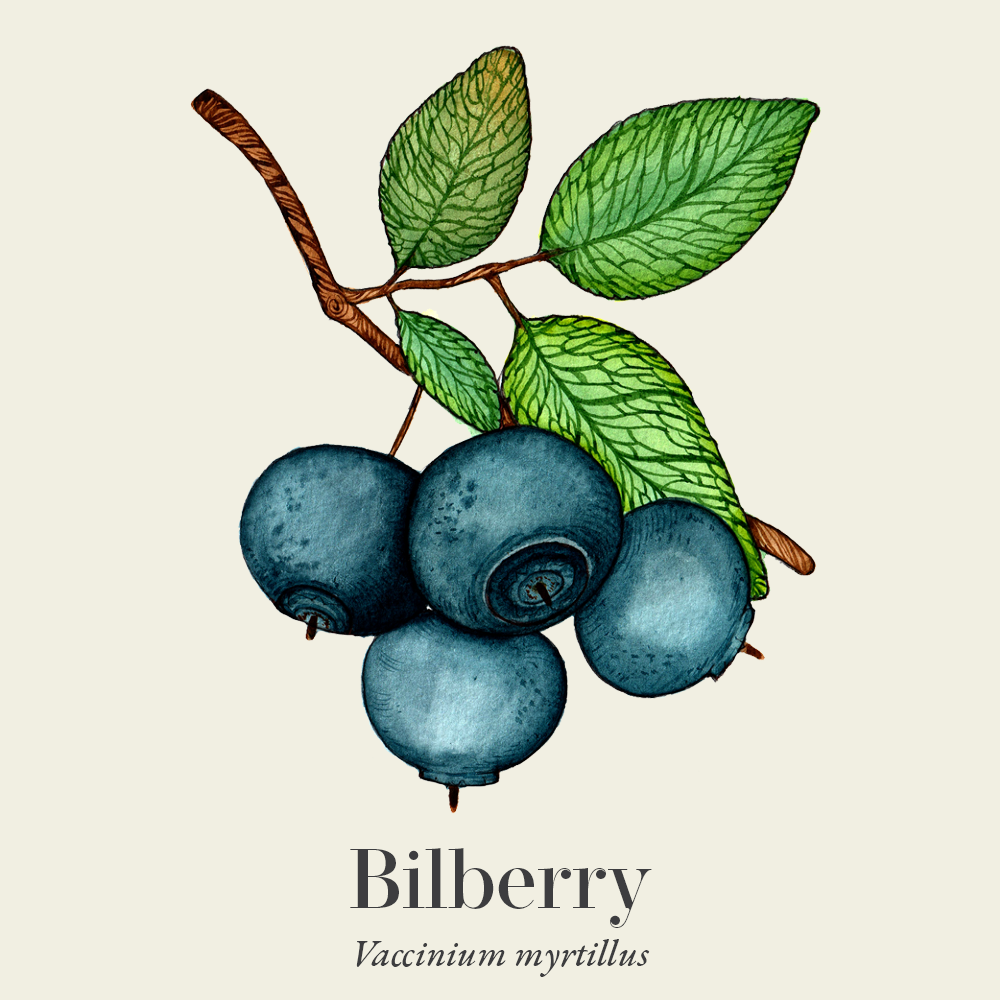
Bilberry (Vaccinium myrtillus), is one of many members of the Ericaceae (heath) family, along with blueberries, cranberries and bearberries (Arctostaphylos uva-ursi). It is particularly closely related to blueberries.
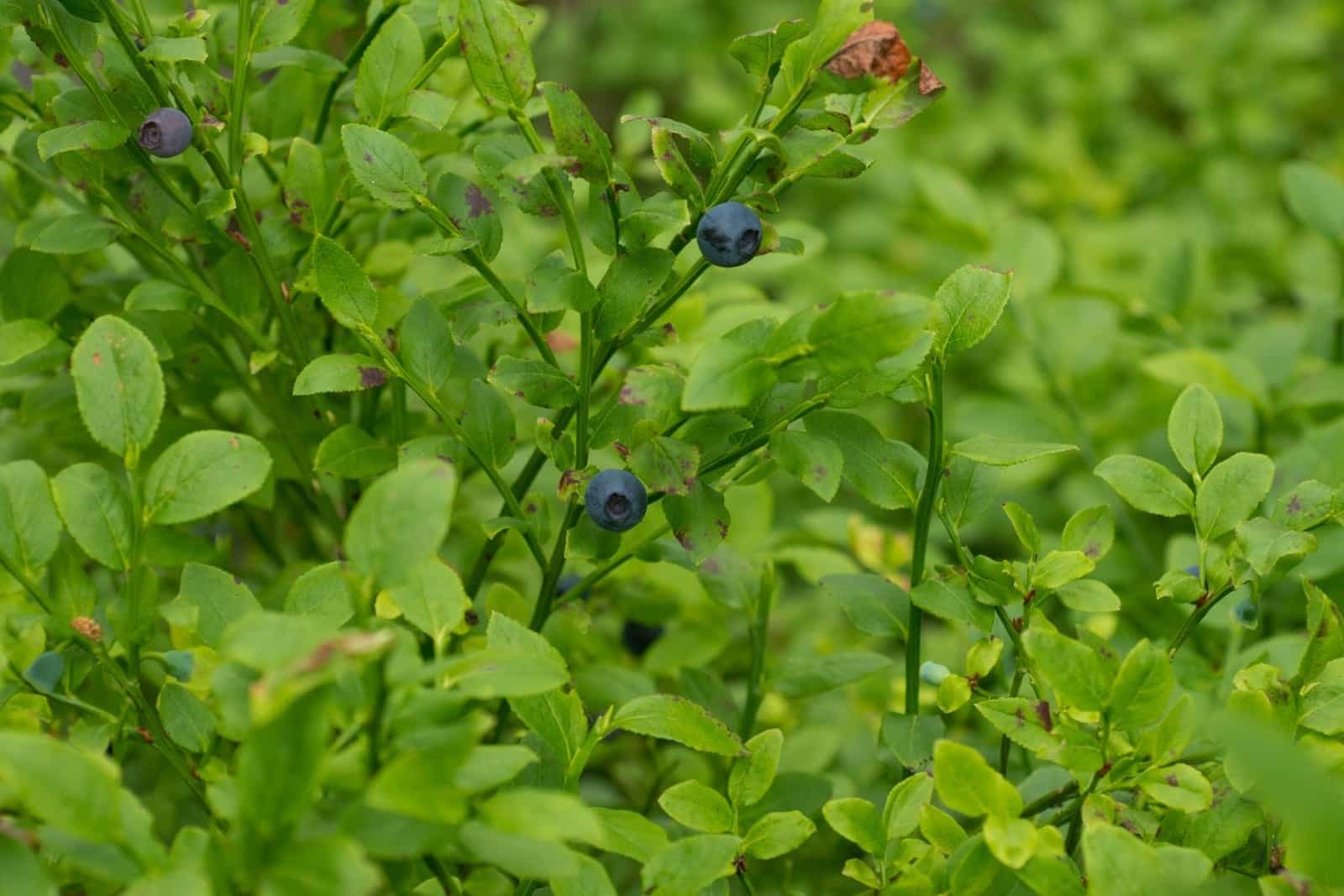
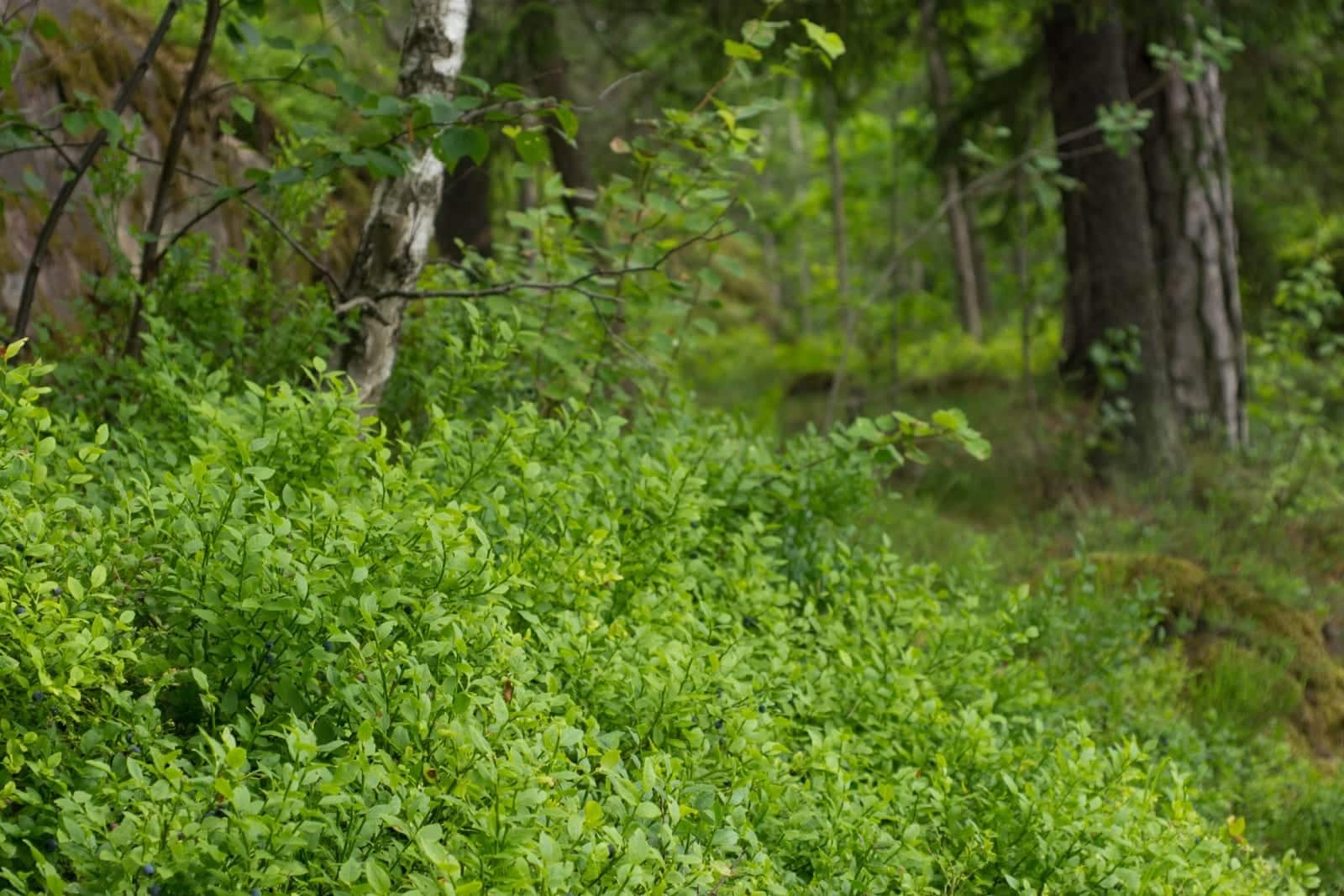
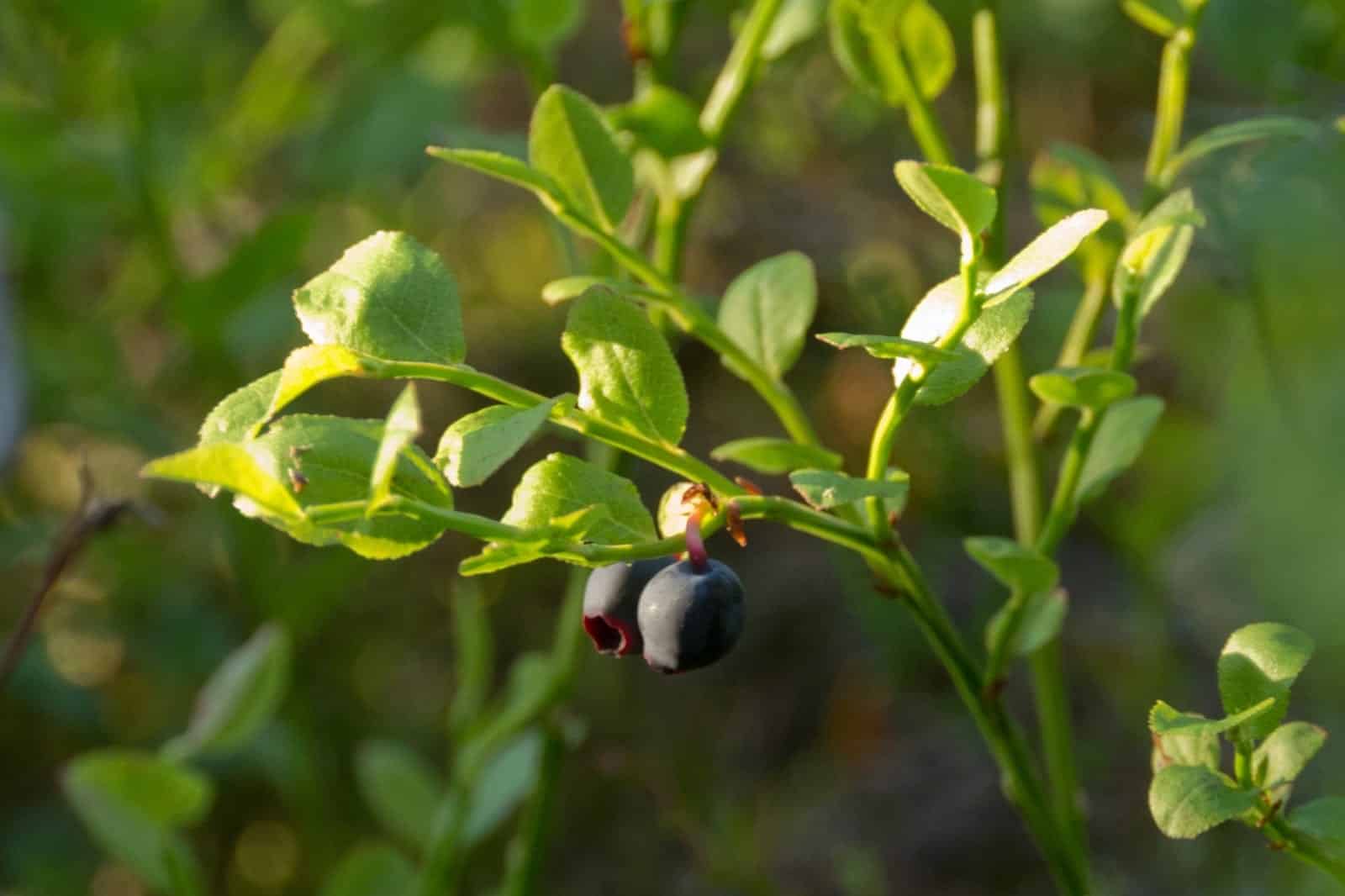
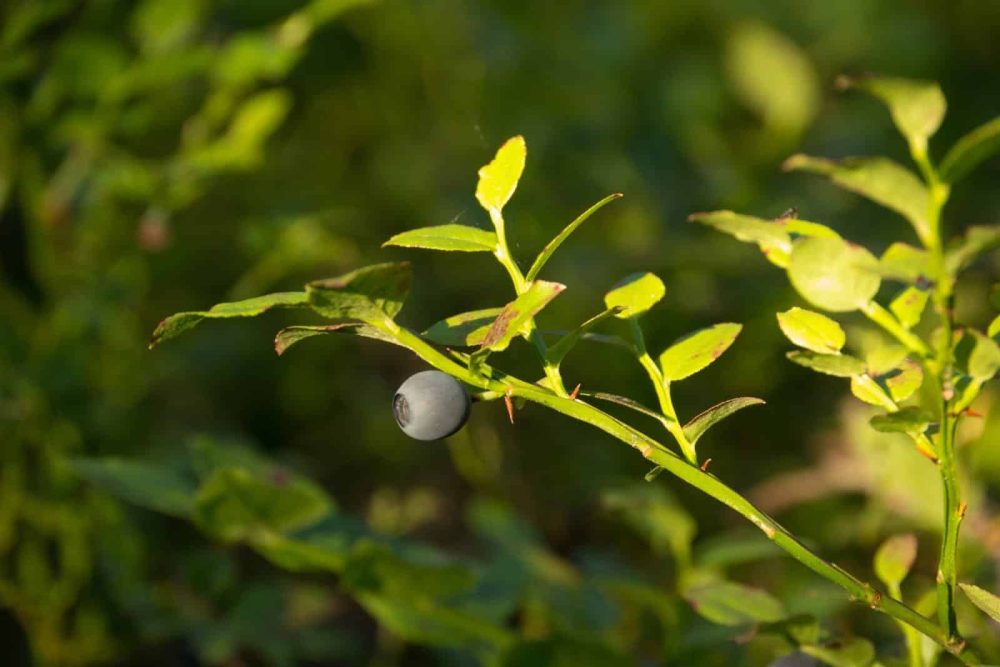
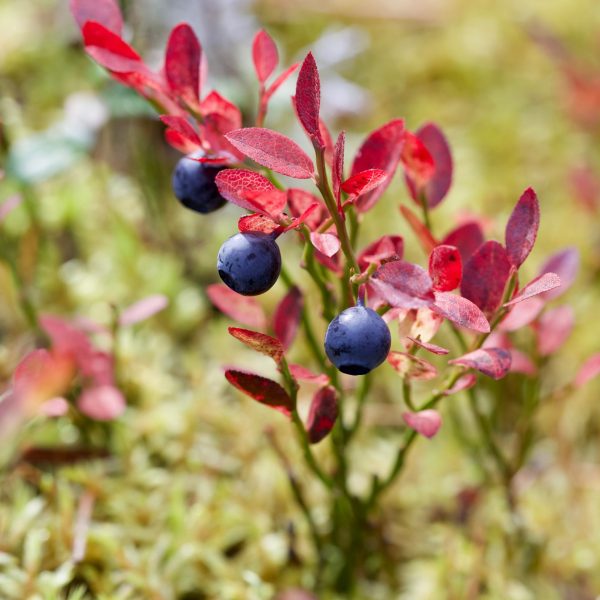
It grows as a low shrub on moorland and mountain ranges, approximately 30–40 cm high with erect, branched flowering stems. Its leaves start as a rose colour, they then turn yellow-green and eventually become a deep red in the autumn. The leaves are very small and ‘leathery’ to the touch and its flowers are a light pink colour and bell shaped, the fruit are a dark purple and similar in size and shape to a blueberry (18).
-
Common names
- Whortleberry
- Whinberry
- Black whortle
- Blueberry
- Whinberry
- Dyeberry (Eng)
- Heidelbeere (Ger)
- Myrtille (Fr)
- Myrtillo (Ital)
-
Habitat
Bilberry is native to Europe, Asia and the Western states of the USA, but wild cultivars are now found across many temperate climates. It prefers acidic, nutrient poor soils including heaths, moorlands and bogs (18).
-
How to grow bilberry
Bilberry will thrive in acidic soil (between 4.5 and 5.5 pH) and moderate temperature with plenty of light. It prefers well draining, loamy or sandy soils rich in peat and does not tolerate waterlogging. It can be propagated by seed or semi hardwood cuttings.
Propagation works best in the spring, and cuttings should be placed in moist, well draining acidic compost whilst seeds should be sown into acidic compost and watered consistently. When planting out, make sure to use ericaceous compost and mulch with bark chips or leaf mould to retain moisture. Avoid over fertilising, as this will cause the leaves to grow in place of the fruit.
The berries are harvested from late summer to early autumn when fully ripe (21).

-
Herbal preparation of bilberry
- Fresh or dried berries
- Dried powdered
- Capsules
- Tincture
-
Dosage
- Tincture (1:5 | 25%): 5–10 ml per day
- Fluid extract (1:1 | 25%): Take 3–6ml per day
- Infusion/decoction: Take 2–4 g three times daily
- Other preparations: The equivalent of 3 g fresh bilberries two to four times per day, or between 320–480 mg per day of an extract containing 36% anthocyanin content (2,16).
-
Constituents
- Flavonoids: Anthocyanins (0.1–0.25%) of 15 different types, catechin, epicatechin, procyanidins, quercetin, myricatin
- Phenolics: Phenolic acids — hydroxycinnamic acid derivatives including ferulic, p-coumaric, caffeic and chlorogenic acids; polyphenols — trans-resveratrol
- Alkaloids: Quinolizidine types including myrtine and epimyrtine
- Volatile oils: Methyl salicylate, farnesol, vanillin, myristicin and citronellol
- Tannins: Condensed tannins
- Iridoid glucosides: Monotropein
- Fruit acids, sugars, pectin, hydoxy-fatty acids
- Carotenoids and sterols (17)
-
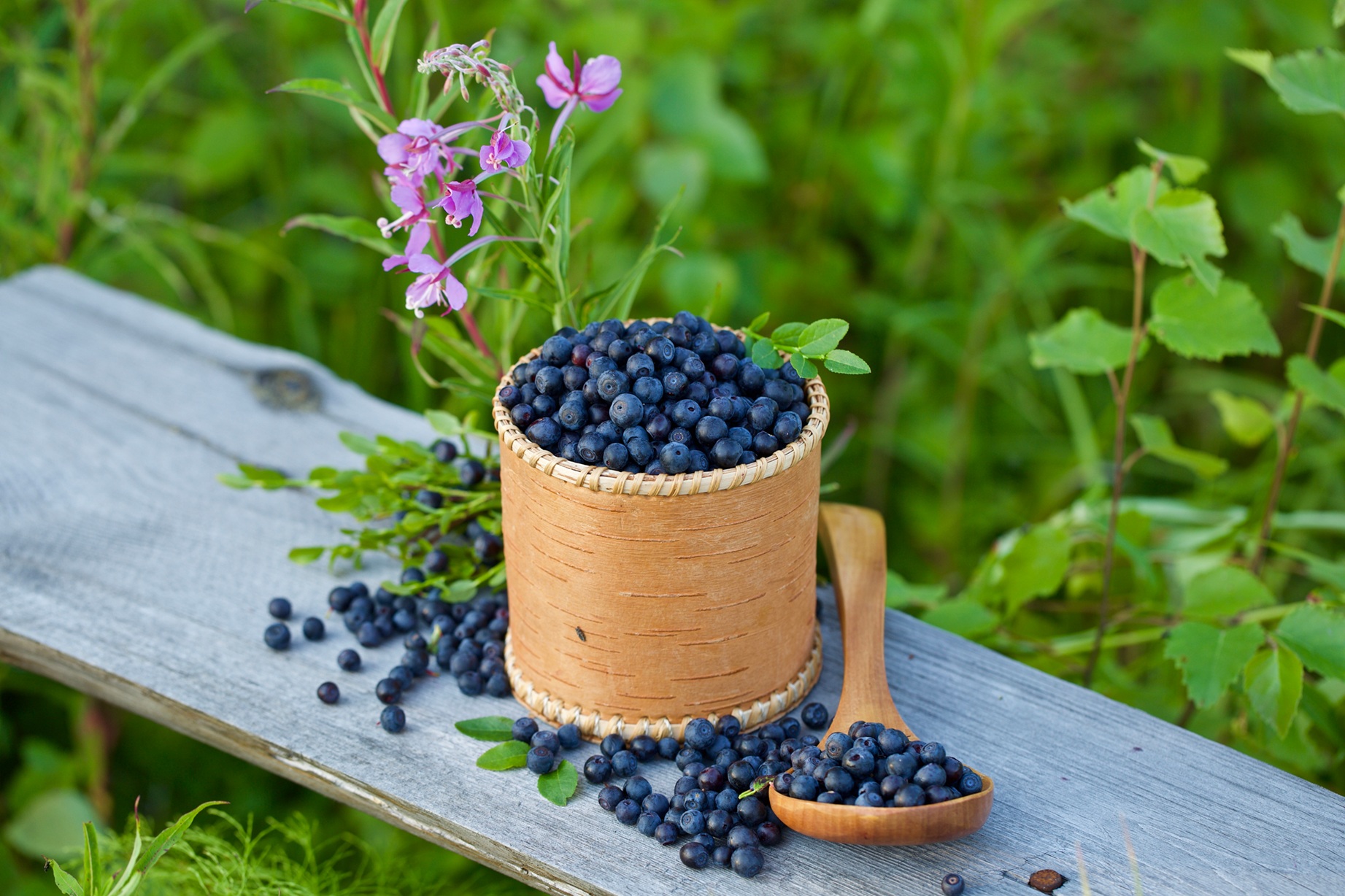
Bilberry recipe
Bilberry jam
This bilberry jam recipe is a simple and delicious recipe that can be made using freshly foraged bilberries.
Ingredients
- 600 g fresh bilberries
- 400 g organic granulated sugar
- 1 tablespoon freshly squeezed lemon juice
How to make bilberry jam
- Firstly sterilise the jam jars and set aside.
- Wash the bilberries thoroughly.
- Place the bilberries, sugar and lemon juice in a saucepan.
- Heat the mixture gently over a medium heat and stir regularly to dissolve the sugar.
- Crush the berries using a potato masher.
- Gently increase the heat and bring the mixture to the boil, and boil for 15 minutes, stirring constantly to prevent any burning or sticking.
- Remove the mixture from the heat and let it cool for a few minutes.
- Pour the jam into the sterilised jars, seal immediately and allow the jam to cool to room temperature.
- Store in a cool, dry place and keep in the fridge once it has been opened.

-
Safety
It is recommended to discontinue taking bilberry two weeks prior to surgery due to potential antiplatelet effects (16). The leaves can be toxic due to the presence of hydroquinones and should not be consumed (16,17). Bilberry is safe to use in small amounts or those found in food during pregnancy and lactation (17). No significant adverse effects from taking bilberry are expected, although a small minority of people may experience gastric irritation (1,17).
-
Interactions
Theoretically, bilberry may increase the risk of bleeding when combined with anticoagulant or antiplatelet drugs such as warfarin (2,16,17). It may also increase the risk of hypoglycaemia when combined with antidiabetic medication (17).
-
Contraindications
None known (1,2,16,17)
-
Sustainability status of bilberry
According to the IUCN Red List, bilberry has been assessed in Europe and is currently classed as ‘Least Concern’ (19). Bilberry is predominantly wild harvested for food and medicine, and climate change poses a significant threat to its habitat due to temperature changes and soil types. As a result it is important to check with suppliers that sustainable methods of wild harvesting are being used to to protect the species from overharvesting (20)
Habitat loss and over-harvesting from the wild are two of the biggest threats faced by medicinal plant species. There are an increasing number of well-known herbal medicines at risk of extinction. We must, therefore, ensure that we source our medicines with sustainability in mind.
The herb supplement industry is growing at a rapid rate and until recent years a vast majority of medicinal plant produce in global trade was of unknown origin. There are some very real and urgent issues surrounding sustainability in the herb industry. These include environmental factors that affect the medicinal viability of herbs, the safety of the habitats that they are taken from, as well as the welfare of workers in the trade.
The botanical supply chain efforts for improved visibility (transparency and traceability) into verifiably sustainable production sites around the world is now certificated through the emergence of credible international voluntary sustainability standards (VSS).
Read our article on Herbal quality & safety: What to know before you buy and Sustainable sourcing of herbs to learn more about what to look for and questions to ask suppliers about sustainability.
-
Quality control
Herbal medicines are often very safe to take; however, their safety and efficacy can be jeopardised by quality issues. So, it is important to buy herbal medicines from a reputable supplier, from sources known to test their herbs to ensure there is no contamination, adulteration or substitution with incorrect plant matter, as well as ensuring that recognised marker compounds are at appropriate levels in the herbs.
Some important quality assurances to look for are certified organic labelling, the correct scientific/botanical name, and the availability of information from the supplier about ingredient origins. A supplier should be able to tell you where the herbs have come from, what contaminants are not in the herb, and what the primary compounds are.

-
References
- Mcintyre A. Complete Herbal Tutor : The Definitive Guide to the Principles and Practices of Herbal Medicine (Second Edition). Aeon Books Limited; 2019.
- Thomsen M. Phytotherapy Desk Reference. 6th ed. Aeon Books; 2022.
- Takikawa M, Inoue S, Horio F, Tsuda T. Dietary Anthocyanin-Rich Bilberry Extract Ameliorates Hyperglycemia and Insulin Sensitivity via Activation of AMP-Activated Protein Kinase in Diabetic Mice. The Journal of Nutrition. 2010;140(3):527-533. https://doi.org/10.3945/jn.109.118216
- Chan SW, Tomlinson B. Effects of Bilberry Supplementation on Metabolic and Cardiovascular Disease Risk. Molecules. 2020;25(7):1653. https://doi.org/10.3390/molecules25071653
- Liu HY, Walden TB, Cai D, et al. Dietary Fiber in Bilberry Ameliorates Pre-Obesity Events in Rats by Regulating Lipid Depot, Cecal Short-Chain Fatty Acid Formation and Microbiota Composition. Nutrients. 2019;11(6):1350-1350. https://doi.org/10.3390/nu11061350
- Kosehira M, Machida N, Kitaichi N. A 12-Week-Long Intake of Bilberry Extract (Vaccinium myrtillus L.) Improved Objective Findings of Ciliary Muscle Contraction of the Eye: A Randomized, Double-Blind, Placebo-Controlled, Parallel-Group Comparison Trial. Nutrients. 2020;12(3):600. https://doi.org/10.3390/nu12030600
- Garzón GA, Narváez CE, Riedl KM, Schwartz SJ. Chemical composition, anthocyanins, non-anthocyanin phenolics and antioxidant activity of wild bilberry (Vaccinium meridionale Swartz) from Colombia. Food Chemistry. 2010;122(4):980-986. https://doi.org/10.1016/j.foodchem.2010.03.017
- Vaneková Z, Rollinger JM. Bilberries: Curative and Miraculous – A Review on Bioactive Constituents and Clinical Research. Frontiers in Pharmacology. 2022;13. https://doi.org/10.3389/fphar.2022.909914
- Chu W, Cheung SCM, Lau RAW, Benzie IFF. Bilberry (Vaccinium myrtillus L.). PubMed. Published 2011. https://www.ncbi.nlm.nih.gov/books/NBK92770/
- Association for the Advancement of Restorative Medicine (AARM). Bilberry. Restorative Medicine. Published 2025. https://restorativemedicine.org/library/monographs/bilberry/
- Talebi S, Shirani M, Mahdavi A, Bagherniya M, Sahebkar A. Investigating the Effects of Vaccinium myrtillus Supplementation on Cardiometabolic Indices: A Systematic Review and Meta‐Analysis. Phytotherapy Research. Published online August 2, 2025. https://doi.org/10.1002/ptr.70054
- Habánová M, Saraiva JA, Miroslav Habán, et al. Intake of bilberries (Vaccinium myrtillus L.) reduced risk factors for cardiovascular disease by inducing favorable changes in lipoprotein profiles. Nutrition Research. 2016;36(12):1415-1422. https://doi.org/10.1016/j.nutres.2016.11.010
- Essa M, Al-Adawi S, Memon M, Manivasagam T, Akbar M, Subash S. Neuroprotective effects of berry fruits on neurodegenerative diseases. Neural Regeneration Research. 2014;9(16):1557. https://doi.org/10.4103/1673-5374.139483
- Biedermann L, Doulberis M, Schreiner P, et al. Efficacy and Safety of Anthocyanin-Rich Extract in Patients with Ulcerative Colitis: A Randomized Controlled Trial. Nutrients. 2024;16(23):4197. https://doi.org/10.3390/nu16234197
- Grieve M. A Modern Herbal | Bilberry. Botanical.com. Published 2025. Accessed September 6, 2025. https://www.botanical.com/botanical/mgmh/b/bilber37.html
- Fisher C. Materia Medica of Western Herbs. Aeon Books; 2018.
- TRC Healthcare. NatMed Pro – Ingredient & Therapy Monographs. Therapeuticresearch.com. Published 2025. Accessed September 6, 2025. https://naturalmedicines.therapeuticresearch.com/IngredientsTherapiesMonographs?productid=973
- RHS. Vaccinium myrtillus | common bilberry/RHS Gardening. www.rhs.org.uk. https://www.rhs.org.uk/Plants/18701/Vaccinium-myrtillus/Details
- SK (Cave IS. IUCN Red List of Threatened Species: Bilberry. IUCN Red List of Threatened Species. Published July 12, 2012. https://www.iucnredlist.org/species/201564/14707728
- Wakely P. Bilberry Vaccinium Myrtillus. Climate Change Adaptation Manual: Evidence to support nature conservation in a changing climate
- EarthOne. How To Grow Vaccinium myrtillus. Earthone.io. Published June 2023. Accessed September 6, 2025. https://earthone.io/plant/vaccinium%20myrtillus
Meet our herbal experts
Our monographs are written by our monograph authors and edited, reviewed and updated by Herbal Reality.
Meet our Herbal Reality team or explore our Herbal Reality authors.