








Last reviewed 23/02/2026
Sustainability status
At risk from overharvesting and habitat loss. Read more in our sustainability guide.

Avoid in pregnancy and lactation
Herbs are generally best-avoided in pregnancy, unless working with them under the guidance of a medical herbalist. However, some herbs pose a risk to pregnancy as they are potentially: toxic to the mother, toxic to the neonate, teratogenic (risk developmental malformation), may increase miscarriage risk, or could cause foetal distress leading to miscarriage or premature birth. Herbs with teratogenic, emmenagogue, or stimulant laxative actions are all contraindicated in pregnancy. Furthermore, herbs containing volatile oils, thujone, apiol, phyto-oestrogens also should be avoided.
During lactation, there is the possibility for transfer of plant compounds through the breast milk, which can have an effect (detrimental or beneficial) on the infant.
Please read the Safety section in this monograph.

Drug interactions
Herbs may interact with pharmaceutical medications through both pharmacokinetic and pharmacodynamic mechanisms. Pharmacokinetic interactions involve alterations in the absorption, metabolism, distribution, or excretion of a drug. Many herb–drug interactions occur through liver enzyme modulation: by inducing CYP enzymes — increasing drug concentration and toxicity risk; or by inducing CYP enzymes — decreasing drug concentration and therapeutic efficacy.
Pharmacodynamic interactions occur when herbs and drugs influence the same physiological systems. These interactions can cause synergistic, additive or antagonistic effects at the receptor or tissue level, enhancing or opposing the intended pharmacological action. The clinical consequences of herb-drug interactions can be complex and nuanced. Consultation with a medical professional is, therefore, recommended to ensure safe use and appropriate dosing.
Please read the Interactions section in this monograph.

Contraindications
A contraindication refers to a situation in which a herb should be avoided as it may exacerbate a medical condition or pose undue risk. Contraindications may arise through pharmacodynamic mechanisms (e.g., liquorice in uncontrolled hypertension or uterine stimulants during pregnancy) or pharmacokinetic effects that alter metabolism, absorption or elimination (e.g., tannin-rich herbs in iron-deficient anaemia).
In some cases, herbal actions may aggravate underlying pathologies (e.g., the use of bitter herbs in GERD). Recognition of contraindications requires thorough assessment of patient history, co-morbidities and medications. Consultation with a qualified medical herbalist will provide guidance to ensure safe and appropriate prescribing.
Please read the Contraindications section in this monograph.

-
Herb overview
Safety
Avoid during acute infection and with immunosupressants and antidiabetic medication
Sustainability
Caution: At risk
Key constituents
Triterpenoid saponins: Astragalosides
Polysaccharides
FlavonoidsQuality
Grows in China, Mongolia, Korea
Both wild harvested and cultivated
Risk of low astragaloside IV content and heavy metalsKey actions
Immunomodulant
Adaptogenic
Lung tonic
Anti-inflammatoryKey indications
Asthma
Post-viral fatigue
Respiratory infection
Rheumatoid arthritisKey energetics summary
Warm
Sweet
Moistening
TonifyingPreperation and dosage
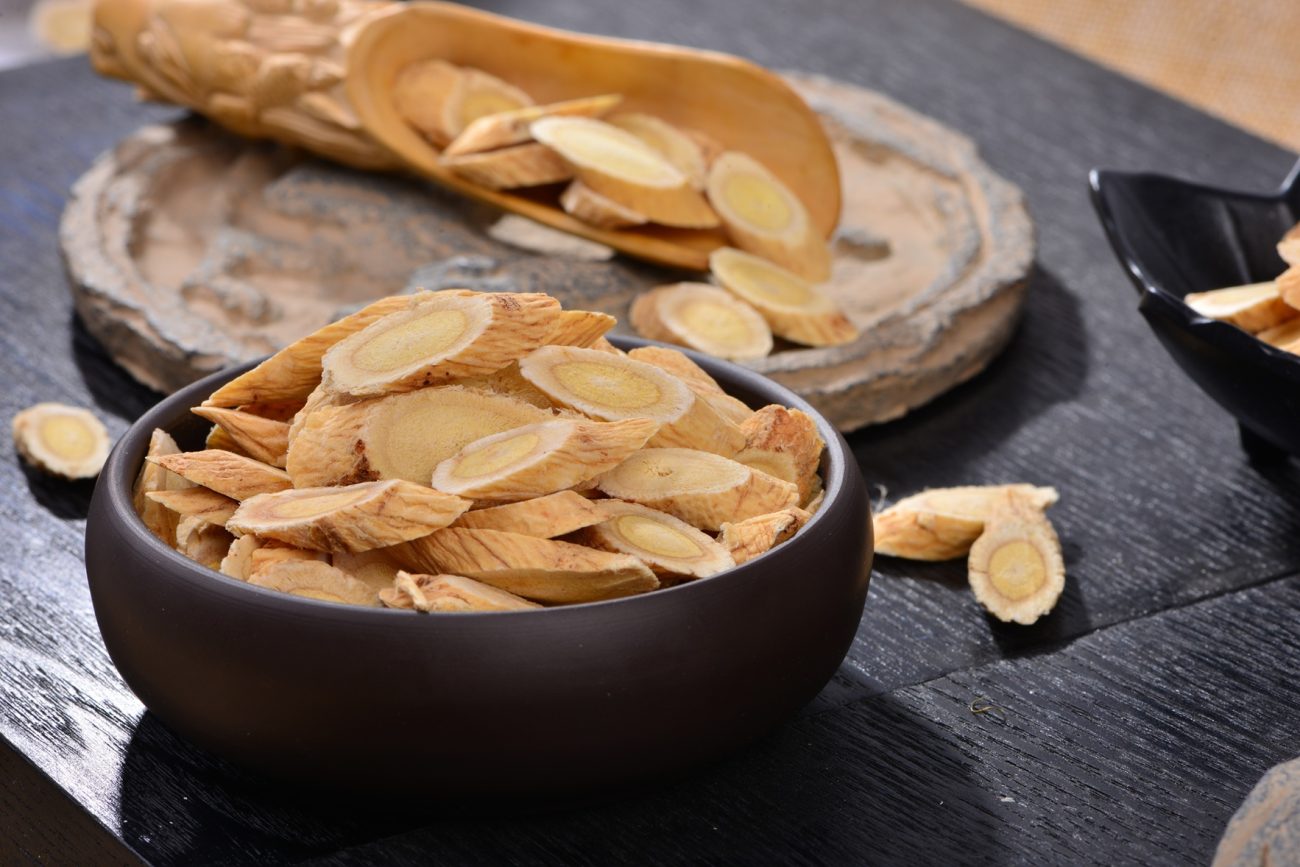
Root
10–30 g/per day
Tincture (1:5 | 40%) 6–12 ml daily
-
How does it feel?
Astragalus root has a sweet, slightly sour and a subtle nuttiness to its taste, ending with a distinctly soapy sweet aftertaste.
The sweetness of astragalus is due to both its prominent polysaccharide and saponin content; the aftertaste reminds us that ‘saponin’ derives from the Latin for soap. This is reflected not only in the taste, but the appearance as well — astragalus has a noticeable soapiness, producing bubbles when shaken.

The taste of astragalus
The below qualities are derived from organoleptic assessment.
-
Into the heart of astragalus

Astragalus (Astragalus membranaceus) Astragalus is traditionally highly regarded as a tonic remedy. In the language of TCM, it was seen to tonify both active energies (qi) and those that build resilience (xue or Blood), as well as supporting the Chinese concept of the Spleen (the function controlling assimilation in the body — thus being used where fatigue is linked to decreased appetite) (9).
It is also known as huang qi in TCM and is a very potent and important TCM herb with a number of applications. Warm and sweet, it is a nourishing herb and belongs to the category of herbs that tonify the qi. Like other qi tonics, huang qi influences the Spleen and Lungs, for these are the primary organs responsible for the cultivation (via food and air, respectively) and dissemination of qi in the body.
To summarise its TCM use, astragalus:
- Tonifies the Spleen and qi in cases of Spleen qi deficiency with lack of appetite, diarrhoea, fatigue and easy bleeding and bruising as in TCM, Spleen qi ‘holds’ the blood in the vessels.
- Raises the yang qi in cases of depleted yang qi manifesting in prolapse (uterus, stomach or rectum) or uterine bleeding.
- Strengthens wei qi (immunity) to stabilise the exterior. By this, it means it stops spontaneous sweating owing to a deficiency of wei qi, Lung qi, yang or yin (depending on which herbs it is combined with) and builds immunity to colds and flus by strengthening both the digestive and respiratory systems. It is also often used to support qi and wei qi deficiency resulting from cancer treatments.
- Tonifies Blood and is often combined with Blood tonics, such as rhemannia (Rehmannia glutinosa) and dang gui (Angelica sinensis) to enhance their function as strengthening qi naturally promotes the formation of new Blood.
- Promotes urination, reducing oedema specifically deriving from Spleen qi deficiency (the Spleen is chiefly responsible for the transportation of fluids in TCM).
- Promotes the discharge of pus and healing of slow-healing ulcerations and sores.
It is also used, in the appropriate presentations, for diabetes, numbness and pain in the body and for post-stroke complications (7,9).
Astragalus can be prescribed for any condition of debility, weakness or impaired immunity to increase resilience, reduce inflammation and aid recovery.
-
What practitioners say
 Respiratory system
Astragalus is an effective prophylactic against recurrent respiratory infections. It modulates the immune response specific to allergen induced airway inflammation, helping to treat conditions including asthma or hayfever (11). Its anti-inflammatory and antioxidant actions help to reduce oxidative stress and damage in the lung tissue and can slow the progression of COPD (12).
Cardiovascular system
Astragalus is regarded as a cardioprotective, as it helps to protect cardiac tissue and improves the function of the heart. When used in this way, it can help to prevent the risk of heart conditions including heart failure (13). In China, IV extracts of astragalus have been used to improve ejection fraction, ventricular function and cardiac output in combination with conventional medicine (13). It is also specific for treatment of viral endocarditis (14).
Urinary system
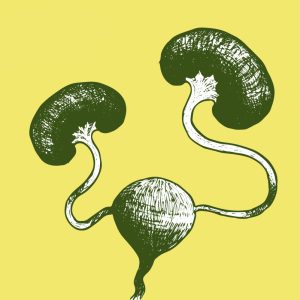
As well as being considered a kidney qi tonic in TCM, astragalus is also considered a kidney protective by supporting overall renal and urinary function. It has been shown to improve glomerular filtration rate, helping to support those with chronic kidney disease or diabetic nephropathy. The diuretic properties support elimination of toxins and metabolites through the kidneys and therefore can be helpful following kidney disease by promoting elimination through the urine. It has been shown to slow the progression of cell changes responsible for kidney disease and fibrosis (15).
Endocrine system
The polysaccharides in astragalus can improve insulin sensitivity and glucose metabolism, indicating it in the treatment of metabolic syndrome and diabetes. It has been shown to support the integrity of the intestinal barrier and microbiome in cases of type 2 diabetes (17). Astragalus also improves lipid profiles by reducing cholesterol, triglycerides and low-density lipoprotein (LDL) levels helping to prevent the formation of atherosclerotic plaques and support vascular health (18).
Immune system
Astragalus modulates the immune system by activating both innate and adaptive immune responses. The polysaccharides stimulate a range of immune cells including macrophages and naive T cells to facilitate a specific immune response (19). This also includes an increase in antibody levels and suppression of pro-inflammatory cytokines.
With broad antiviral properties, astragalus has been shown to be effective against the flu virus, hepatitis B, herpes, covid-19 and other viral infections (3). It is recommended, however, to stop taking astragalus in cases of an active infection, and instead use it prophylactically or to aid recovery following an illness (1,20).
-
Astragalus research

Astragalus (Astragalus membranaceus) Much of the clinical research literature until recently has been published in China, in Chinese, and relates often to the widespread medical practice there of prescribing astragalus extracts by intravenous injection. This mode of application avoids the digestive breakdown of polysaccharides and so delivers a remedy that is not comparable with traditional oral consumption. Other research literature applies to astragalus in combination with other ingredients.
There is also considerable research literature that refers to laboratory studies. It is worth noting that when astragalus is consumed orally, the saponins and polysaccharides are not absorbed directly through the intestinal tract, as the process of digestion will break them down into aglycones and short chain fatty acids (SCFAs) respectively. The polysaccharides will however, still act as a prebiotic and will get broken down into smaller compounds (21).
Chronic fatigue syndrome post-COVID-19: Triple-blind randomised clinical trial of astragalus root extract
This triple-blind randomised clinical trial was carried out to evaluate the effects of astragalus root extract on nurses experiencing chronic fatigue syndrome following a COVID-19 infection. Sixty-four nurses were randomly assigned to one of either, a) an intervention group to receive 500 mg two times per day over the course of a month, or b) a placebo group. Chronic fatigue scores were measured prior to treatment and at the end of the month long intervention.
The results showed the intervention group’s chronic fatigue prevalence dropped to 13.8% at the end of the trial, and a further 17.2% one month later showing a statistical significance (p=0.0001). Whereas, the control group showed a higher prevalence of chronic fatigue following placebo treatment (72.2%) showing the astragalus group had a significant therapeutic effect. This study shows promise for the use of astragalus in treating chronic fatigue syndrome following infection (6).
A natural astragalus-based nutritional supplement lengthens telomeres in a middle-aged population: A randomized, double-blind, placebo-controlled study
This randomised, double blind, placebo controlled clinical trial examined the effects of an astragalus supplement (ASTCOQ02) on telomere length in 40 healthy volunteers ranging between 56–62 years old. Half of the participants were given the supplement containing 250 mg of astragalus, olive fruit extract, zinc oxide and grape seed extract twice daily for six months, whilst 20 received placebo capsules.
The results showed the astragalus group showed a significant increase in median telomere length (+271 kbp at 1 month, +472 kbp at 3 months (p=0.008), and +695 kbp at 6 months [p=0.001]) whilst the telomere length in the placebo group remained the same or slightly decreased. Short telomere length also increased within the supplement group whilst there was no change in the placebo group. This study shows promise of astragalus in lengthening telomeres, which has a beneficial effect on reducing the risk of cellular ageing and age related diseases (23).
Efficacy and safety of astragalus-containing traditional chinese medicine combined with platinum-based chemotherapy in advanced gastric cancer: A systematic review and meta-analysis
This systematic review and meta-analysis explored the efficacy and safety of traditional Chinese medicine (TCM) containing astragalus when combined with chemotherapy in patients with gastric cancer. It included analysis of electronic databases dating back to 2020. It included both oral and injection forms of astragalus, with treatment duration varying from up to eight weeks.
Results showed patients taking astragalus had an increase in immune cells including CD3+ T cells, CD3+CD4+ T cells, natural killer (NK) cells, and CD4+/CD8+ ratio. Survival rates were significantly better with adjunct astragalus therapy (P < 0.0001), and quality of life was also much improved. There was also a low incidence of adverse drug reactions reported (24).
Add-on astragalus in type 2 diabetes and chronic kidney disease: A multi-center, assessor-blind, randomized controlled trial
This randomised controlled trial included 118 patients with type 2 diabetes and stage 2–3 chronic kidney disease (CKD) and macroalbuminuria. Patients had an estimated glomerular filtration rate (eGFR) between 30–90 ml/min/1.73 m2 and urinary urinary albumin to creatinine ratio (UACR) between 300–5000 mg/g. Patients were randomly assigned to receive either oral astragalus at a dose of 15 g per day plus standard care, or standard care on its own for 48 weeks.
Results showed astragalus slowed eGFR decline by an estimated 4.6 ml/min/1.73m2 per year compared to the control group (95% CI: 1.5 to 7.6, p=0.003). Blood pressure was 7.9 mmHg lower after 48 weeks in the astragalus group when compared to the control group. This trial showed astragalus was safe and effective in supporting optimal kidney function with minimal adverse effects (25).
Astragalus membranaceus improving asymptomatic left ventricular diastolic dysfunction in postmenopausal hypertensive women with metabolic syndrome: A prospective, open-labeled, randomized controlled trial
This randomised controlled trial examined the effect of astragalus on metabolic syndrome and left ventricular diastolic function (LVDD). A total of 154 postmenopausal hypertensive women were divided into three groups a) control group receiving conventional medical treatment b) astragalus at a dose of 5 g/day in addition to conventional treatment or c) astragalus at a dose of 10 g/day in addition to conventional treatment, all over the course of 12 months. Clinical parameters were measured before and after.
Results showed significant improvements in left ventricular diastolic function in group c after 12 months when compared with group a. It concluded that astragalus was effective when combined with conventional treatment at a dose of 10 g/day in the treatment of LVDD as it acts as a cardioprotective (26).
-
Historical use of astragalus
The root has been used for many hundreds of years in TCM as a tonic in fatigue, especially with decreased appetite, spontaneous sweating and diarrhoea. It has also been used to reduce blood loss and improve kidney function as well as to recover from postpartum fever, organ prolapse, uterine bleeding and other severe loss of blood (9,10).
-
Astragalus’s herbal actions
Herbal actions describe therapeutic changes that occur in the body in response to taking a herb. These actions are used to express how a herb physiologically influences cells, tissues, organs or systems. Clinical observations are traditionally what have defined these actions: an increase in urine output, diuretic; improved wound healing, vulnerary; or a reduction in fever, antipyretic. These descriptors too have become a means to group herbs by their effects on the body — herbs with a nervine action have become the nervines, herbs with a bitter action are the bitters. Recognising herbs as members of these groups provides a preliminary familiarity with their mechanisms from which to then develop an understanding of their affinities and nuance and discern their clinical significance.
-
Astragalus’s energetic qualities
Herbal energetics are the description that herbalists have given to plants, mushrooms, lichens, foods and some minerals based on the direct experience of how they taste, feel and affect the body. All traditional health systems use these principles to explain how the environment impacts health, according to each of their philosophies and frameworks. These assessments of individual herbs, though they often do align, can differ from one another due to cultural differences regarding perspectives on how herbs taste versus their physiological effects. Find out more about traditional energetics in our article An introduction to herbal energetics.
Western energetics
Western energetics here are informed by The Energetics of Western Herbs by Peter Holmes, as well as traditional materia medica from Culpeper and Dioscorides.
Chinese energetics
Chinese energetics align with Bensky’s Chinese Herbal Medicine: Materia Medica.
-
What can I use astragalus for?

Astragalus (Astragalus membranaceus) Astragalus is a key herb to use in cases of repeat infections, including viral infections and colds. In such cases of impaired immunity, taking astragalus regularly over the course of several months, and particularly during the winter supports immune function and improves resilience (1,2). Astragalus has been shown to increase white blood cell count, supporting both innate and adaptive immune responses, predominantly as a result of its polysaccharide content (3).
Astragalus helps to prevent respiratory infections and is also indicated in respiratory conditions where allergic responses are exacerbating symptoms; for example, seasonal allergies or elevated mould counts in winter. Astragalus works to reduce airway inflammation by downregulating inflammatory markers and so can be used in cases of asthma (1,4).
Traditionally, astragalus was used as a key remedy for treating chronic fatigue and low energy. It is especially indicated in cases of post viral fatigue, including long covid as it helps to restore energy, resilience and immune function following severe illness (5,6).
Within traditional Chinese medicine (TCM), astragalus is a key herb prescribed for fatigue and qi deficiency (7). It is also the main herb used in hospitals for stroke recovery in China and Taiwan (8). As well as reinforcing its role in building resilience, this points to a benefit for a wide range of circulatory problems. It can provide safe background support for other treatments for cardiovascular disease and circulatory conditions where these are exacerbated by fatigue and low energy. Additionally, astragalus can be of benefit in ischaemic heart conditions including angina, and has a vasodilatory effect helping to promote blood flow and prevent atherosclerosis (2).
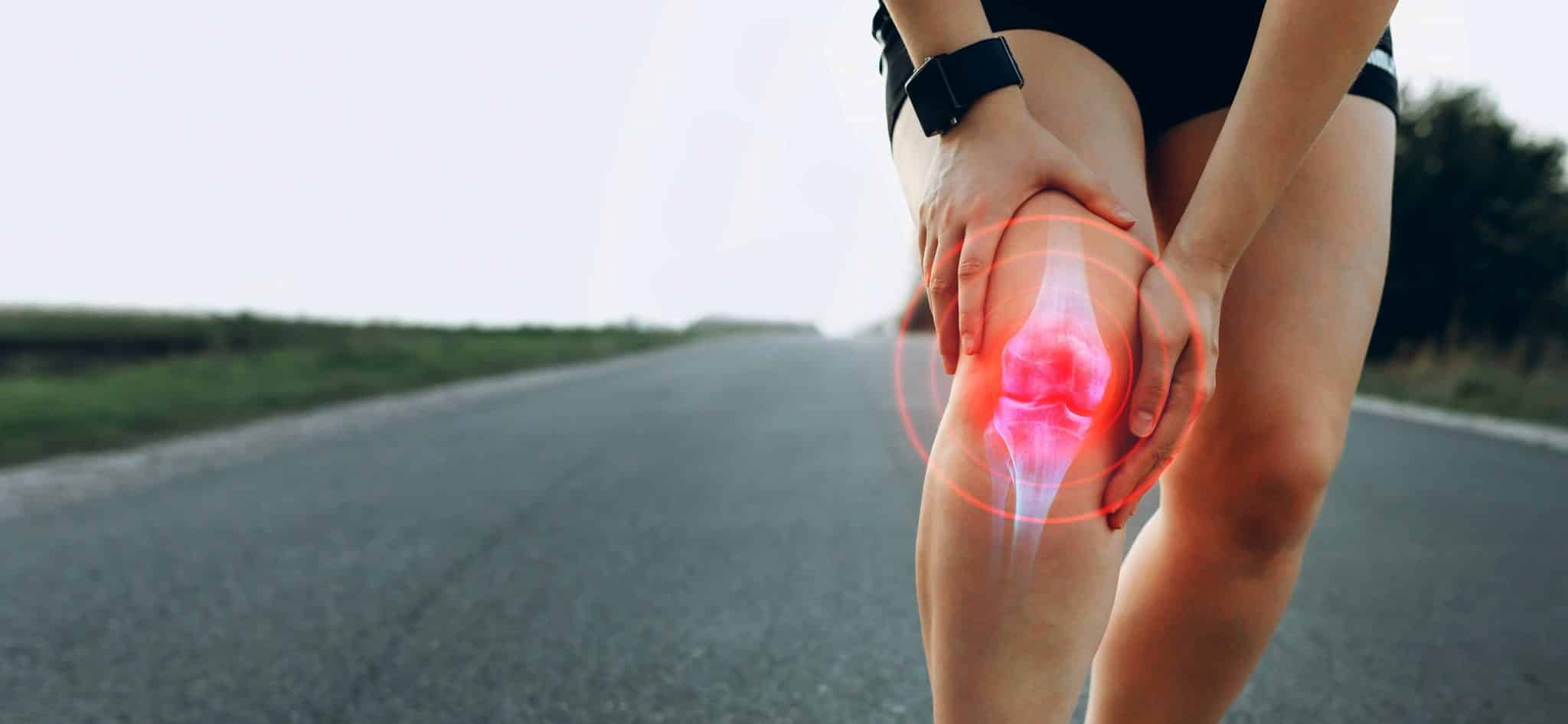
The anti-inflammatory and immunomodulatory actions also indicate astragalus in the treatment of inflammatory musculoskeletal conditions including rheumatoid arthritis (1,2).
As a tonic, astragalus has several supportive effects on multiple body systems including the cardiovascular, renal, musculoskeletal, respiratory and immune system.
For the optimum benefit it is probably better to look out for a dried root powder supplement, and use only liquid forms that have been carefully prepared to extract both the polysaccharides and the saponins.
-
Did you know?
To enhance this herb’s ability to tonify qi and raise yang it is dry-fried (chao huang qi) or honey-fried (mi zhi huang qi) (9).




 Respiratory system

-
Botanical description
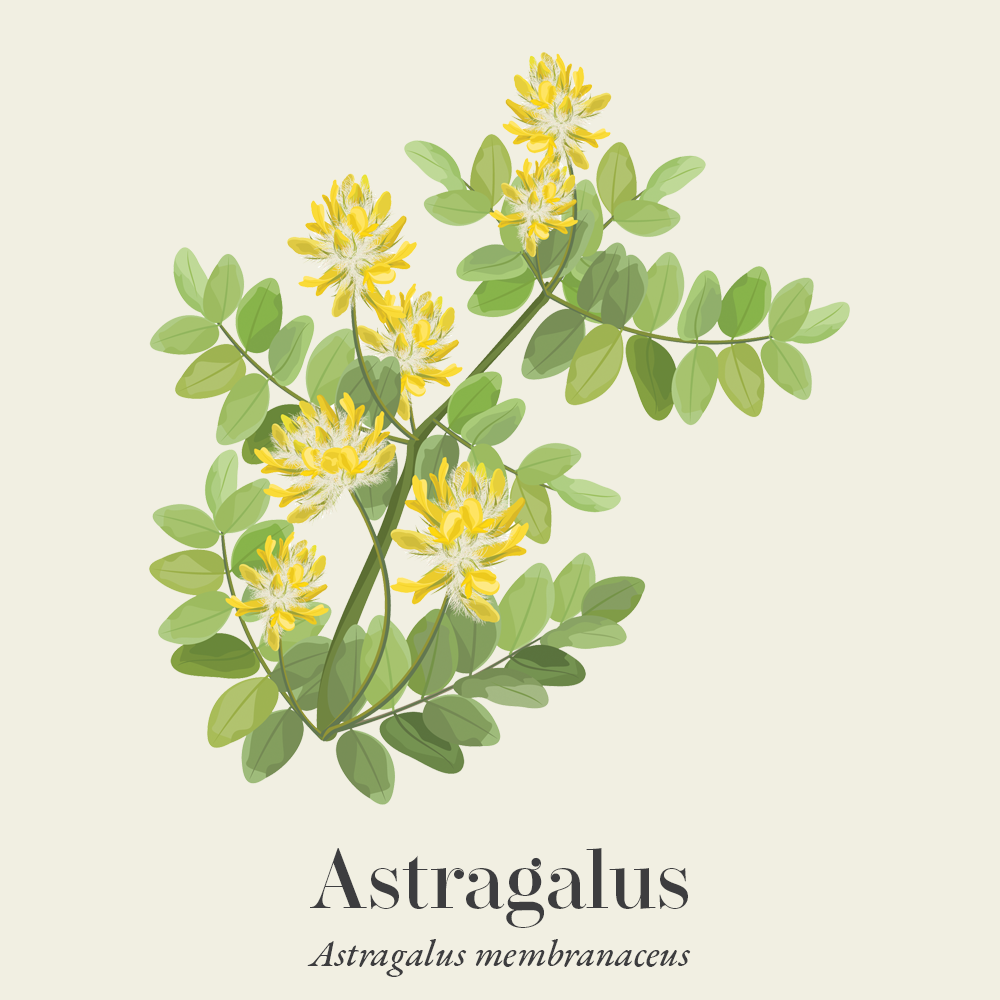
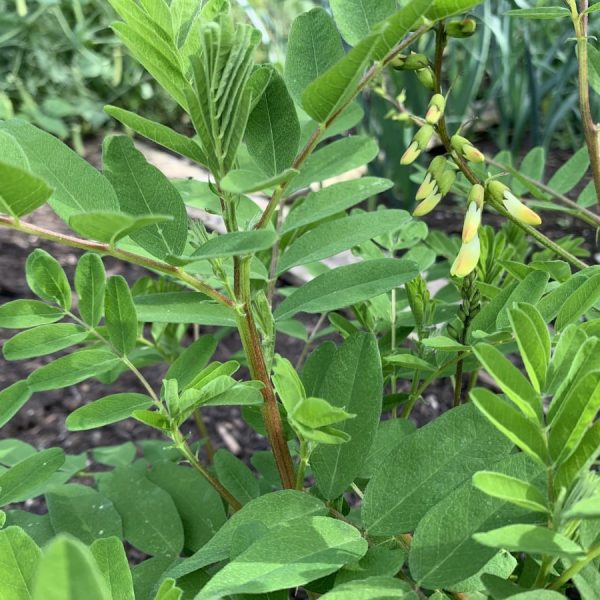
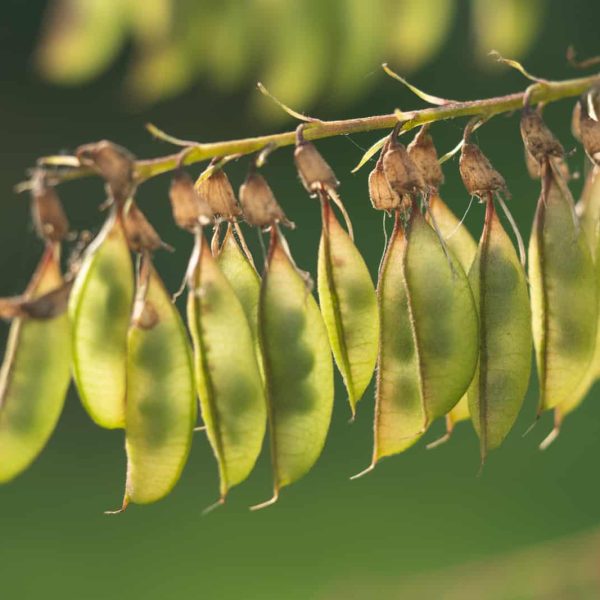
Astragalus is a perennial herb growing up to 150 cm high. The leaves are elliptic, pinnate, with many leaflets.
The racemes are axillary, the calyx is 5 mm long and tubular. The root is flexible, long and covered with a tough, wrinkled, yellowish-brown epidermis. The woody interior is of a yellowish-white colour.
Astragalus resembles and is closely related taxonomically to liquorice (Glycyrrhiza glabra) (30).
Alternate botanical names
The Pharmacopoeia of the People’s Republic of China includes both Astragalus membranaceus and A. membranaceus var. mongholicus (synonym: A. mongholicus) in its definition of astragalus. The Japanese Pharmacopoeia officially also permits substitutes including A. chrysopterus, A. floridus and A. tongolensis. The source of gum tragacanth is another species from mountainous areas of Iran and Iraq.
-
Common names
- Membranous milk-vetch root (Eng)
- Huang qi (Chin)
-
Habitat
Astragalus is native to the northern and eastern parts of China, as well as Mongolia and Korea. Growing in dry, sandy soil, often found in Mountain thickets, steppes, meadows, coniferous forests; montane belt at altitudes of 800–2000 metres (31).
-
How to grow astragalus
Growing astragalus from seed is more difficult than other herbs. It is a perennial herb that prefers partial shade and well drained, dry soil.
The seeds require a minimum three week cold stratification period. To further aid germination, soak the seeds in water or scarify the seed coat with fine grade sandpaper before sowing. Seeds can take as long as nine weeks to sprout.
Astragalus prefers full sun to partial shade, in a well-drained sandy loam, neutral to alkaline pH and dry soil.
Astragalus herb plants can be directly seeded in the garden, but the general recommendation is to give them a head start by sowing indoors during late winter. Transplant seedlings as soon as the danger of frost has passed.
Astragalus forms a taproot which can be harvested from a mature plant. It can take anywhere from two to four years for the taproot to grow to a usable size, roots of any age can be harvested. Older roots are considered more potent (34).

-
Herbal preparation of astragalus
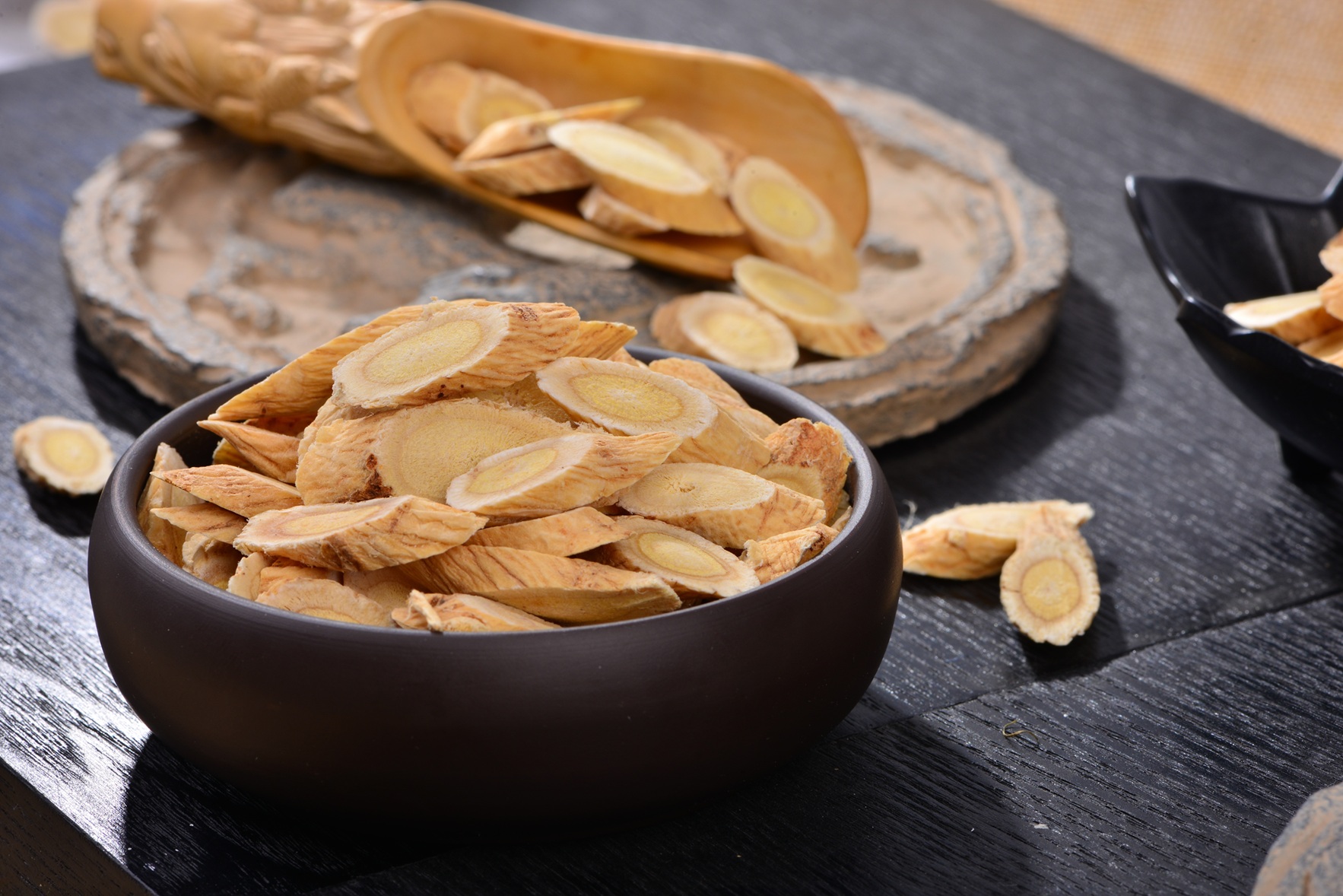
- Powdered dried root
- Decoction
- Tincture
- Capsule
- Liquid extract
-
Plant parts used
Root
-
Dosage
- Tincture (1:5| 40%): Take 2–4 ml three times a day
- Fluid extract (1:1 | %): 4–8 ml per day
- Infusion/decoction: 10 to 30 g/day of the dried root as a decoction
- Powdered dried: 10 to 30 g/day of the dried root as a powder (1)
-
Constituents
- Triterpenoid saponins: Astragalosides, including astragaloside I and IV and pentacyclic glycosides
- Polysaccharides: Heteropolysaccharides and dextrans
- Flavonoids: Isolflavones including calycosin, calycosin-7-O-β-D-glucoside, formononetin, ononin, sulfuretin and pendulone
- Phytosterols: β-sitosterol, daucosterol and lupeol
- Fatty acids: Linoleic acid, linolenic acid, palmitic acid
- Essential oils (19)
-
Astragalus recipe
Astragalus winter tonic elixir
This is a fun and easy-to-make winter tonic elixir with a mix of herbs that raise your energy and warm you to the core.
Ingredients
- 700 ml/25 fl oz brandy
- 300 ml/10 fl oz amaretto
- 20 g/3/4 oz ginseng root
- 10 g/1/3oz astragalus
- 10 g (about 2 quills) cinnamon bark
- 5 g ashwagandha root
- 5 g ginger root powder
- 2 sprigs rosemary
- 5 g orange peel
This makes 1 litre/35fl oz of tincture.
How to make an astragalus tonic
- Blend the liquids and soak the herbs in it for one month and then strain.
- Bottle half for you and half for a friend.
- Sip on cold winter nights to raise your spirits and keep you strong.
* Recipe from Cleanse, Nurture, Restore by Sebastian Pole
-
Safety
There is a lack of reliable information surrounding safety in pregnancy and lactation, so astragalus is best avoided unless prescribed by a qualified medical herbalist (27). No adverse reactions are expected.
In TCM, there are a number of conditions and bodily ‘patterns’ for which huang qi is not appropriate:
- Exterior excess: Pathogens at the exterior — for example, active colds and flu. Huang qi is prescribed between colds and flu, especially when these are frequent
- Qi stagnation: Where there is a lack of free-flow of qi in the body
- Damp obstruction: Excessive dampness in the body, accumulating and obstructing free-flow of qi
- Food stagnation
- Yin deficiency with heat signs: Presents with symptoms such as nightsweats, insomnia, dark urine, a dry mouth at night and heat sensations in the chest, soles and palms.
- Skin lesions in the early stage
- Skin lesions with heat toxin: Lesions with redness, swelling, burning and pain (9)
-
Interactions
There is a potential that astragalus will increase the risk of hypoglycaemia when taken in conjunction with antidiabetic medication (27). Caution is also advised when taking astragalus alongside immunosuppressive medication (2,27).
-
Contraindications
Astragalus is commonly not recommended during acute infection across multiple disciplines. Clinical studies suggest that astragalus in high doses may suppress regulatory T cells and promote an inflated inflammatory response which could exacerbate acute infections. This suggests that correct dosing and monitoring is recommended for astragalus during acute infection, and should be administered under the guidance of a medical herbalist in such cases (28,29).
-
Sustainability status of astragalus
The IUCN Red List of Threatened Plants Status has classified astragalus as ‘least concern’. There is a slight conservation concern, however, as this plant has been included in the China Rare Endangered Plant directory (32,33). As such, it is recommended to source astragalus from sustainable and treaceable sources.
Habitat loss and over-harvesting from the wild are two of the biggest threats faced by medicinal plant species. There are an increasing number of well-known herbal medicines at risk of extinction. We must, therefore, ensure that we source our medicines with sustainability in mind.
The herb supplement industry is growing at a rapid rate and until recent years a vast majority of medicinal plant produce in global trade was of unknown origin. There are some very real and urgent issues surrounding sustainability in the herb industry. These include environmental factors that affect the medicinal viability of herbs, the safety of the habitats that they are taken from, as well as the welfare of workers in the trade.
The botanical supply chain efforts for improved visibility (transparency and traceability) into verifiably sustainable production sites around the world is now certificated through the emergence of credible international voluntary sustainability standards (VSS).
Read our article on Herbal quality & safety: What to know before you buy and Sustainable sourcing of herbs to learn more about what to look for and questions to ask suppliers about sustainability.
-
Quality control
Herbal medicines are often very safe to take; however, their safety and efficacy can be jeopardised by quality issues. So, it is important to buy herbal medicines from a reputable supplier, from sources known to test their herbs to ensure there is no contamination, adulteration or substitution with incorrect plant matter, as well as ensuring that recognised marker compounds are at appropriate levels in the herbs.
Some important quality assurances to look for are certified organic labelling, the correct scientific/botanical name, and the availability of information from the supplier about ingredient origins. A supplier should be able to tell you where the herbs have come from, what contaminants are not in the herb, and what the primary compounds are.
-
References
- Bone K, Mills S. Principles and Practice of Phytotherapy: Modern Herbal Medicine. 2nd ed. Edinburgh Churchill Livingstone, Elsevier; 2013.
- Mcintyre A. Complete Herbal Tutor : The Definitive Guide to the Principles and Practices of Herbal Medicine (Second Edition). Aeon Books Limited; 2019.
- Wang XY, Wang RC, Qu ZY, Zhu YZ, Li YL. Advances on immunoregulation effect of astragalus polysaccharides. Frontiers in natural products. 2022;1. https://doi.org/10.3389/fntpr.2022.971679
- Yang ZC, Yi MJ, Ran N, et al. Astragalus Extract Attenuates Allergic Airway Inflammation and Inhibits Nuclear Factor κB Expression in Asthmatic Mice. The American Journal of the Medical Sciences. 2013;346(5):390-395. https://doi.org/10.1097/MAJ.0b013e3182753175
- Joung JY, Lee JS, Choi Y, et al. Evaluating myelophil, a 30% ethanol extract of Astragalus membranaceus and Salvia miltiorrhiza, for alleviating fatigue in long COVID: a real-world observational study. Frontiers in Pharmacology. 2024;15. https://doi.org/10.3389/fphar.2024.1394810
- Banihashemi ZS, Azizi-Fini I, Rajabi M, Maghami M, Yadollahi S. Chronic fatigue syndrome post-COVID-19: triple-blind randomised clinical trial of Astragalus root extract. BMJ Supportive & Palliative Care. Published online June 4, 2024. https://doi.org/10.1136/spcare-2023-004595
- Bensky D, Clavey S, Stöger E. Chinese Herbal Medicine. Materia Medica. 3rd ed. Eastland Press; 2015.
- Liu CH, Tsai CH, Li TC, et al. Effects of the traditional Chinese herb Astragalus membranaceus in patients with poststroke fatigue: A double-blind, randomized, controlled preliminary study. Journal of Ethnopharmacology. 2016;194:954-962. https://doi.org/10.1016/j.jep.2016.10.058
- Chen JK, Chen TT, Crampton L. Chinese Medical Herbology and Pharmacology. Art Of Medicine Press, Inc; 2004.
- Liu P, Zhao H, Luo Y. Anti-Aging Implications of Astragalus Membranaceus (Huangqi): A Well-Known Chinese Tonic. Aging and Disease. 2017;8(6):868. https://doi.org/10.14336/ad.2017.0816
- D’Avino D, Cerqua I, Ullah H, et al. Beneficial Effects of Astragalus membranaceus (Fisch.) Bunge Extract in Controlling Inflammatory Response and Preventing Asthma Features. International Journal of Molecular Sciences. 2023;24(13):10954. https://doi.org/10.3390/ijms241310954
- Zhao A, Wang H, Wu X, et al. Research Progress on Astragalus and its Active Ingredients in Treating Chronic Obstructive Pulmonary Disease. Indian Journal of Pharmaceutical Sciences. 2024;86(4):1199-1206. https://doi.org/10.36468/pharmaceutical-sciences.1384
- Han X, Yu T, Chen X, Du Z, Yu M, Xiong J. Effect of Astragalus membranaceus on left ventricular remodeling in HFrEF: a systematic review and meta-analysis. Frontiers in pharmacology. 2024;15:1345797. https://doi.org/10.3389/fphar.2024.1345797
- jialiken D, Qian L, Wen S, et al. Effect of Astragalus injection treatment for viral myocarditis: a systematic review and meta-analysis. European Journal of Medical Research. 2025;30(1). https://doi.org/10.1186/s40001-024-02193-9
- SHAN G, ZHOU XJ, XIA Y, QIAN HJ. Astragalus membranaceus ameliorates renal interstitial fibrosis by inhibiting tubular epithelial-mesenchymal transition in vivo and in vitro. Experimental and Therapeutic Medicine. 2016;11(5):1611-1616. https://doi.org/10.3892/etm.2016.3152
- Chen SJ, Sunderiya Dalanbaatar, Chen HY, et al. Astragalus membranaceus Extract Prevents Calcium Oxalate Crystallization and Extends Lifespan in a Drosophila Urolithiasis Model. Life. 2022;12(8):1250-1250. https://doi.org/10.3390/life12081250
- Su M, Tang T, Tang W, Long Y, Wang L, Liu M. Astragalus improves intestinal barrier function and immunity by acting on intestinal microbiota to treat T2DM: a research review. Frontiers in Immunology. 2023;14:1243834. https://doi.org/10.3389/fimmu.2023.1243834
- Wang P, Wang Z, Zhang Z, et al. A review of the botany, phytochemistry, traditional uses, pharmacology, toxicology, and quality control of the Astragalus memeranaceus. Frontiers in Pharmacology. 2023;14. https://doi.org/10.3389/fphar.2023.1242318
- Li S, Hu X, Liu F, Hu W. Bioactive components and clinical potential of Astragalus species. Frontiers in Pharmacology. 2025;16. https://doi.org/10.3389/fphar.2025.1585697
- Thomsen M. Phytotherapy Desk Reference. 6th ed. Aeon Books; 2022.
- Gan L, Wang J, Lee H. Polysaccharides influence human health via microbiota-dependent and -independent pathways. Frontiers in Nutrition. 2022;9. https://doi.org/10.3389/fnut.2022.1030063
- Du Y, Wan H, Huang P, Yang J, He Y. A critical review of Astragalus polysaccharides: From therapeutic mechanisms to pharmaceutics. Biomedicine & Pharmacotherapy. 2022;147:112654. https://doi.org/10.1016/j.biopha.2022.112654
- Jaeger C de, Kruiskamp S, Voronska E, et al. A Natural Astragalus-Based Nutritional Supplement Lengthens Telomeres in a Middle-Aged Population: A Randomized, Double-Blind, Placebo-Controlled Study. Nutrients. 2024;16(17):2963-2963. https://doi.org/10.3390/nu16172963
- Cheng M, Hu J, Zhao Y, et al. Efficacy and Safety of Astragalus-Containing Traditional Chinese Medicine Combined With Platinum-Based Chemotherapy in Advanced Gastric Cancer: A Systematic Review and Meta-Analysis. Frontiers in Oncology. 2021;11. https://doi.org/10.3389/fonc.2021.632168
- Sheng X, Yang L, Huang B, et al. Efficacy of Astragalus Membranaceus (Huang Qi) for Cancer-Related Fatigue: A Systematic Review and Meta-Analysis of Randomized Controlled Studies. Integrative Cancer Therapies. 2025;24. https://doi.org/10.1177/15347354241313344
- Li NY, Yu H, Li XL, et al. Astragalus Membranaceus Improving Asymptomatic Left Ventricular Diastolic Dysfunction in Postmenopausal Hypertensive Women with Metabolic Syndrome: A Prospective, Open-Labeled, Randomized Controlled Trial. Chinese Medical Journal. 2018;131(5):516-526. https://doi.org/10.4103/0366-6999.226077
- Natural Medicines Database. Astragalus. Therapeuticresearch.com. Published 2025. Accessed October 30, 2025. https://naturalmedicines.therapeuticresearch.com/Data/ProMonographs/Astragalus#safety
- Xu Q, Cheng W, Wei J, Ou Y, Xiao X, Jia Y. Synergist for antitumor therapy: Astragalus polysaccharides acting on immune microenvironment. Discover Oncology. 2023;14(1). https://doi.org/10.1007/s12672-023-00798-w
- Chen JP, Lai HC. Immuno-potentiating effects of Astragalus polysaccharides: A mini-literature review. Journal of Cancer Research and Practice. 2020;7(3):99-99. https://doi.org/10.4103/jcrp.jcrp_3_20
- RHS. Glycyrrhiza glabra | liquorice Shrubs/RHS. Rhs.org.uk. Published 2025. https://www.rhs.org.uk/plants/8071/glycyrrhiza-glabra/details
- Royal Botanical Gardens Kew. Astragalus L. | Plants of the World Online | Kew Science. Plants of the World Online. Published 2025. Accessed June 12, 2024. https://powo.science.kew.org/taxon/urn:lsid:ipni.org:names:330028-2
- Lopez L. IUCN Red List of Threatened Species: Astragalus mongholicus. IUCN Red List of Threatened Species. Published August 4, 2010. https://www.iucnredlist.org/species/19893111/20119278
- Yang M, Li Z, Liu L, Bo A, Zhang C, Li M. Ecological niche modeling of Astragalus membranaceus var. mongholicus medicinal plants in Inner Mongolia, China. Scientific Reports. 2020;10(1). doi:https://doi.org/10.1038/s41598-020-69391-3
- Heirloom Organics. How to Grow Astragalus | Guide to Growing Astragalus. Heirloom-organics.com. Published 2019. Accessed October 31, 2025. https://www.heirloom-organics.com/guide/va/guidetogrowingastragalus.html
Meet our herbal experts
Our monographs are written by our monograph authors and edited, reviewed and updated by Herbal Reality.
Meet our Herbal Reality team or explore our Herbal Reality authors.