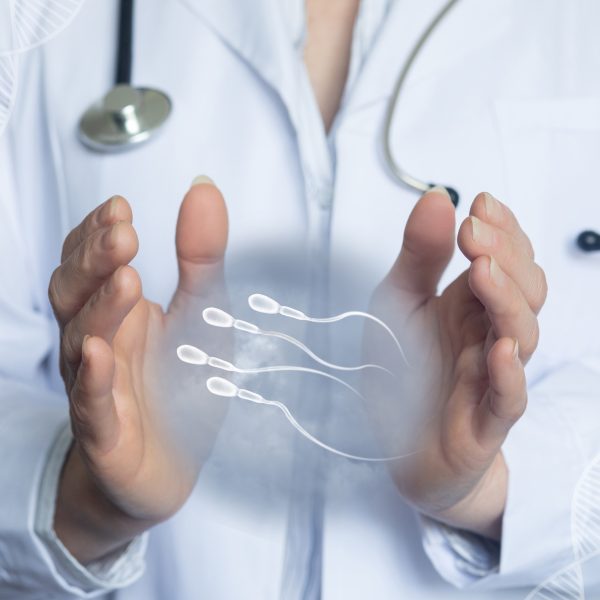



Ejaculatory and erectile dysfunction can arise from stress, hormones, medications, or disease. Explore how herbs can offer support to individuals experiencing these challenges.
Most men experience difficulty in achieving or maintaining an erection, or with ejaculation, from time to time. However, ongoing erectile or ejaculatory dysfunction can cause significant stress, loss of self-confidence and relationship difficulties.
Understanding erectile and ejaculatory dysfunction
Erectile dysfunction is the inability to achieve an erection, or to maintain a firm enough erection for sexual activity. Ejaculatory dysfunction on the other hand, refers to the inability to ejaculate, or a problem with the timing of ejaculation. It can include premature ejaculation, retrograde ejaculation, and anorgasmia (inability to reach orgasm).
The root causes of erectile dysfunction

Emotional and psychological factors
Erectile dysfunction is commonly caused by emotional or psychological factors, such as stress or anxiety, which trigger the release of adrenaline, restricting the blood supply to the genitals. If the person still experiences morning erections, and the ability to maintain an erection and to ejaculate during masturbation, this strongly suggests that erectile and ejaculatory problems may be related to stress or trauma.
The loss of morning erections and inability to maintain an erection or to ejaculate during masturbation is more likely to suggest a physiological problem, such as nervous system or vascular disease, or a side effect of medication (1).
Hypogonadism
Hypogonadism is associated with reduced production of LH and FSH from the pituitary gland and resulting low levels of androgens (male hormones), such as testosterone. It may be caused by obesity, nutritional deficiency, stress, inflammatory disease, ageing, and certain medications. Symptoms of hypogonadism include reduced muscle mass, fatigue, and erectile dysfunction (2).
Other underlying conditions which may cause erectile dysfunction
Erectile and ejaculatory dysfunction may also be associated with nervous system diseases (such as MS), and vascular conditions (such as diabetes) (3).
Medications which may cause erectile dysfunction
Medications which may cause erectile dysfunction and decreased libido include anti-androgens for the treatment of prostate enlargement, opioid analgesics for treatment of pain, selective serotonin reuptake inhibitors (SSRIs) for treatment of depression and anxiety, antipsychotics for treatment of mental health problems, and some diuretics and hypertensives for reducing blood pressure (4).
The root causes of ejaculatory dysfunction

Premature ejaculation
Premature ejaculation is ejaculation that occurs with minimal stimulation, often before penetration. The cause is unknown, but the incidence tends to decrease with age (5).
Retrograde ejaculation
Retrograde ejaculation occurs when the bladder neck fails to close during ejaculation, and semen travels backwards into the bladder instead of being ejaculated through the penis. The urine may be cloudy after orgasm due to the presence of sperm in the bladder. Retrograde ejaculation is not harmful, but because little or no semen is ejaculated, it usually causes infertility.
Retrograde ejaculation may be caused by a spinal injury; surgery (such as prostate or bladder surgery); or neuropathy (due to diabetes of multiple sclerosis, for example) (5). Some drugs, such as those used to treat depression (e.g., SSRIs), high blood pressure (e.g., beta blockers), or enlarged prostate (e.g., alpha-adrenergic receptor antagonists), may also cause retrograde ejaculation by preventing the bladder neck from closing properly during ejaculation.
Anorgasmia
Anorgasmia, or inability to reach orgasm, may be due to emotional or psychological factors, or may be caused by a spinal injury; surgery (such as prostate or bladder surgery); or neuropathy (due to diabetes of multiple sclerosis, for example) (5). Some drugs, such as those used to treat depression (e.g., SSRIs), high blood pressure (e.g., beta blockers), antihistamines and antiepileptic drugs may also cause anorgasmia.
Herbs and holistic solutions
Emotional and psychological factors may be improved with counselling, stress management techniques, and herbal adaptogens such as ashwagandha (Withania somnifera) and nervines such as St John’s wort (Hypericum perforatum). Damiana (Turnera diffusa) is traditionally used to treat sexual dysfunction and as a tonic for depression and nervous exhaustion (6,7).

Ginseng (Panax ginseng) root is an adaptogen, which helps to reduce fatigue and improve physical performance and well-being when under stress (8). It improves androgen levels, (9) and reduces symptoms of erectile dysfunction in men (2).
Maca (Lepidium meyenii) improves FSH and LH production by the pituitary, increasing production of androgens, improving libido, and reducing erectile dysfunction (10). Dried maca contains gamma-aminobutyric acid (GABA), and constituents that inhibit monoamine oxidase (MAO), the enzyme that breaks down neurotransmitters such as serotonin and dopamine. This leads to a reduction in symptoms of both anxiety and depression (11). Maca also improves libido and sexual function in both men and women with sexual dysfunction due to antidepressant medication (12).
Saw palmetto (Serenoa repens) is a warming, astringent herb, which is traditionally considered to be a tonic for the genitourinary system. It is thought to remedy any atony of the testes, (13) and is recommended treating erectile dysfunction in men, particularly where this is the result of nervous exhaustion (14).
Pine (Pinus pinaster) bark extract improves testosterone levels; restores erectile function; and increases levels of nitric oxide, which acts as a vasodilator (15).
Ginkgo (Ginkgo biloba) is a circulatory stimulant which also improves libido, erection, and orgasm in men, including those with antidepressant-induced sexual dysfunction (16).
Yohimbe (Pausinystalia yohimbe) has traditionally been used in Africa as an aphrodisiac and to treat sexual dysfunction, including erectile dysfunction in men (17,18).
Nutmeg (Myristica fragrans) is considered to be rejuvenative to the reproductive tissues and is used to help improve libido and to restore erectile function in Ayurveda. It is also considered to have an astringent action and is used to help prevent premature ejaculation (19).
In Chinese medicine, sour herbs such as schisandra (Schisandra chinensis) are traditionally used for treating premature ejaculation (2).

Relaxing nervines such as skullcap (Scutellaria lateriflora) may also help to reduce the tendency to premature ejaculation (20). Other measures that are useful for improving premature ejaculation include pelvic floor muscle exercises to help regain control of the ejaculatory reflex (21).
Sympathomimetic drugs (such as ephedrine) and anti-cholinergic drugs (such as ipramine) may be used to keep the bladder neck closed during ejaculation. These drugs seem to be more effective when used together, compared to either drug used alone (22). Therefore sympathomimetic herbs such as ephedra (Ephedra sinica), and anticholinergic herbs such as deadly nightshade (Atropa belladonna), may also be helpful for patients with retrograde ejaculation, particularly when used in combination. Both of these herbs are restricted to practitioner-use only, and so may only be prescribed by a qualified medical herbalist following a consultation.
In cases of retrograde ejaculation or anorgasmia due to multiple sclerosis of diabetic neuropathy, treatment of the underlying condition may help to improve ejaculation.
However, patients with retrograde ejaculation or anorgasmia due to spinal cord damage or surgery are unlikely to respond to medical or herbal treatment and may need to undergo assisted reproduction in order for their partner to conceive. Sperm can be aspirated from the testicles under local anaesthesia and processed before use in intrauterine insemination (IUI).
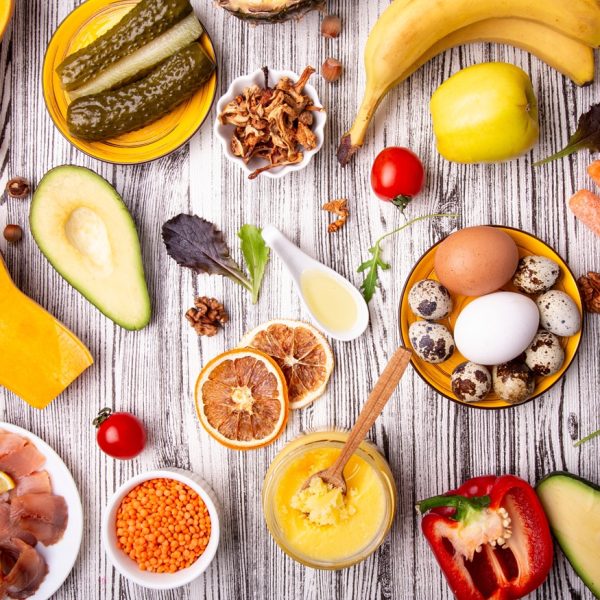
Arginine (found in red meat, fish, and poultry, or 5 g a day as a supplement) also improves levels of nitric oxide, which improves symptoms of organic ED (23). Other useful nutrients include zinc (found in meat, poultry, seafood, eggs, nuts and seeds), which supports testosterone production; and magnesium and B vitamins, which help with hormone balance, nervous system function and reducing stress levels.
References
- Campana A, de Agostini A, Bischof P, Tawfik E, Mastrorilli A. Evaluation of infertility. Graduate Foundation for Medical Education and Research (GFMER). https://gfmer.ch/Books/Reproductive_health/infertility_evaluation.html. Accessed June 20, 2020.
- Bone K, Mills S. Principles and Practice of Phytotherapy: Modern Herbal Medicine. London: Churchill Livingstone; 2013.
- Dohle GR, Diemer T, Giwercman A, Jungwirth A, Kopa Z, Krausz C. Guidelines on Male Infertility. Arnhem, the Netherlands: European Association of Urology; 2010.
- Semet M, Paci M, Saïas-Magnan J, Metzler-Guillemain C, Boissier R, Lejeune H, Perrin J. The impact of drugs on male fertility: a review. Andrology. 2017;5(4):640–663. https://doi.org/10.1111/andr.12366
- Heffner LJ, Schust DJ. The Reproductive System at a Glance. Oxford: John Wiley & Sons; 2014.
- Chevallier A. The Encyclopedia of Medicinal Plants. New York: DK; 1996.
- Bown D. Encyclopedia of Herbs and Their Uses. New York: DK; 1995.
- Bone K. A Clinical Guide to Blending Liquid Herbs. London: Churchill Livingstone; 2003.
- Holmes P. The Energetics of Western Herbs: A Materia Medica Integrating Western & Chinese Herbal Therapeutics. Vol 1. 4th ed. Santa Rosa, CA: Snow Lotus; 2007.
- Holmes P. The Energetics of Western Herbs: A Materia Medica Integrating Western & Chinese Herbal Therapeutics. Vol 2. 4th ed. Santa Rosa, CA: Snow Lotus; 2007.
- Shin BC, Lee MS, Yang EJ, Lim HS, Ernst E. Maca (Lepidium meyenii) for improving sexual function: a systematic review. BMC Complement Altern Med. 2010;10:44. https://doi.org/10.1186/1472-6882-10-44
- Gonzales-Arimborgo C, Yupanqui I, Montero E, et al. Acceptability, safety, and efficacy of oral administration of extracts of black or red maca (Lepidium meyenii) in adult human subjects: a randomized, double-blind, placebo-controlled study. Pharmaceuticals (Basel). 2016;9(3):49. https://doi.org/10.3390/ph9030049
- Dording CM, Fisher L, Papakostas G, Farabaugh A, Sonawalla S, Fava M, Mischoulon D. A double-blind, randomized, pilot dose-finding study of maca root (Lepidium meyenii) for the management of SSRI-induced sexual dysfunction. CNS Neurosci Ther. 2008;14(3):182–191. https://doi.org/10.1111/j.1755-5949.2008.00052.x
- Grieve M. A Modern Herbal. http://botanical.com. Accessed March 3, 2020.
- Ellingwood F. The American Materia Medica. http://henriettesherbal.com/eclectic/ellingwood/index.html. Accessed March 3, 2020.
- Stanislavov R, Niklova V, Rohdewald P. Improvement of erectile function with Prelox: a randomized, double-blind, placebo-controlled, crossover trial. Int J Impot Res. 2008;20(2):173–178. https://doi.org/10.1038/sj.ijir.3901597
- Cohen A, Bartlik B. Ginkgo biloba for antidepressant-induced sexual dysfunction. J Sex Marital Ther. 1998;24(2):139–143. https://doi.org/10.1080/00926239808404927
- National Center for Complementary and Integrative Health (NCCIH). Yohimbe. https://nccih.nih.gov/health/yohimbe. Accessed July 15, 2015.
- Guay AT, Spark RF, Jacobson JS, Murray FT, Geisser ME. Yohimbine treatment of organic erectile dysfunction in a dose-escalation trial. Int J Impot Res. 2002;14(1):25–31. https://doi.org/10.1038/sj.ijir.3900803
- Pole S. Ayurvedic Medicine: The Principles of Traditional Practice. London: Churchill Livingstone; 2006.
- Pastore AL, Palleschi G, Fuschi A, Maggioni C, Rago R, Zucchi A, Constantini E, Carbone A. Pelvic floor muscle rehabilitation for patients with lifelong premature ejaculation: a novel therapeutic approach. Ther Adv Urol. 2014;6(3):83–88. https://doi.org/10.1177/1756287214523329
- Jeffreys A, Siassakos D, Wardle P. The management of retrograde ejaculation: a systematic review and update. Fertil Steril. 2012;97(2):306–312. https://doi.org/10.1016/j.fertnstert.2011.11.019
- Chen J, Wollman Y, Chernichovsky T, Iaina A, Sofer M, Matzkin H. Effect of oral administration of high-dose nitric oxide donor L-arginine in men with organic erectile dysfunction: results of a double-blind, randomized, placebo-controlled study. BJU Int. 1999;83(3):269–273. https://doi.org/10.1046/j.1464-410x.1999.00906.x